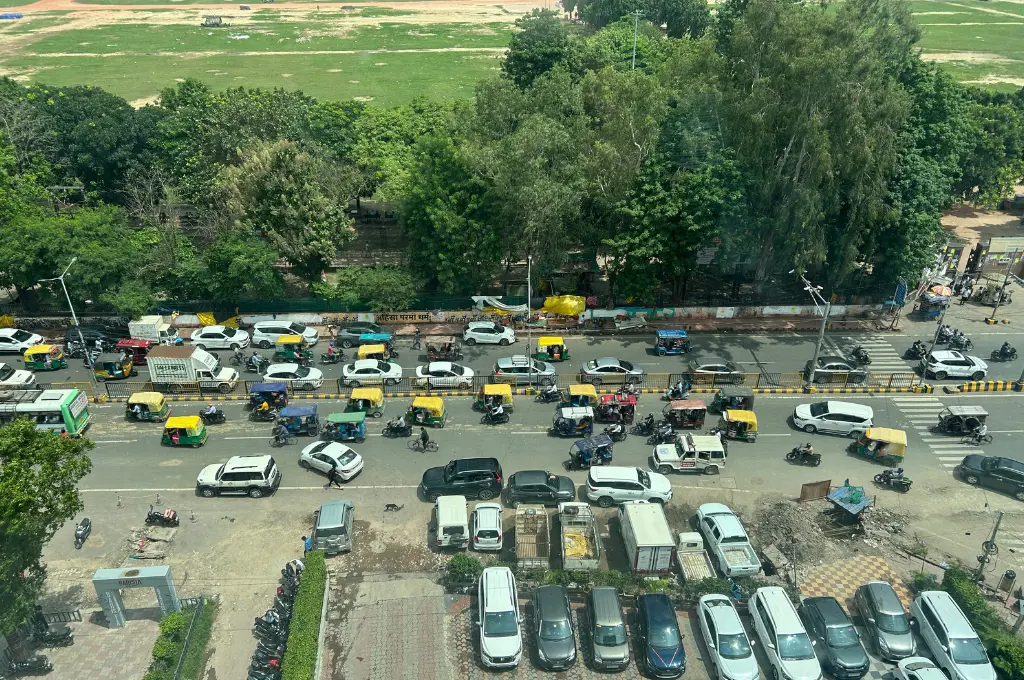
On the highway connecting the cities of Dharmanagar and Kailasahar in Tripura, roadkill is a common, unfortunate sight. Due to the state’s hilly terrain and dense vegetation cover, major roads cut through its forests. Moreover, settlements located near these roads, and along wildlife corridors and buffer zones, have often placed humans in contact, and in conflict, with wildlife in these areas. Over time, a new challenge has also emerged—that of stray animals.
According to the latest available data, which is the 2019 livestock census, the stray dog and cattle population in Tripura is placed at approximately 17,078 and 3,361 respectively. Abandonment and lack of proper care of domesticated animals, coupled with poor health facilities in case an animal falls sick or is injured, are major factors behind the rise in the number of strays.
Considering the geographical limitations and patterns of human settlement in Tripura, the majority of strays tend to cluster in and around towns and villages. Once abandoned, food and shelter are the prime reasons why these animals wander into residential areas and interfere with traffic movements. Across India, stray animals are disproportionately responsible for traffic accidents, with around 58 percent of all collisions attributed to stray dogs. In Tripura, while such singular cases of roadkill or accidents are a concern, a growing stray population without proper shelter and medical care also poses much wider risks. These include animal-to-human disease transmissions and outbreaks, as well as threats to the well-being and quality of life of animals that are confined to crowded urban areas and are largely dependent on humans for survival.

This makes proper rescue and rehabilitation of such animals even more important.
Rescue and rehabilitation as a matter of public health
The importance of rehabilitation is reflected in India’s animal welfare framework, which rests on the Prevention of Cruelty to Animals (PCA) Act, 1960, the Wildlife Protection Act, 1972, and more recent regulations such as the Animal Birth Control (ABC) Rules, 2023. These emphasise sterilisation, vaccination, humane treatment, and rehabilitation over culling. The Animal Welfare Board of India (AWBI) also provides overarching guidelines for the same. A 2025 order by the Supreme Court of India also mandates the setting up of ABC shelters, and mandatory vaccination and sterilisation procedures for stray dogs and cattle at the municipality level. In Tripura, the Animal Resources Development Department (ARDD) has aligned itself with the Supreme Court’s guidelines and announced the implementation of ABC rules in the state. A unit is already operational in the Hapania area in Agartala, and the department is evaluating the feasibility of setting up similar units in various panchayats and townships across the state.
Shelter and vaccination measures for strays are necessary not only for the safety and welfare of animals, but to also avoid major public health risks, such as zoonoses. Zoonotic outbreaks such as Ebola and bird flu trace their origins to strays and pets, which can act as hosts for virus and as nodes of transmission. The unrestricted and unmonitored presence of strays in human settlements presents a heightened risk of such outbreaks.
Dr Sandipan Sharma, a veterinary doctor practicing in Dharmanagar, says, “In my clinic, each year we handle numerous cases related to seasonal viral attacks on pets that lead to fatalities. But these viral vectors are always present in the environment, and unless we get to the root of the issue, this will repeat. During COVID-19 the problem of zoonoses started being taken seriously. People started realising that strays themselves are not the problem, but the issue is the lack of proper care and management. Vaccinating strays and maintaining a complete watch on zoonoses is absolutely critical from a public health perspective.”
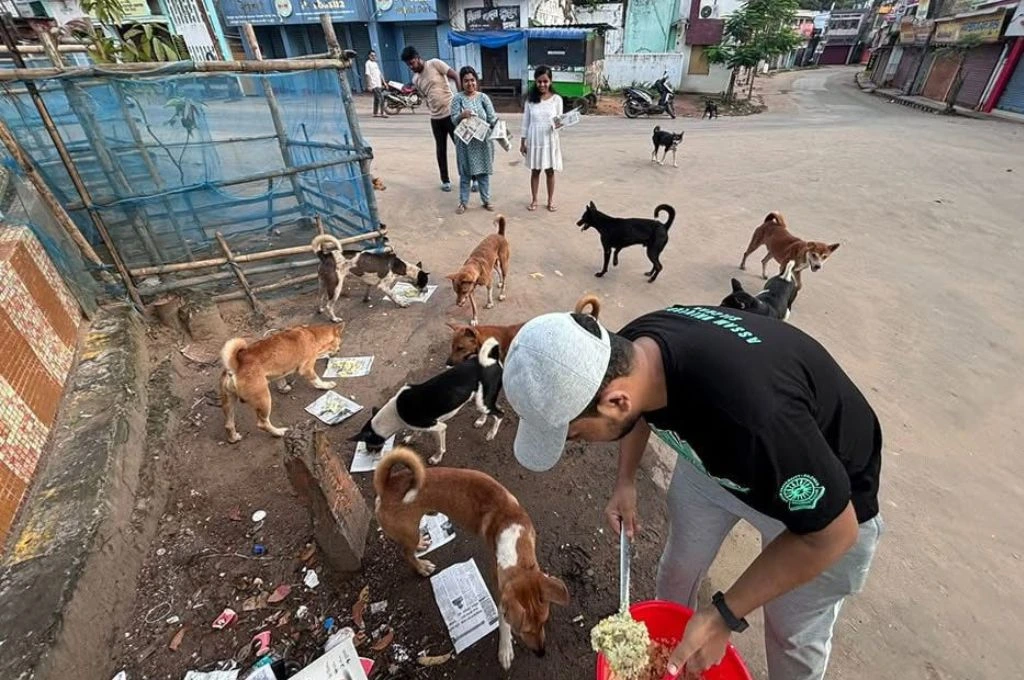
In different parts of the state, much of the work to implement animal care policies and measures, including the ARRD’s mandate and the ABC Rules, is being done by nonprofits and local-level administration. This includes providing food to strays and setting up free vaccination camps.

However, many of these organisations are operating with several challenges.
Animal welfare organisations lack adequate support
The AWBI provides financial assistance to recognised gaushalas (cow shelters), animal welfare organisations and nonprofits, and local government bodies under the Provision of Shelter Houses for Looking After the Animals scheme. It also provides the Regular Grant scheme to maintain animal shelters, purchase medicines and medical equipment, and to conduct veterinary camps. The AWBI has other provisions such as the Rescue Cattle Grant for animals rescued from illegal transportation or slaughterhouses. In addition, the Provision of Ambulance Services for Animals in Distress scheme provides funds for the purchase of suitable vehicles for transportation, rescue, and emergency services.
However, for many organisations in Tripura, this institutional support remains largely out of reach.
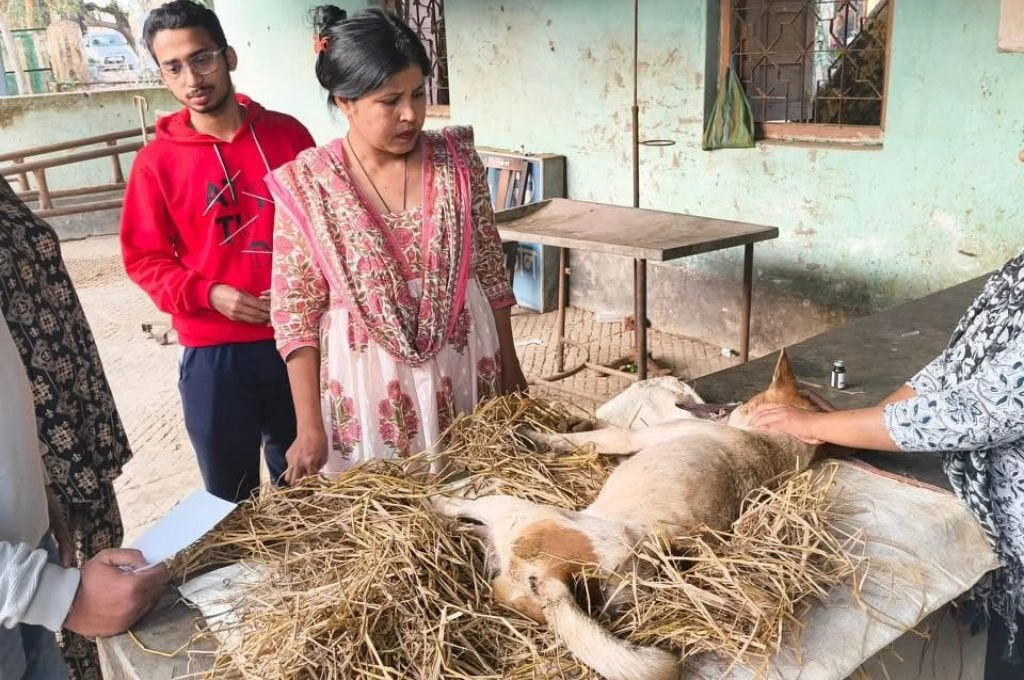
Better World, an animal welfare nonprofit, has been working on the rescue and rehabilitation of animals in and around North Tripura for several years. Banking on modest funds and crowdsourcing, the organisation conducts vaccinations and provides basic medical facilities for animals. While collaborations with the local veterinary hospital and doctors have helped to build a strong support base, structural issues remain.
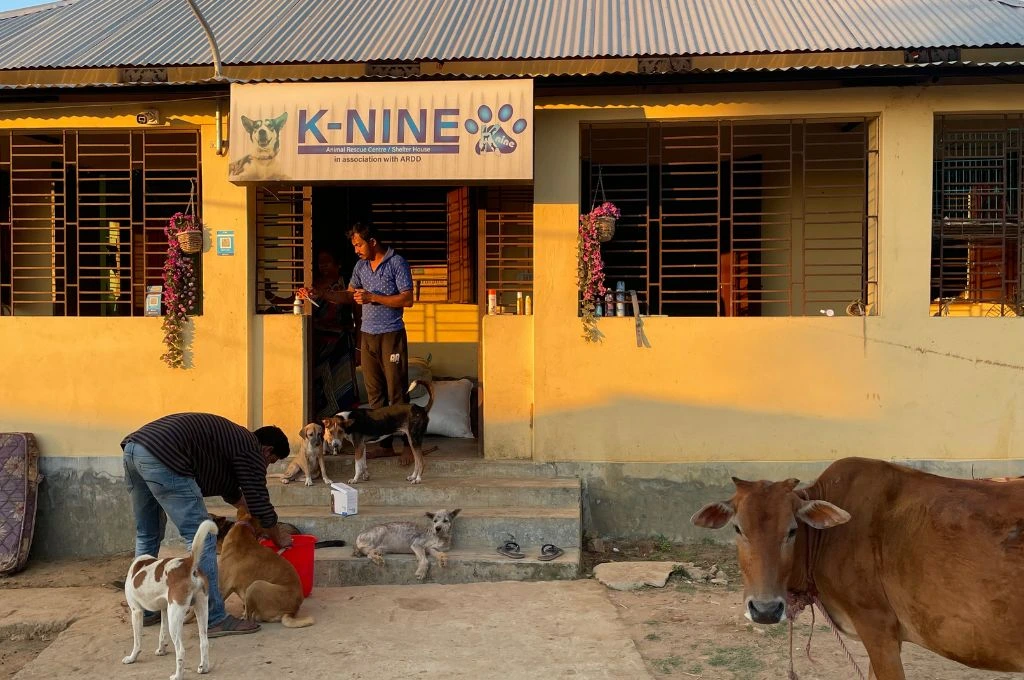
“We are entirely reliant on donations. Without a proper shelter or an active stray vaccination programme, it’s also hard to procure and stockpile medicines,” says Dr Mainak Das, a young medical professional and animal welfare worker at Better World. “We are severely understaffed and often haven’t been able to rescue animals simply due to the unavailability of volunteers. It’s heartbreaking, but this is our reality,” he adds. In Agartala in West Tripura, nonprofits such as Pawsome and K-Nine are similarly running animal welfare and rehabilitation programmes in and around the city. K-Nine was set up in 2017, at a time when animal welfare was still not acknowledged as a mainstream public health issue. Finding support during those early days was tough, recalls Sarbani, the organisation’s founder.
The chronic shortage of funding and infrastructure has made it difficult for animal welfare nonprofits to do their work in a sustainable way, and has instead led to irregular, and charity-dependent initiatives.
Nearly a decade later, problems remain. “We run a kennel-free shelter for rescued animals from all over Tripura and have been relentlessly working to ensure they get proper medical care and support,” says Sarbani. “We support around 40–50 animals at a time, but we have very limited space. Because of this, we often need to decline rescue, and rehabilitation calls simply because we’re saturated. For running our day-to-day operations, we need trained staff and enough space to accommodate animals. However, we currently receive little to no consistent support in terms of funds or food supplies. Managing everything on our own has become increasingly challenging.”
Importantly, she says that while people often reach out to K-Nine to rescue or admit animals, “the responsibility usually ends there. The ongoing care, including feeding, medical treatment, and rehabilitation, falls entirely on the organisation. And what’s more disheartening is the reluctance to adopt rescued animals in society. What do we do once our rescued animals are healed? Where do we send them?”
In Dharmanagar, North Tripura, volunteers run gaushalas and makeshift shelters to plug this gap between rescue and rehabilitation. However, the chronic shortage of funding and infrastructure has made it difficult for animal welfare nonprofits to do their work in a sustainable way, and has instead led to irregular, and charity-dependent initiatives.
Further, while better support is key, nonprofits argue that what is also needed is a fundamental behavioral reorientation among people.
The need for empathy and action
“We have been rescuing animals and providing them with medical help and rehabilitation support for several years now, and what strikes me even today is how many of our calls are from civilians who just want to see helpless animals being saved. We’ve had a couple of calls where people wanted us to rescue snakes too!” Mainak says.
However, as stray animals continue to move into inhabited areas without proper care, there are concerns for overall safety. On the one hand, animals are susceptible to vehicular accidents, and on the other, instances of dogs biting people have led to increasing tensions. Mainak adds, “We are rescuers, but unless there is a whole-of-society approach towards strays that’s rooted in empathy, we can only do so much.”
He emphasises longstanding traditions of care towards animals, particularly through religious and cultural institutions. “Look at Tripurasundari Temple for instance. Locals have fed and protected fishes and turtles for centuries, and the temple’s authorities and devotees also protect stray dogs and cats. Even in Dharmanagar we have been protecting fishes, turtles, and ducks in Kali Dighi (a lake adjacent to the Kali temple). There is empathy. We just need more steady support, more kindness from people and scientific approaches towards animal welfare.”
In practice, this requires collaborative efforts between the local administration and civil society organisations.
The demand for an inclusive policy framework
In the past, the ARRD had mandated reflective collars for strays, and the local administration had partnered with organisations such as Better World to implement this initiative. It prevented incidents of roadkill and highlighted the potential for better communication and coordination between the government and nonprofits. However, there’s a need for more sustained partnerships like these.
This also extends to access to funding and running day-to-day operations. Debojit Das from Better World says, “We know about grants and funds, but we haven’t been able to apply to any because of staffing shortages and a lack of administrative support.”
While comprehensive policies and regulations may exist at the national level, their implementation on the ground requires approaches that are in tune with context-specific challenges, funding support, and infrastructure.
Mainak adds, “There is very little scope for a proper shelter unless there is active support from policymakers. So even with a funding opportunity, securing support from policymakers and the public is tough, especially for something like animal welfare which is not considered a mainstream issue.”
“Our work would become much easier if we had a steady policy framework that keeps nonprofits, medical facilities and the government in a close loop. We would be able to generate manpower, scale our work, and secure funding easily if we had a clear idea of who-is-who for animal welfare instead of a complex bureaucratic maze. The timelines for grants are often far too uncertain for small organisations like [ours] who don’t have a large corpus to sustain themselves. Faster and easier grant timelines could be a lifesaver for us. We’re hopeful that policies in the near future will give animal welfare its rightful place,” Debojit notes.
For organisations such as K-Nine and Better World, animal welfare comes with its unique geographical and social challenges. While comprehensive policies and regulations may exist at the national level, their implementation on the ground requires approaches that are in tune with context-specific challenges, funding support, and infrastructure. Ensuring basic freedoms for stray animals—such as freedom from hunger and thirst, freedom from pain or injury, and freedom from fear and distress—could be a start to long-term sustainability in animal welfare. Local efforts to build shelters and voluntary rescue programmes are promising, and with administrative collaboration, could provide holistic support to stray animals.
—
Know more
- Learn how expanding urbanisation and infrastructure projects fragment habitats and ecosystems.
- Read why India’s disaster planning policies need to include animals.