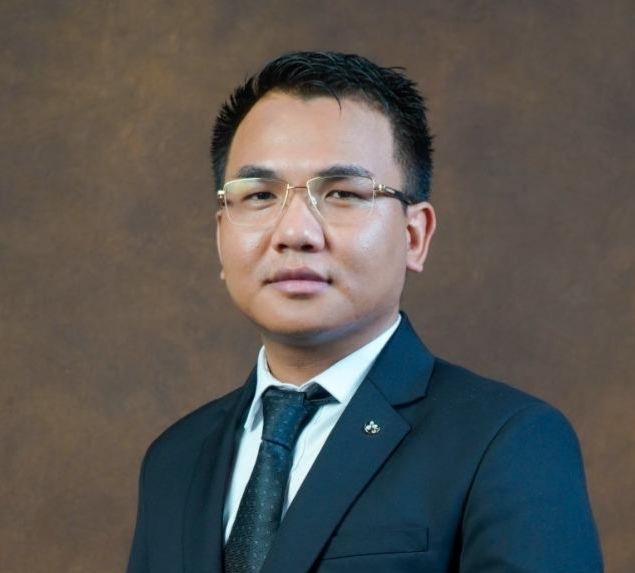
Before I started Zo Inspiration Foundation, a nonprofit in Mizoram, in 2020, I used to narrate news on social media portals such as YouTube, Instagram, and Facebook. That year, I reported about the collapse of a quarry in Aizawl that led to a young person passing away. After a picture of his broken house went viral, my friends and other people reached out to me to donate money, thinking that I was trying to raise funds for the affected people. This showed me that I could in fact connect people with people and solve problems for those in need.
A large part of our work at Zo Inspiration now is identifying individuals within the state who require financial aid for health-related issues and running donation campaigns for them. Additionally, we have parallel programmes that focus on financial assistance, housing support, education, and livelihood opportunities. In all these programmes, we include the cost of our operational expenses such as staff salaries and administrative finances, which keeps us functional as an organisation.
Our organisation is entirely people-funded. Apart from our operational costs, their money also funds a large part of the healthcare needs of the people we are helping. We have around 80 recurring donors who donate anywhere between INR 1,000 and INR 10,000 monthly, sometimes even going beyond these numbers.
When you are raising money for people’s medical health, no amount is big or small. Here is how our process works:
Funding for the people, by the people
1. Finding people in need
Our first step is to identify people who need help. Most cases reach the organisation through community networks, our helpline numbers, and people personally visiting our office. Sometimes people hesitate to reach us directly so they send their requests through neighbours, friends, community-based organisations such as the Young Mizo Association (YMA), and village councils from different villages. Additionally, the team actively searches for people who need assistance by visiting hospital wards and speaking to patients who might be struggling to afford treatment.
2. Verifying the claims
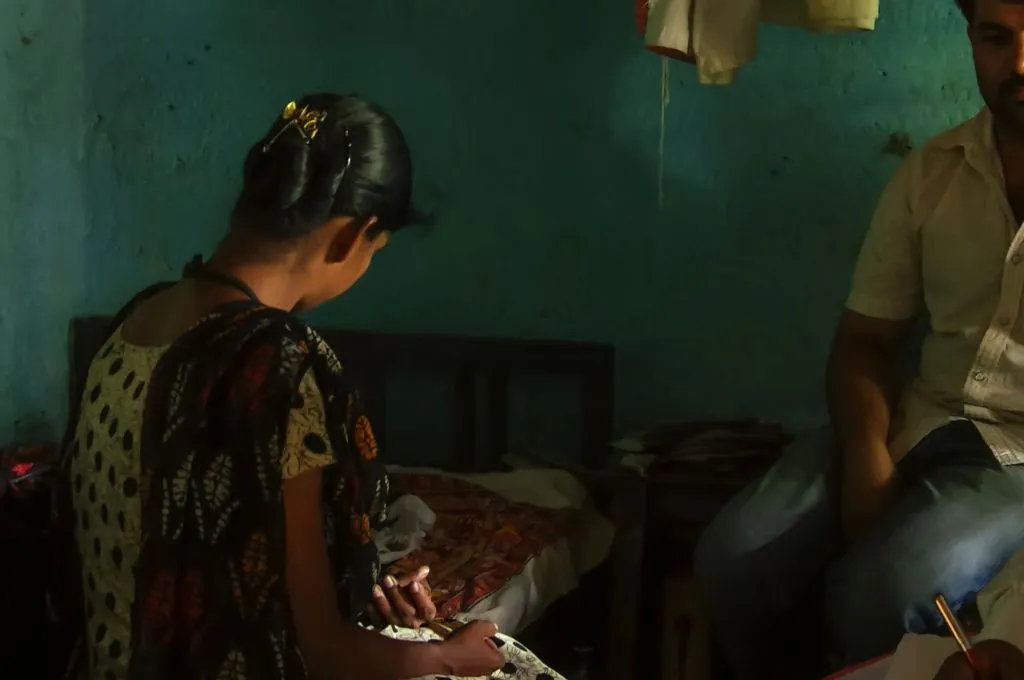
Once a case is reported, we verify their needs before raising funds. Our field staff visits the person to confirm their identity and circumstances. They check documents such as Aadhaar cards, speak with family members, and collect information about the person’s health condition, income level, and living situation. We also contact the village councils and local community organisations like YMA and Young Lai Association (YLA) to authenticate the information. Once the verification is done, we create profiles for the affected people and our internal team assesses whether they qualify for aid.
3. Planning a crowdfunding campaign
When a person requires a large amount, we open a donation appeal under our charity programme on behalf of patients who are facing severe or life-threatening illnesses but are unable to afford medical treatment. The finance team records the existing balance with the organisation before starting the campaign so that we are aware of how much we already have and the amount that we need to crowdfund. We post the appeal on social media at a fixed time, usually in the evening when people are done with their day jobs, with the details of the condition of the patient. Once the appeal is posted, donations begin to arrive from those who wish to help. The appeal typically stays open for at least two to three days so that people have enough time to notice it and donate. We update the public about the deadline and the amount collected so that they can pitch in to meet the target.
4. Covering additional expenses
The finance team keeps a separate cash book for each person and carefully records every expense. If the person needs money for hospital bills or treatment, we release the amount according to that need to ensure that the money raised is used strictly for the purpose it was intended for.
If a patient recovers and some of the donated money remains, we consult with the family and decide how the remaining funds can be used in ways that will improve their well-being. For example, the money can be spent on buying the family a refrigerator that will improve their quality of life and indirectly impact their health outcomes. Local community organisations such as the YMA help to monitor fund utilisation.
Building trust within the community
For an organisation running on retail fundraising, it is very important to build and sustain donors’ trust in us. We do so in the following ways:
1. Transparency with funding
When we collect donations, we make sure to share updates on what we have done with the funds so that the donors know that their money has gone to the cause that they had supported. This practice demonstrates to donors that we hold ourselves accountable to them and that they have the right to see the outcomes of their emotional and financial investment.
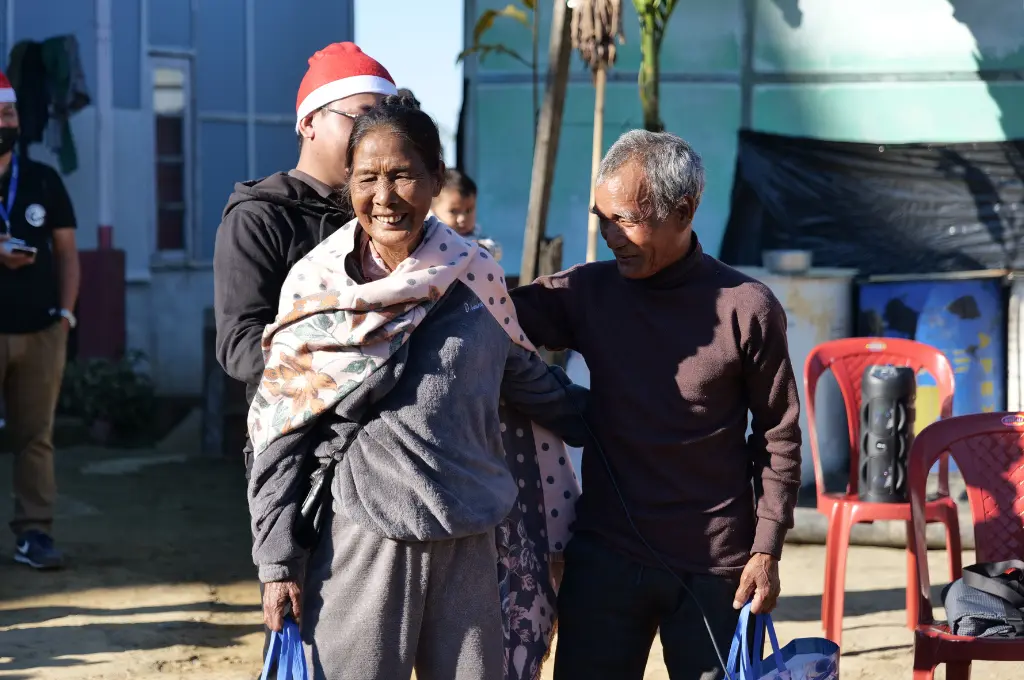
Our responsibility does not end at collecting and disbursing the funds. Since we also travel with community members and help them to navigate healthcare institutions, we also capture their progress and send regular updates to our donors. This includes updates such as ‘the patient is in the hospital’, ‘they are getting surgery’, how they are progressing, etc. If a patient is travelling to another city to receive medication, we take their pictures. This frequent communication helps to create a relationship between the donor and the receiver; the donor is connected with the receiver through this very personal narrative. It makes them feel that they are helping one of their own.
We share these updates through our ‘Zo Inspiration Family’ WhatsApp and Instagram groups. Occasionally, we share daily inspirational quotes even when we do not have work updates so that these groups remain active.
2. Cultivating a non-transactional relationship
The donor-nonprofit relationship should not be purely transactional. For long-term partnerships, it is important to invest in the relationship and make the donor feel that you care for them beyond their money. We do our bit by mailing greeting cards to the donors during Christmas and trying to maintain a friendly relationship with them. We send them invites whenever we host events. If sometimes through social media, we come to know that a donor is in Aizawl, we drop them a text and meet them in person if they have time.
We see these as additional but important responsibilities that we must continue to perform. After all, we are a connecting bridge in this healthcare model where people step up for others’ needs. Care, transparency, and clear communication are crucial to sustaining this model.
As told to Malsawmdawngliani Tara, IDR Northeast Fellow 2025–26.
–
Know more
- Learn why marginalised communities might struggle with medical crowdfunding.
- Read this guide for digital crowdfunding for nonprofits.