Recipe books: An unlikely trust building tool in Himachal
 Kangra district, Himachal Pradesh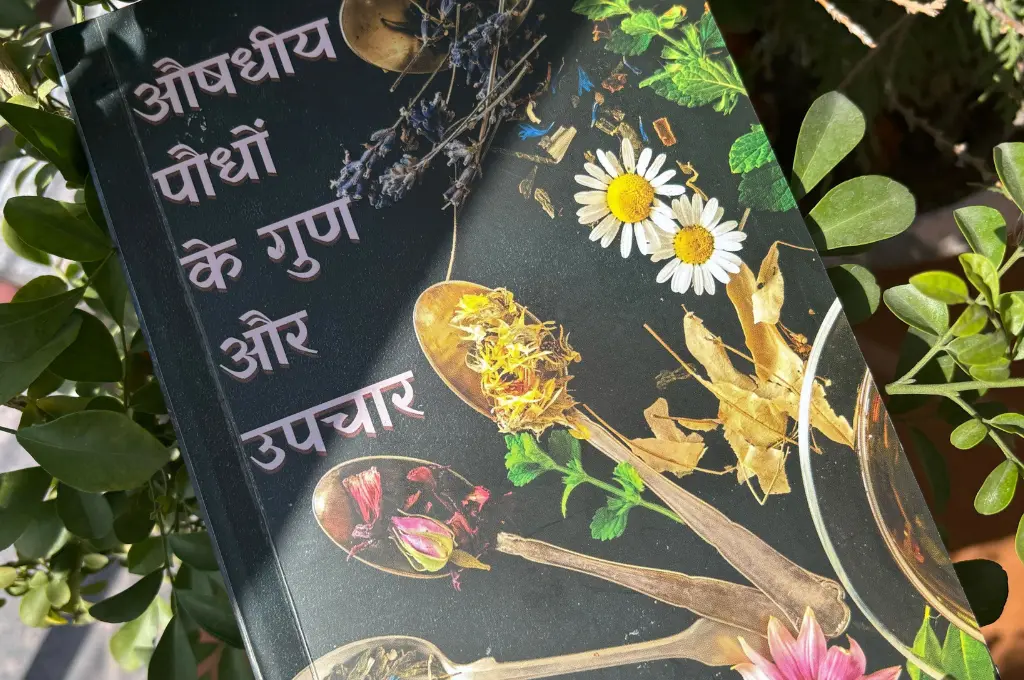
It was in the early 2000s that we set up the Himachal office for Jagori in Rait block, Kangra district. It was a different time, and there weren’t many organisations working in the area. The local communities were skeptical of nonprofits and fieldworkers. We were a group of young women, between the ages of 18 and 22, tasked with conducting surveys and building relationships with community members.
As anticipated, we encountered our first challenge soon enough. People had grown wary of government workers who would gather information about the village and its residents and then disappear without providing any resolution for the concerns raised by them. As a result, we struggled to find people who’d be willing to speak to us. Our challenges were exacerbated by the fact that people seldom took young women seriously.
This is when we decided that the elderly might be an easier demographic to target. We started sitting with the elders of the village and listening to their stories.
They’d complain about a range of things, the most striking of which was how people now visit hospitals for every ailment. They mentioned that in their youth they would rely on home remedies to treat most illnesses, such as common cold, stomach issues, and fever. They’d use local plants and flowers to craft traditional treatments. But over time, these recipes disappeared from many kitchens in Himachal.
We decided to collect these traditional remedies from elders across the village, and compiled them into a recipe book. One of the recipes highlights how a juice made from kalmegh (green chiretta) leaves can help contain excessive bleeding during menstruation. Another one outlines the benefits of baheda (terminalia bellirica); chewing the leaves of the fruit helps with cough.
We started distributing this recipe book across the village, and it helped us build trust within the community. People gradually understood that we were sincere, which made them more open to speaking to us and attending meetings. We realised it was easier to talk to the women if we went to their homes in the evening once they were done with the day’s chores. We’d often oil their hair or offer to cut and chop vegetables while we spoke to them. Over time, we established our credibility in the community.
Many new nonprofits have since started working in the region, but trust building remains a critical first step. For us, the practices we have adopted work whenever we expand into a new block.
Asha has been working with Jagori for 25 years in the rural areas of Himachal Pradesh.
—
Know more: Learn how snakes helped build an environmental campaign in Mizoram.
Do more: Connect with the author at asha@jagorirural.org to learn more about and support her work.

 North West Delhi district, Delhi