ઓળખ પર તાળું: વિચરતી જાતિઓને સ્થાયી થવા મજબૂર કરવામાં આવે ત્યારે
 નૈનિતાલ, ઉત્તરાખંડ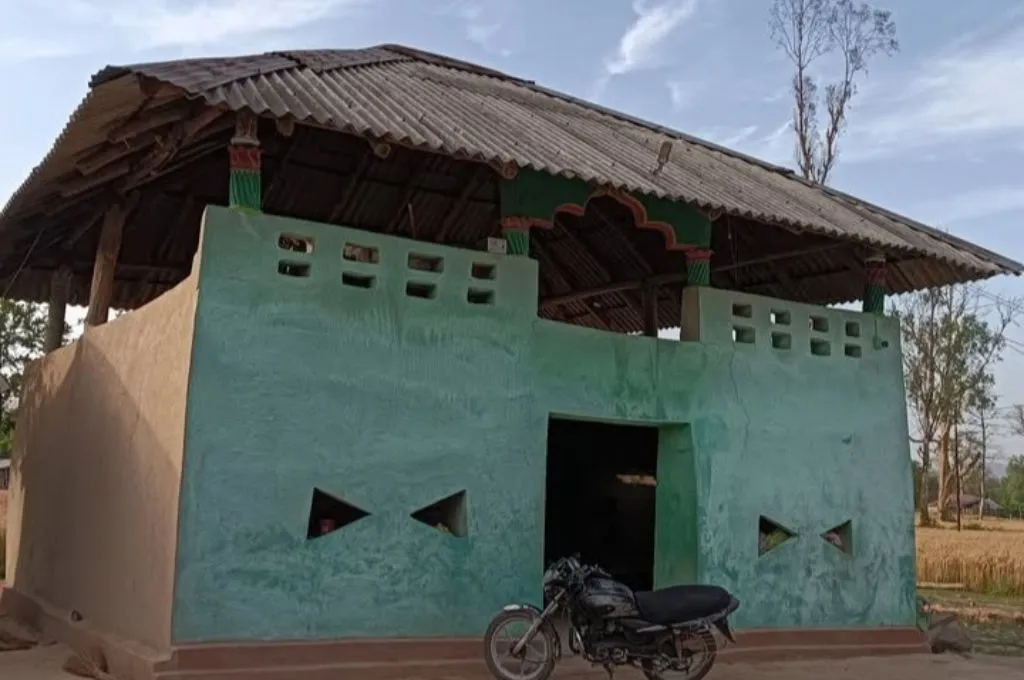
ઉત્તરાખંડના નૈનિતાલ જિલ્લાના ટોમડિયા ખત્તા ગામમાં દરવાજા વિનાનું એક ઘર ઊભું છે. આ ઘરમાં દિવાલો છે, ત્રિકોણાકાર બારીઓ છે અને વચ્ચે ખુલ્લું આંગણું છે, પરંતુ અહીં નથી કોઈ દરવાજો કે નથી કોઈ તાળું. અહીં રહેતા વન ગુજ્જર સમુદાય માટે આ કોઈ ગફલત કે બેદરકારી નથી પણ તેમને માટે આ એક જીવનશૈલી છે.
વન ગુજ્જર સમુદાય એક પશુપાલક સમુદાય છે, અને તેમની ઓળખ ગોજરી ભેંસોના ઉછેરની પરંપરાગત પ્રથા સાથે ઊંડાણપૂર્વક જોડાયેલી છે. આ સમુદાયનું નામ પશુધન અને વન્ય જીવન સાથેનો તેમનો આ લાંબો અને ગાઢ સંબંધ દર્શાવે છે. આ સમુદાયની મોટાભાગની વસ્તી ઉત્તરાખંડમાં રહે છે, હિમાચલ પ્રદેશ, ઉત્તર પ્રદેશ અને જમ્મુ અને કાશ્મીરમાં પણ તેમની થોડી વસ્તી છે. ઉત્તરાખંડમાં આ સમુદાય મુખ્યત્વે જીમ કોર્બેટ અને રાજાજી રાષ્ટ્રીય ઉદ્યાનોના બફર ઝોનમાં અને તેની આસપાસ રહે છે. આ સમુદાય પોતાની ભેંસો સાથે મોસમી સ્થળાંતર કરે છે. તેઓ ઘાસચારા અને પાણીની શોધમાં હિમાલયની તળેટીના જંગલોમાં સતત વિચરતારહે છે, તેઓ પેઢીઓથી અહીં રહેતા આવ્યા છે.
50 વર્ષના સફી ભાઈ કહે છે, “મુક્તપણે વિચરતા રહેવું અને અમારા પશુઓને ચરાવવા એ જ અમારી ઓળખ છે. અમારા ઘરોને ક્યારેય દરવાજા હોતા નથી. દરવાજો લગાવવાનો અર્થ એક જગ્યાએ કાયમ માટે સ્થાયી થવું એવો થાય છે.”
વન ગુજ્જરો માટે પેઢીઓથી દરવાજા વિનાનું ઘર એ ફક્ત એક સ્થાપત્યશૈલી જ નહીં પણ એક ફિલસૂફી પણ હતી. દરવાજા વિનાનું ઘર એટલે ગતિવિધિઓમાં અવરોધો વિનાનું જીવન. આજે પરિવારો સિમેન્ટથી પાકા ઘરો બનાવે છે ત્યારે હજી પણ આ પરંપરાગત ડિઝાઇન જોઈ શકાય છે. પરંતુ હવે પરિસ્થતિ બદલાવા લાગી છે.
45 વર્ષના આસિફ ભાઈ કહે છે, “જ્યારથી અમારી આસપાસ જીમ કોર્બેટની સીમાઓ કડક થઈ ગઈ છે ત્યારથી અમે હવે પહેલાની જેમ જંગલોમાં મુક્તપણે પ્રવેશી શકતા નથી. ઘણા રસ્તાઓ બદલાઈ ગયા છે, અને એ સાથે જ અમારું જીવન પણ બદલાઈ ગયું છે.” સંરક્ષણના બીજા પગલાંની સાથે સાથે જીમ કોર્બેટની રાષ્ટ્રીય ઉદ્યાન તરીકેની સ્થાપનાને કારણે વન ગુજ્જરોની પરંપરાગત ચરાણ વિસ્તારોની પહોંચ મર્યાદિત થઈ ગઈ છે.
પરિણામે તેમના સ્થળાંતરના માર્ગો ખોરવાઈ ગયા છે, આસિફ સમજાવે છે કે ઘણા પરિવારો ગામડાઓમાં સ્થાયી થવા અને ખેતી અથવા બીજી સ્થાયી આજીવિકા અપનાવવા મજબૂર થયા છે. યુવા પેઢી આ પરિવર્તનને પોતાની રીતે આગળ ધપાવી રહી છે. એક સમયે પશુપાલક તરીકેના જીવનમાં જેનું ખાસ કોઈ સ્થાન નહોતું તે શિક્ષણ હવે વધુને વધુ મૂલ્યવાન બની રહ્યું છે. સમુદાયના કેટલાક યુવા સભ્યો શાળાકીય અને ઉચ્ચ શિક્ષણ મેળવી રહ્યા છે. નોંધપાત્ર સંખ્યામાં યુવાનો કાયદાનો અભ્યાસ કરી રહ્યા છે. વન ગુજ્જર ટ્રાઈબલ યુવા સંગઠનના સ્થાપક મોહમ્મદ મીર હમઝા તેમાંથી એક છે. “2017 માં વન વિભાગ દ્વારા મારા ગામ સહિત ઘણા ગામોને ગેરકાયદેસર રીતે ખાલી કરાવવામાં આવ્યા હતા. આ સમગ્ર પ્રક્રિયા અને સંઘર્ષ દરમિયાન અમને એક વાત સ્પષ્ટ સમજાઈ ગઈ કે આપણે આપણો પક્ષ મજબૂત રીતે રજૂ કરી શકીએ એ માટે કાયદો સારી રીતે સમજવો મહત્વપૂર્ણ છે. મેં કાયદાનો અભ્યાસ કરવાનું નક્કી કર્યું જેથી લોકોની પરંપરાગત પ્રણાલીઓ અને અધિકારોને માન્યતા મળી શકે, અને સમુદાયો પોતાનો અવાજ ઉઠાવી શકે અને પોતાના અધિકારોનો દાવો કરી શકે.”
આ સમુદાયની 16 વર્ષની મેહરુનિસા હજી પણ પોતાને માટેના વિકલ્પો પર વિચાર કરી રહી છે. “મને ગાવાનું ખૂબ ગમે છે. જો મને તક મળે તો હું ચોક્કસપણે ગાયિકા બનવા માગુ છું. મને ખબર નથી કે પશુપાલનની પ્રથામાં કોઈ ભવિષ્ય છે કે નહીં.”
આ પરિવર્તનો પરસ્પર સંકળાયેલા અનેક પડકારો તરફ ધ્યાન દોરે છે, જે આ સમુદાય માટે તેમની પરંપરાગત ઓળખ અને પ્રથાઓ અનુસાર જીવવાનું મુશ્કેલ બનાવી રહ્યા છે. જંગલ પરના વધતા જતા પ્રતિબંધો, જમીનની સાથે જોડાયેલી અનિશ્ચિતતાઓ અને બદલાતી આજીવિકા સાથે બાકી રહેલા દરવાજા વિનાના ઘરો—તેમનું એક મહત્વપૂર્ણ સાંસ્કૃતિક પ્રતીક—પણ કદાચ લુપ્ત થઈ જશે.
તેમ છતાં, રાજાજી રાષ્ટ્રીય ઉદ્યાનમાં 30 વર્ષના નઝાકત ચેચી હજી આજે પણ છાનમાં—પોતાના વડીલો પાસેથી વારસામાં મળેલા ઘાસ છાયેલા ઘરમાં, જ્યાં લાકડાના દરેકેદરેક ટુકડાને, દરેક બીમને તેનું પોતાનું એક ચોક્ક્સ નામ છે તેમાં—રહે છે. નઝાકત માટે છાન બનાવવું અને તેની જાળવણી કરવી એ શ્રદ્ધાનો વિષય છે. અને એ ઘર હજી આજે પણ દરવાજા વિના, બારીઓ વિના ઊભું છે. તેઓ કહે છે, “આજ સુધી ક્યારેય અમે વન્યજીવો સાથે કોઈ સંઘર્ષમાં આવ્યા નથી. આ પ્રાણીઓ સાથેના અમારા સંબંધનો સૌથી મોટો પુરાવો છે. અમને અમારા છાન પર ગર્વ છે. જો કોઈક દિવસ અમને વન અધિનિયમો હેઠળ માન્યતા મળશે તો એ અમારે માટે સૌથી કિંમતી વસ્તુ હશે.”
આસ્થા ચૌધરી ઉત્તર પ્રદેશમાં માનવ અને વન્યજીવોની પારસ્પરિક અસર અભ્યાસ કરી રહેલા એક રિસર્ચ સ્કોલર છે. તેઓ કોએક્ઝિસ્ટન્સ કન્સોર્ટિયમ સાથે સંકળાયેલા છે.
આ લેખ અંગ્રેજીમાંથી અનુવાદિત કરવામાં આવેલ છે. લેખનો ગુજરાતી અનુવાદ મૈત્રેયી યાજ્ઞિક દ્વારા કરવામાં આવેલ છે.
—
વધુ જાણો: વન અધિકાર કાયદા અને ભારતના વનવાસી સમુદાયો પર તેની અસર વિશે વધુ જાણો.
વધુ કરો: લેખકના કામ વિષે વધુ જાણવા અને તેમના કામને તમારું સમર્થન આપવા asthachaudhary96@gmail.com પર તેમનો સંપર્ક સાધો.