Our village school in Nagaland was assigned a retired schoolteacher
 Kiphire, Nagaland
The children in my village of Khongka have been waiting for a schoolteacher for years.
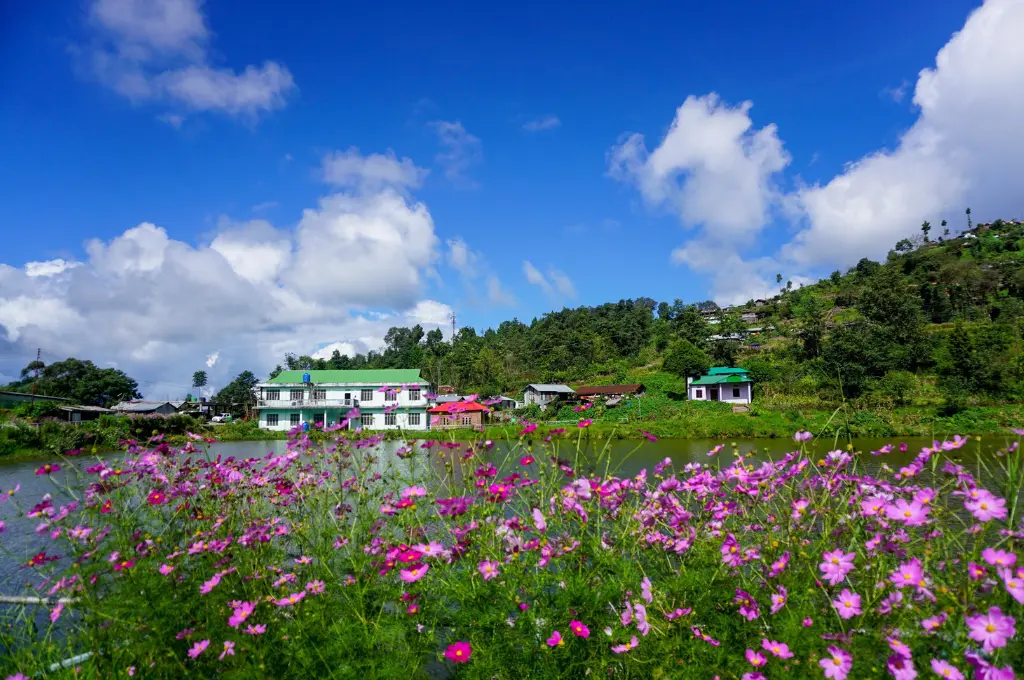
Located just a few kilometres from the Indo-Myanmar border, our village is set in one of the remotest parts of Nagaland. We have one government primary school (GPS) here, with classes up to standard 4.
Despite being far away from services that may be more accessible in other parts of the state, our local community has been trying to ensure that their children receive good education.
Initially, the government only appointed one teacher for our local school, and he has been here for six to seven years. Over the years, we have written letters to the block- and district-level authorities asking them to send teachers, but no action has been taken. They either ask for time or say that there is a shortage of teachers across the state.
Finally, five years ago, our village council decided to appoint two young people from our community to teach in the school. They started paying them a monthly salary of INR 9,000–10,000. With their support, the students excelled.
In the annual exams held for class 4 students, children from Khongka have been among the top 10 scorers across the Pungro subdivision. These exams qualify students for the primary school leaving certificate (PSLC) needed to pursue further education.
With 78 children registered in 2025, Khongka’s student enrolment level is also among the highest in Kiphire district.
Our teachers were motivated to work with the students, and the expectation was that if we present strong results, the government might take notice and offer us the support we need. The Khongka Students’ Union also wrote to the government, asking them to send one or two teachers.
In February 2025, a notification for teacher appointments was released and we found that a teacher had been posted to our school. We waited for almost three months, but no one came.
Finally, our village council tracked down the teacher’s phone number and gave him a call. The teacher said, “I retired in August 2024,” nearly six months before the notification announcing his posting to Khongka had been released. Moreover, we learned that the retired teacher had been transferred in place of an active-duty teacher who was originally posted to Khongka, but then sent elsewhere.
We wrote to the Department of School Education, and they asked for time to arrange another teacher. We have still not received a response, which has been discouraging for my community.
In the meantime, the lone schoolteacher and the two people from our village continue to teach the children. While government schools do not charge fees from children, our village council has been collecting INR 250 each month from students’ families to be able to cover a basic salary for the two youth.
At the same time, we also worry about the future of our children once they pass class 4. The nearest city where children can pursue higher education is Pungro, which is located 100 kilometres away.
At one point, the government had promised that they would upgrade our school and extend classes beyond the primary level, but they went back on this decision. While these developments have been demotivating and have made us weary of government support, we remain committed to ensuring that our children study well here in Khongka.
N Apong is the chief functionary of the International Border Area Peoples’ Welfare Organisation (IBAPWO) and is based in Khongka.
—
Know more: Read how children in flood-prone areas of rural Assam are learning without anganwadis.
Do more: Connect with the author at nuthruapong@gmail.com to learn more about and support his work.