Freelance journalists in India talk about the cost of covering rights-based issues without a newsroom, or a safety net, behind them.

2 min read
This is the tenth article in a 19-part series produced in collaboration with The Wellbeing Project. A three-year initiative supported by the Shibulal Family Philanthropic Initiative and EdelGive Foundation, it will explore the pathways and challenges to individual and organisational well-being through contributions from funders, practitioners, leaders, and researchers.

View the entire series here.


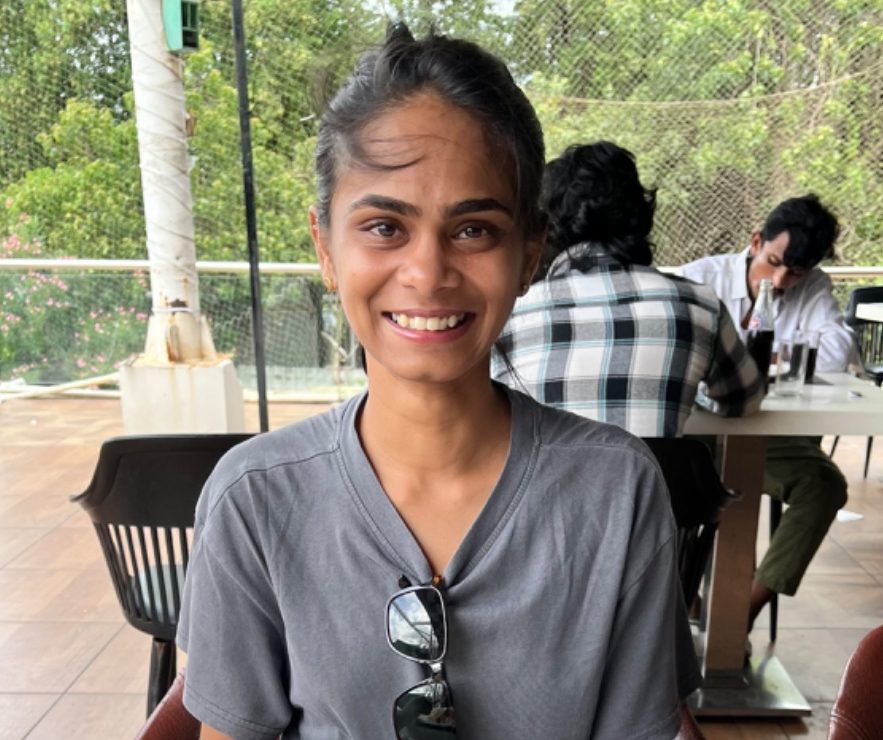
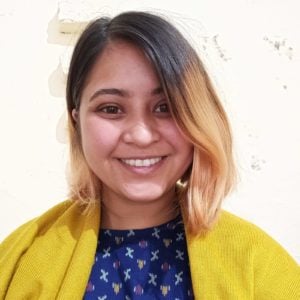
Almaas Masood and Swati Thapa are independent journalists reporting from India’s coastlines and hill states on labour, gender, migration, and the environment. Their work comes with a cost that rarely gets talked about, one that most newsrooms in India aren’t set up for: financial precarity, field risk, online harassment, and little to no institutional support.

Watch this video where they talk about the toll that reporting takes on their mental health, how their own identities shape the way their work and credibility are received, and what kind of support actually exists for freelance journalists like them.

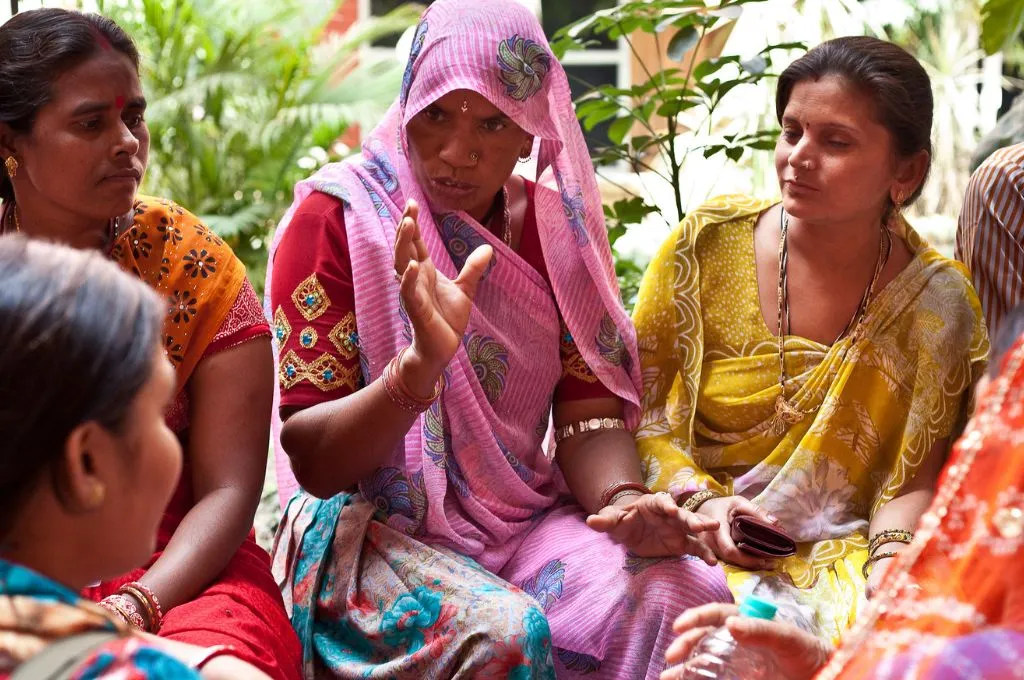
Feature image courtesy: Video Volunteers / CC BY

What is IDR Answers Page Banner

Know more

  • Read the DART Center for Journalism and Trauma’s guide on self-care for journalists.
  • Listen to why well-being in journalism often goes unseen.

donate banner
We want IDR to be as much yours as it is ours. Tell us what you want to read.
ABOUT THE AUTHORS
Almaas Masood-Image
Almaas Masood

Almaas Masood is a journalist, photographer, and field producer covering people and places shaped by economic, environmental, and technological change.

Swati Thapa-Image
Swati Thapa

Swati Thapa is an independent journalist based in Uttarakhand. Her in-depth reporting explores the pervasive challenges surrounding gender dynamics and human rights. She covers critical issues such as health, gender, climate change, the environment, and rural life in India. Swati’s work has appeared in publications like Nature, Mongabay, Migration Story, Dialogue Earth, BehanBox, and Feminism in India.

COMMENTS
READ NEXT