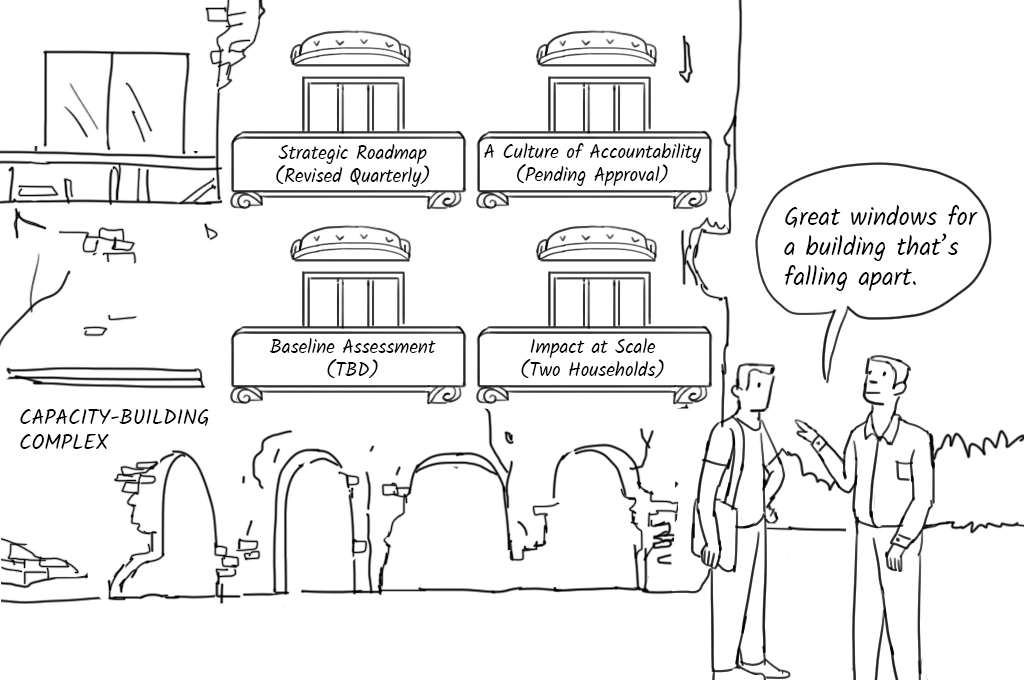
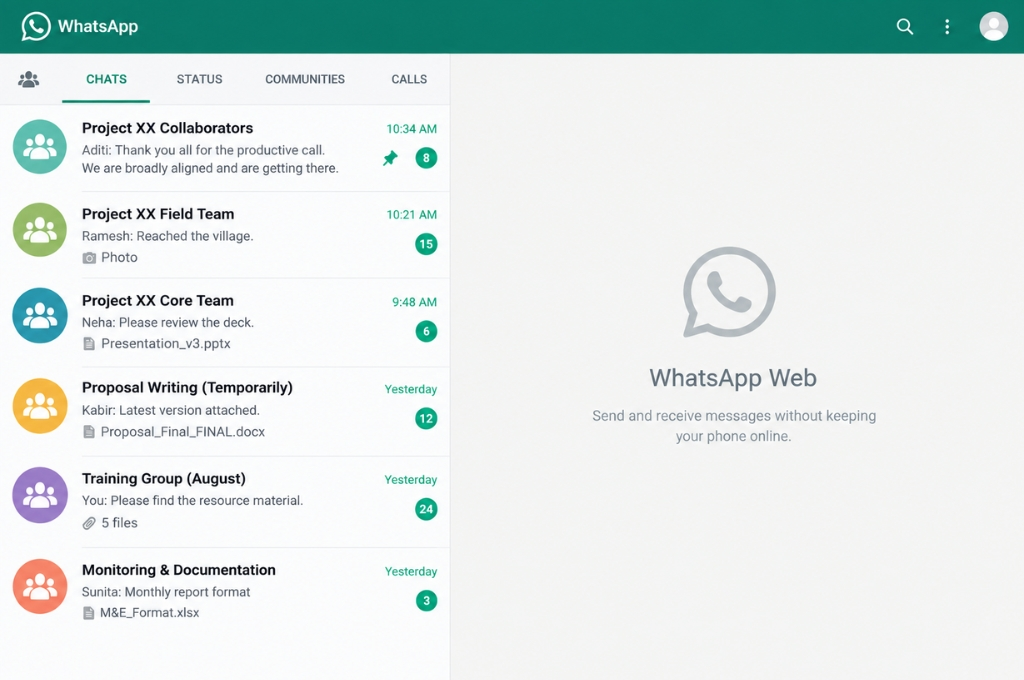
The social sector has many personalities. The idealistic. The chaotic. The deeply, sometimes alarmingly, committed. Over time, you meet these personalities in meeting rooms that run 40 minutes over, in e-mail threads that should have been a two-line message, and in pilot projects that have been ‘bas abhi thode time’ away from scale for approximately four years. You recognise them before their names even appear on the thread, a kind of sixth sense, developed through suffering and shared Google Docs.
This article is part 2 of your field guide to these familiar figures.
1. The M&E enthusiast

If it cannot be measured, it did not happen. If it can be measured, it must be reported quarterly. In four formats. Secretly holds the whole programme together. Nobody says this enough.

2. The whisperer

Knows exactly whom to call for what. Across organisations, districts, and government departments, and that one helpful person buried three levels deep in bureaucracy. You do not question their network. You forward the problem and wait, gratefully. Has never once explained how they know everyone. You have stopped asking.
3. The field visit enthusiast

Visits the field for half a day. Returns with photos, handwritten notes, and an air of profound understanding. Is genuinely moved by the experience. Declares the problem essentially solved somewhere on the drive back. The solution, though, does surface a few months later.
4. The visionary without a calendar

Discovers the budget exists approximately at the end of the financial year. Every conversation with them is thrilling. Every project plan they touch needs to be rebuilt from scratch. The vision is real. The Gantt chart is a casualty.
5. The credit sharer (in theory)

Believes deeply in collaboration. Uses ‘we’ generously and warmly in meetings and planning calls. In presentations, the ‘we’ becomes somewhat narrower. The acknowledgements slide is short. Not malicious. Just forgetful in a very specific, very directional way.
Acknowledgement: This article was inspired by this post by WokeOnPaper, which was published on July 19, 2025.
Read part I here.