A bus takes primary healthcare to rural Mizoram
 Mamit, Mizoram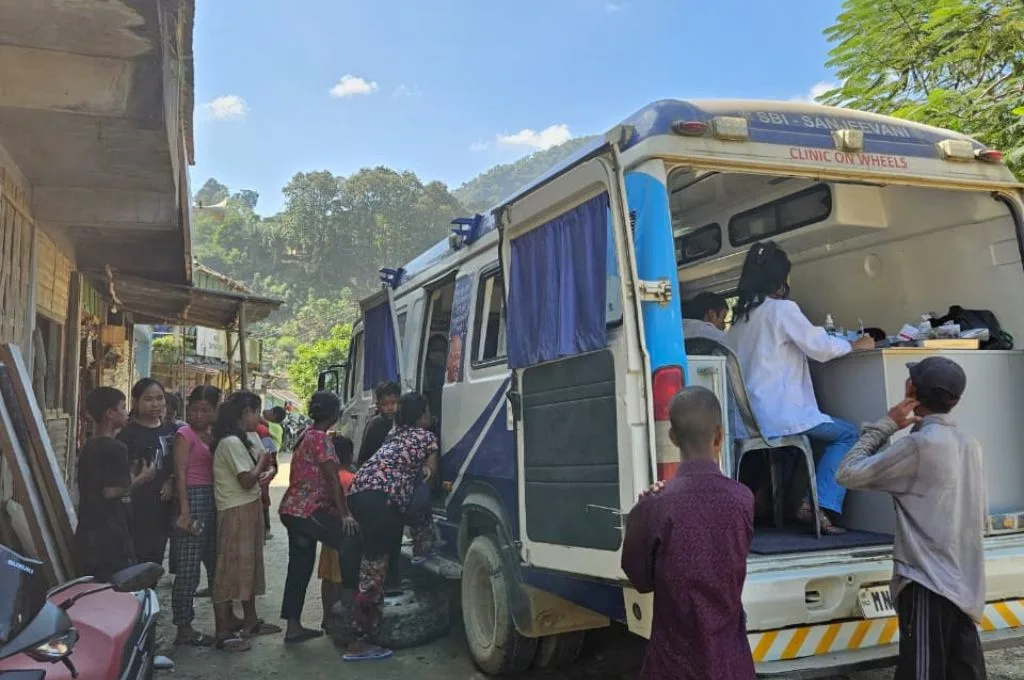
In the hilly and difficult terrain of Mizoram’s Mamit district where winding roads connect scattered villages, healthcare is often inaccessible.
I am a doctor and I work with the medical team at Goodwill Foundation, which includes a nurse, a laboratory technician, and an operator. We have housed a mobile medical unit inside a large bus, which we take around the villages in Mamit where there is no healthcare facility nearby.
The bus is equipped to provide basic healthcare services. Inside the vehicle is a laboratory, enabling on-the-spot testing for conditions such as malaria, typhoid, scrub typhus, urinary tract infections, and other common illnesses. The most frequent diagnosis, however, is for diabetes and hypertension.
We travel around 20 villages in Mamit from Monday to Friday, covering one or two villages every day. These villages are characterised by dispersed settlements, which makes disease identification a difficult task. It helps that we have hired locals who know the residents well, understand their health concerns, and have experience in navigating the terrain.
The residents also hesitate to speak with outsiders, but we solved this issue by building a relationship with the village councils. Before each visit, we coordinate with the council that then informs the people about our visit through a microphone. This ensures that people know when the medical unit will arrive and how they can seek consultations and treatment.
There are some logistical challenges that we have solved, but there are others we don’t yet have answers to. Our medical equipment depends on electricity. Many villages face frequent power cuts or have no electricity altogether. To ensure uninterrupted service, we carry our own generator. This becomes tough in the hilly areas where there are narrow roads that our bus cannot traverse, especially during the long monsoon seasons with frequent landslides. On the unpavedroads, our vehicles often get stuck in the mud. These conditions disrupt regular visits, reduce the number of villages that can be served, increase fuel and maintenance costs, and make emergency referrals more difficult.
People volunteer their trucks and tractors to pull out the bus when we get stuck. If we’re unable to travel further or go back to our homes on a particularly bad day, the village council arranges for our food and shelter at their centre.
We feel guilty when we have to cancel the visits during extreme weather, which leaves the villagers dejected because usually they would have already gathered at the community hall.
Dr Lalrinchhani works with Goodwill Foundation as a medical officer.
As told to Malsawmdawngliani Tara, IDR Northeast Fellow 2025–26.
—
Know more: Read more about how crowdfunding is sustaining an organisation providing healthcare in Mizoram.