As trans people, can we find a safe haven away from home?
 South West Delhi, Delhi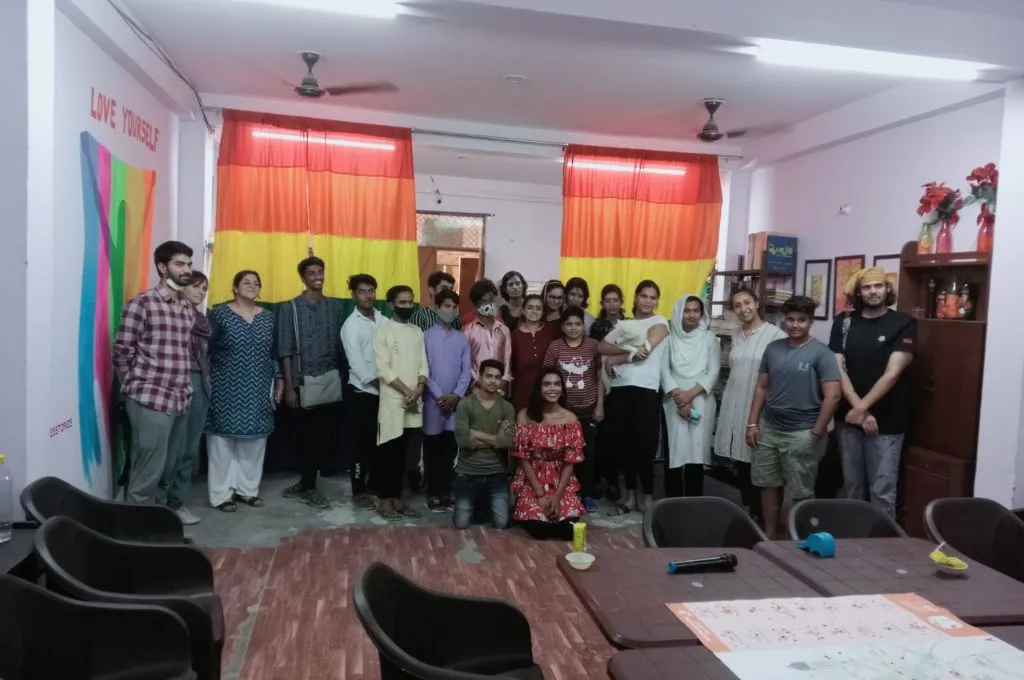
I am a transgender woman from Bihar and I currently live in Delhi. My struggle, much like that of many in the LGBTQIA+ community, began in childhood.
Because of our identity, we often have to face humiliation and violence in society, and in our own homes. Many people continue to live in this environment for years because they have nowhere else to go.
During the second wave of COVID-19, financial hardship and family pressure made me leave home. Before moving to Delhi, the biggest question before me was: Where would I live?
Typically, after leaving home, people from the trans community have limited means of livelihood. As a result, they’re often forced to take up sex work or toli-badhai (traditional ritual of giving blessings) to survive. While I left home in despair, I also knew that I had to stand on my own feet. It was around this time that I learned about garima greh, a shelter home for transgender persons.
There, I realised that the shelter was much more than a place to stay. It provided us the space to develop skills, find employment, and live a life of dignity. Everyone there had a similar story. Some had been thrown out of their homes, while others wanted to move away from traditional livelihoods such as toli-badhai and explore new possibilities.
In the mornings we would exercise, then attend computer and English classes, take part in training programmes, and eat meals together. Slowly, I felt a sense of discipline enter my life. While living at the garima greh, I completed the education I had been forced to leave behind and also got my first job. I realised that a secure life requires not just safety but also access to opportunity. Many people like me have been able to give their lives a new direction here. Today, some of them are working at reputed companies, and are also being accepted by their families.
However, with the Transgender Persons (Protection of Rights) Amendment Act, 2026, coming into effect, there is concern around transgender people having to prove their identity through medical boards and certification processes. Earlier, an Aadhaar card, other identity documents, and a person’s self-identification were considered sufficient for admission into a garima greh. In other words, if someone said they were trans, their word was accepted. This has now changed.
My fear isn’t just an apprehension, it’s a reality. Recently, the landlord of my home, in which I have lived for the past six years, asked me to submit identity-related documents once again. Fortunately, I had my certificate and was able to verify my identity. But not everyone has that option. For those still in the process of getting their certificate made, or those who don’t have these documents for some reason, finding a safe haven away from home will become even more difficult.
For me, this debate goes beyond paperwork and legal procedures. Places like garima grehs were created because society does not offer everyone the same safety, acceptance, or dignity. If new hurdles are now placed in the way of accessing these spaces, they will only deepen the very problem they claim to solve.
Many of us have already lost our homes within our families and communities. If our identity itself is now called into question, what meaning will the right to live a dignified life hold for us?
Bella has worked with Garima Greh, Delhi, and AdagioVR on issues of mental health, youth development, and LGBTQIA+ community empowerment.
—
Know more: Learn why it takes months to obtain a transgender identity certificate in Jammu and Kashmir.
Do more: Connect with the author at [email protected] to know more about and support their work.