Condom packaging design is failing rural India
 Dumka, Jharkhand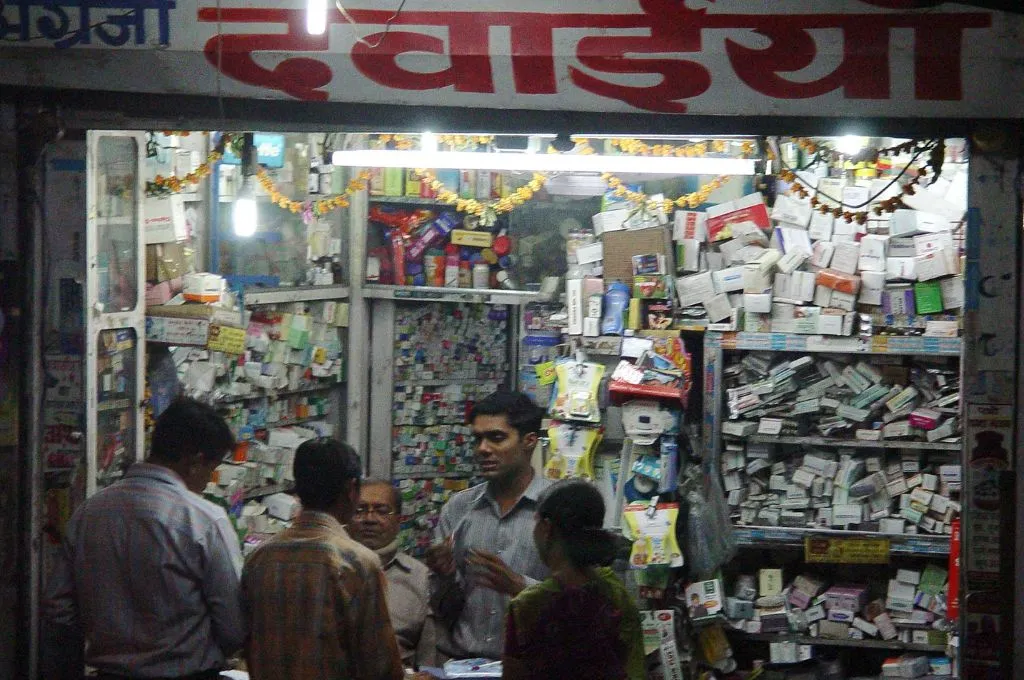
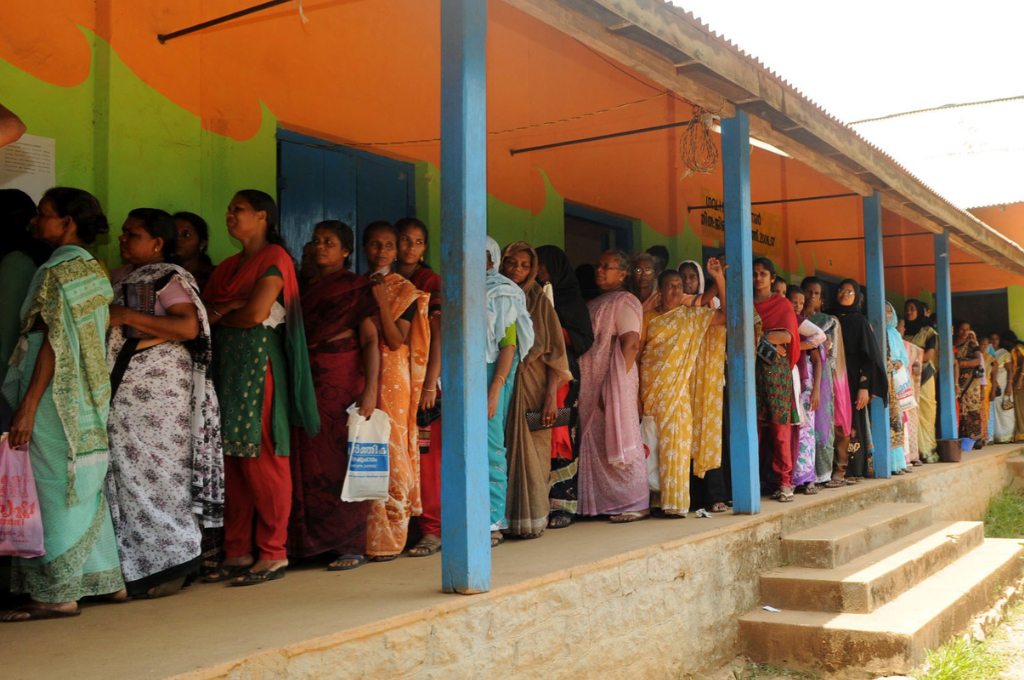
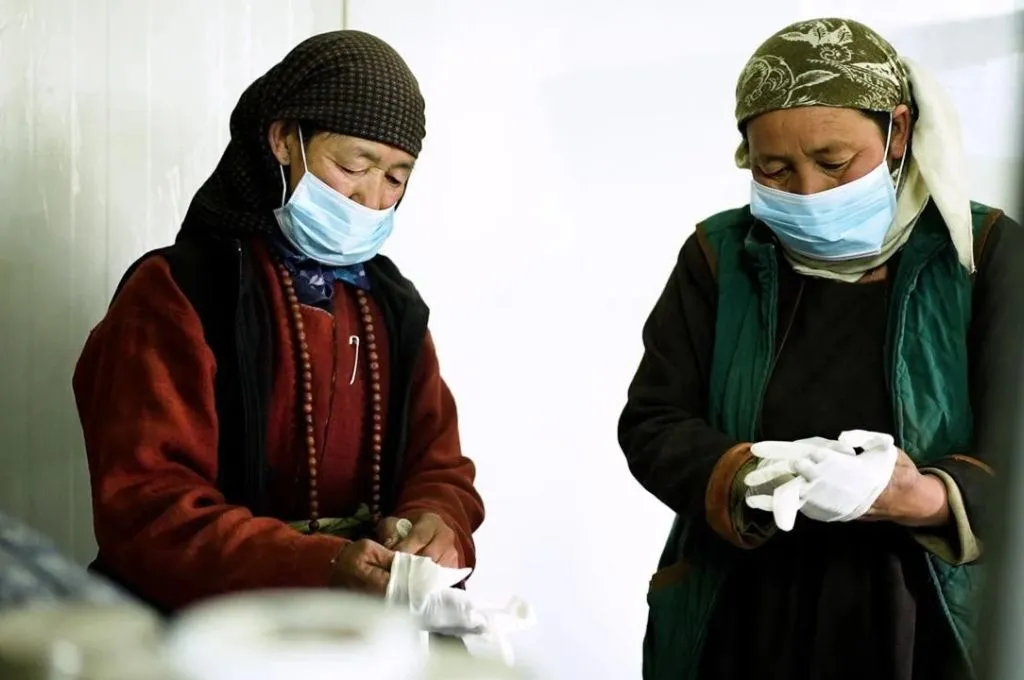
In 2023, I visited a village in Dumka district, Jharkhand, as part of research for expanding contraceptive choices to couples and helping them with family planning. I sat with a group of women in a village to try and have a conversation about contraception, which eventually led to talking about condoms. I asked why most of them depended on their husbands to buy them. Geeta* answered my question, “Didi, haven’t you seen what is shown on the packet? It doesn’t look nice.”
The packet she was talking about was for Nirodh Deluxe, a government-owned condom brand. The cover shows a young, urban couple in Western clothing, the atmosphere sensual in nature, with the branding and product information primarily in English. Geeta added, “Do you see these pictures here? It looks like it’s for people in the city. We don’t have things like this here. It feels very embarrassing.”
In the remote villages where this study was taking place, only a handful of shops stocked condoms, and shopkeepers kept them out of sight, tucked behind other products. Women expressed discomfort in visiting these shops because the shopkeepers often know their families. The packaging of the product added another layer to an already difficult interaction by exposing the couples to the underlying social stigma around the product.
Rani,* another woman in the group, said, “Our only option is to wait for the ASHA or ANM didi. Going to a shop and asking for a condom doesn’t feel right. It’s usually my husband who brings it—he can travel on his bike to get it from a medical shop farther away from our village.” For men, mobility itself offered a degree of privacy that many women did not have.
Public health programmes often focus on information gaps, affordability, availability, and service delivery. Packaging rarely counts as a public health concern. Nirodh’s packaging has changed several times over the years in order to destigmatise the product, moving away from a medical aesthetic and closer to something people would want to buy. However, while the redesign has given it a new identity among the urban and middle class, it has led to a disconnect among its primary consumer base.
Packaging of family planning commodities, therefore, requires the same thought and scrutiny as the messaging and communication around them.
*Names changed to maintain confidentiality.
Manisha Choudhary is a mixed-methods researcher working across public health, gender, and digital inclusion.
—
Know more: Read why women in Ghatampur’s brick kilns don’t have access to sanitary pads.