Sometime in 2014, when I was looking for work in Shillong, a friend suggested that I start with something small like street vending. He said, “In this city, most people are self-employed because there are very few government jobs.”
It made a lot of sense, because working odd jobs in this city has little to no returns. In fact, Meghalaya has among the lowest wages in the country, making it difficult for workers to meet their daily expenses. I thought that having my own cloth-vending business would also allow me the freedom to choose when to work and when to rest.
But my experience turned out to be entirely different. Within a few days of starting work, the police and the municipality officials confiscated my goods.

I spoke to other street vendors who knew more about the law. They told me to ask for a seizure list so I could reclaim my items. But the ordeal continued. Every time I tried to start afresh, my goods would be taken away and I would be forced to stop vending. I was bearing losses, and I had to borrow money from others to continue.
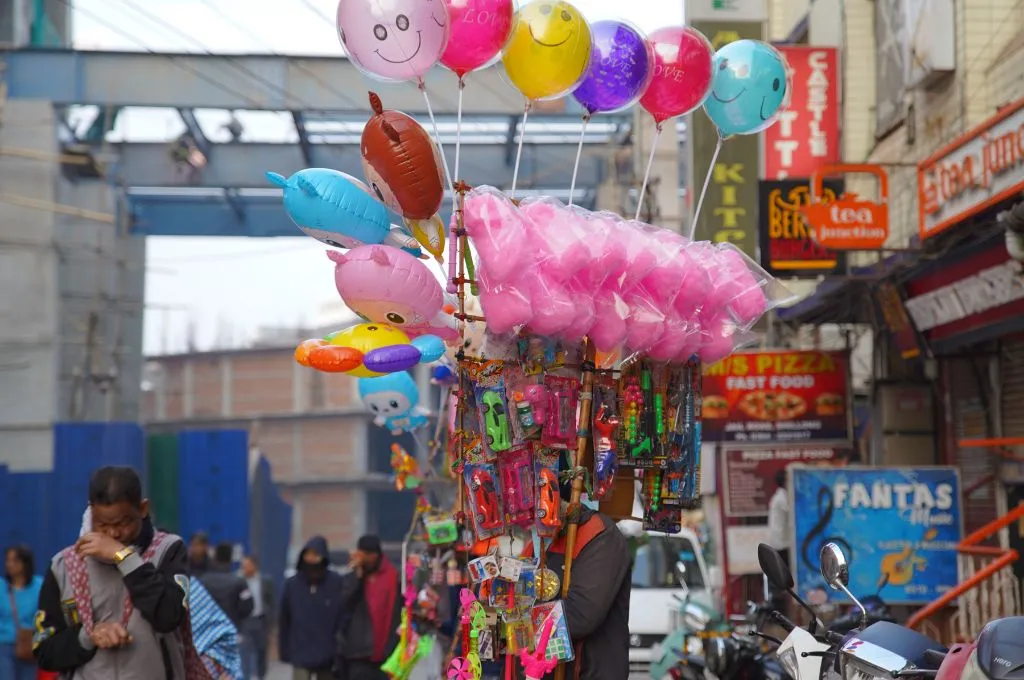
The struggle made me realise that we had to speak up for our rights. So I began searching for information, looking for welfare associations and development groups that could help us. Since it was a common problem for street vendors, all of us including teenagers, adults, and the elderly decided to sit outside the offices of student unions and youth groups to present our case. We were there week after week, hoping for support. Eventually, some civil society groups and activists came forward to help us understand the laws and claim our rights. We met the activist Angela Rangad who listened to our problems and aided us in looking for a solution. We learned about the Street Vendors (Protection of Livelihood and Regulation of Street Vending) Act 2014, which offers legal protection to street vendors like us.
Our biggest learning was that we will have to resist, not just through protests but also by using the legal means available to us.
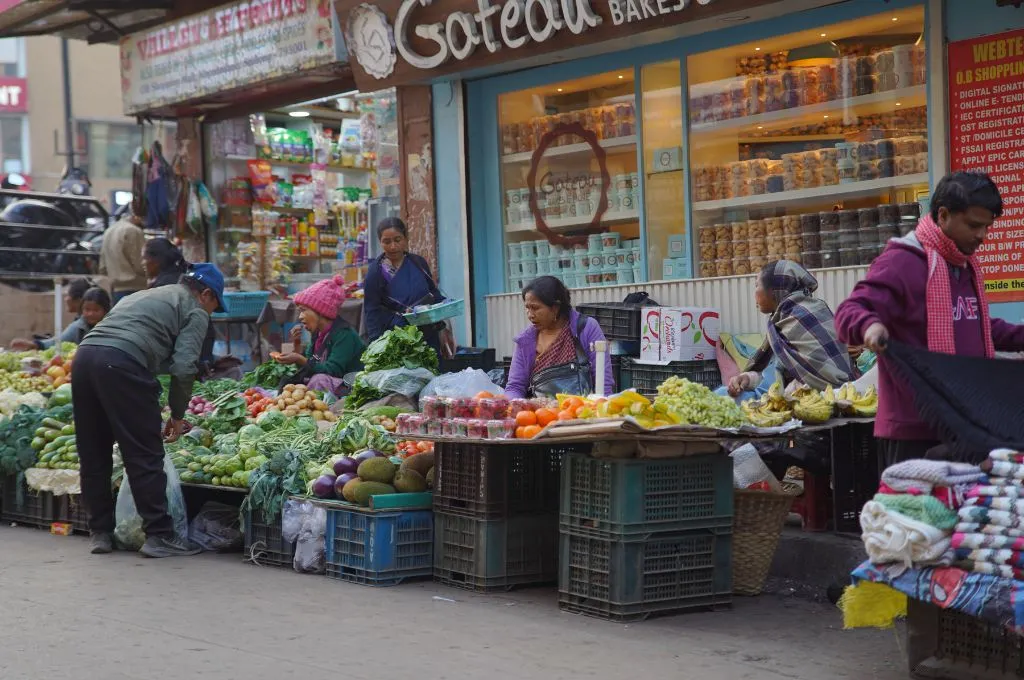
We formed the Meghalaya and Greater Shillong Progressive Hawkers and Street Vendors Association (MGSPHSVA) in 2016 to collectivise and put forth our claims. Lasara Marbaniang was the founding president of the association, and I became the first general secretary. Since then we have run campaigns against unlawful eviction, fought court cases, and even had landmark victories, such as in 2022 when the Meghalaya High Court repealed the Meghalaya Street Vendors (Protection of Livelihood and Regulation of Street Vending) Act 2014 and directed the government to instead apply the central act. The state government’s act was anti-hawker because, among its many other flaws,
- it failed to define a ‘natural market’, that is, markets such as Police Bazaar (Khyndai Lad) where vendors and customers have traditionally interacted,
- it didn’t provide appropriate mechanisms for addressing our disputes and grievances,
- unlike the central act that had enabling provisions to protect hawkers’ livelihoods, the Meghalaya state act only focused on regulation and seemed designed to make street vendors disappear.
Despite the court judgement, the government hasn’t made our lives easier. It continues to portray us as a nuisance to the city and a blot on its beautification project. And it frequently attempts to relocate us from the market areas on which our livelihoods depend.

We the people and the bazaar
In our state, there are two major markets, Police Bazaar and Ïewduh, which are also among the city’s oldest commercial centres. These markets were not created by any single authority; they developed organically over time. The central street vendors’ act clearly states that such markets cannot be destroyed; Ïewduh, in particular, is a consecrated and sacred place.
The law further requires the government to:
- Conduct a proper in situ survey before taking action against street vendors. This survey must identify who the genuine vendors are, what they sell, where they operate, the size of their families, and whether they have any other source of income.
- This should be followed by proper planning for relocation, and the formation of a town vending committee (TVC) before any action is taken.
- Apart from the police, local residents, government officials, and other stakeholders, at least 40 percent of the TVC members must be street vendors.
We have lived experience, and we know the streets and markets better than most people. Our participation is necessary when the conversation is about our livelihoods.
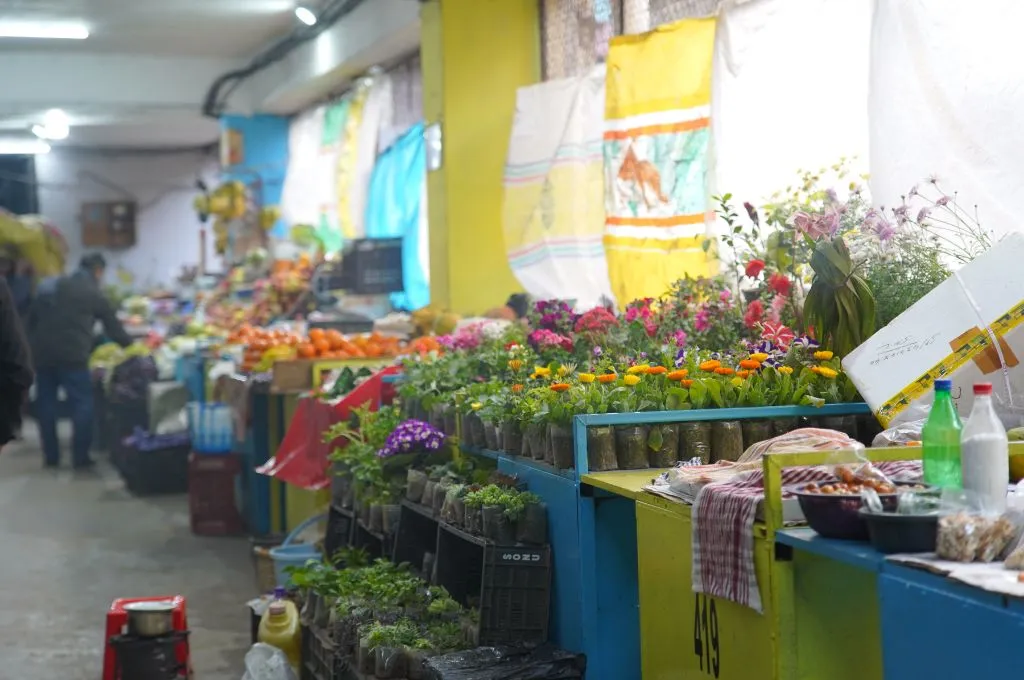
However, the state framed a set of provisional TVC rules in a way that excluded street vendors from having any real representation. They even omitted many vendors from the provisional TVC without communicating any reasons. Further, they relocated us to a new area within Police Bazaar and gave us cage-like structures to operate from, where neither us nor our customers are comfortable. This was done despite knowing that there are different categories of street vendors—some sell betel nuts, others sell food and clothes—and our space requirements are distinct from one another.
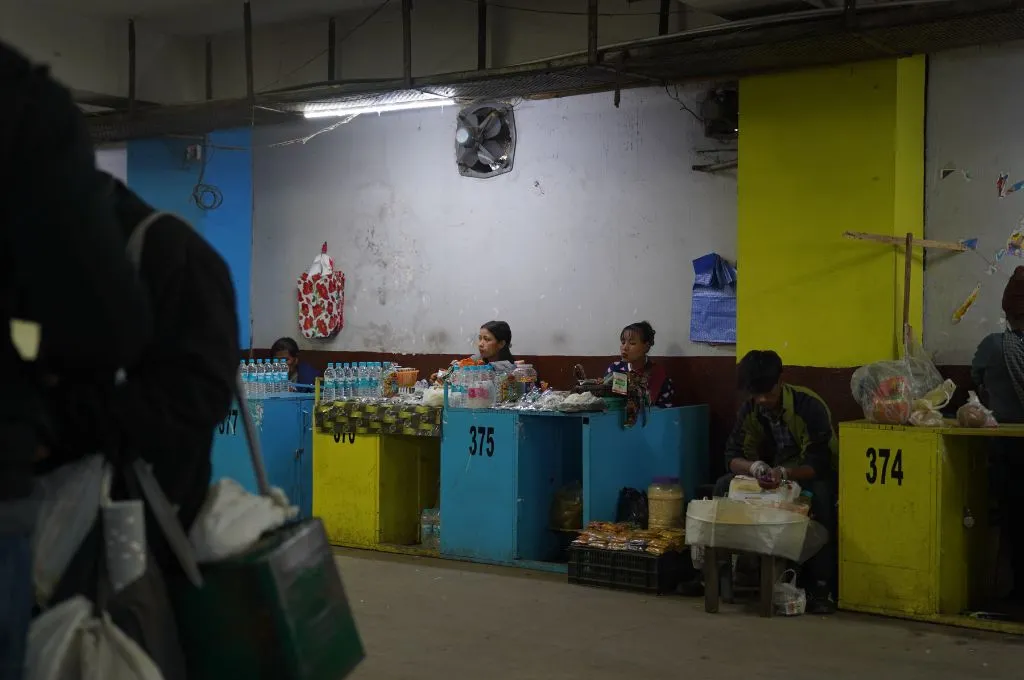
This is a flagrant violation of the act and our trust in the state government. As participants in the planning, we should have been informed about the relocation in advance, consulted in the construction of the new marketplace, and told about how much money was allocated by the Centre and where it has been spent. The act mentions that there should be facilities such as a godown, a crèche, access to water, and proper toilets. None of these have been provided. Yet, we are required to pay vending fees.
The cost of a smart city
Are we really the biggest barriers to the city’s progress? If students are late for school, street vendors are held responsible. Even traffic jams are blamed on us.
But if we are the problem, why are there traffic jams in areas such as Damside or Smit where there are no street vendors? And why, even after caging us, does everything in Police Bazaar remain in chaos?
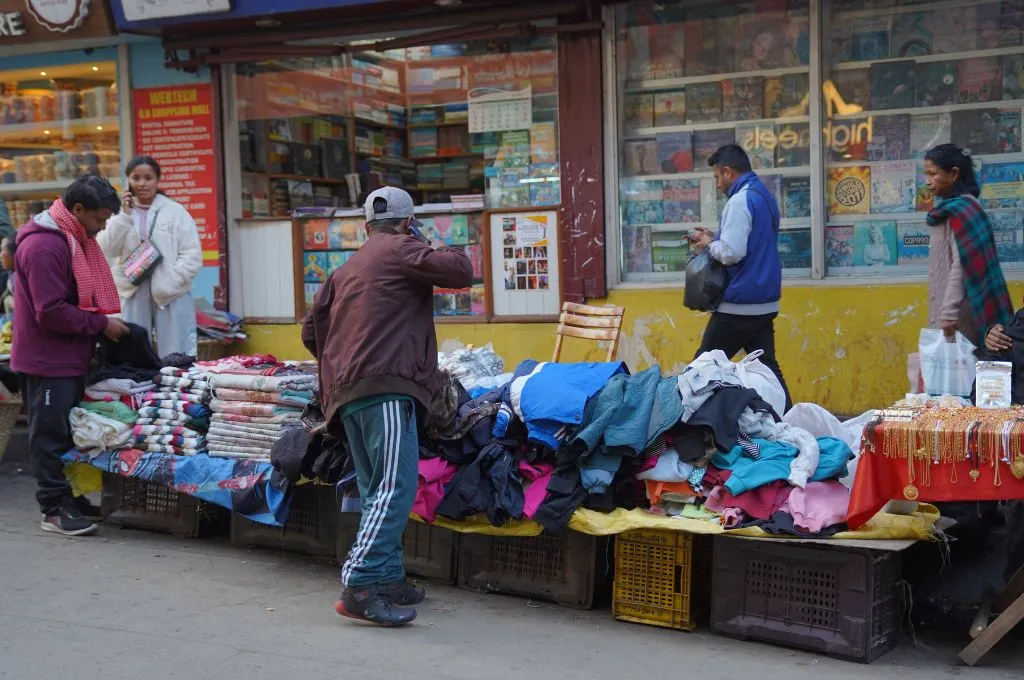
They say we are the biggest obstacle, but I can list a number of ways in which we make the city safer and liveable.
What the government does not understand is that we contribute greatly to the economy of the town, more than the millionaire businessmen, because we cater to poor people like us. We sell affordable clothes, food, vegetables, and meat to people who can’t afford to buy from expensive branded stores.
When tourists arrive here, even in the middle of the night, they are able to find food because we are here. Many women are domestic workers in the city, and often travel to and from faraway places. Our presence keeps the otherwise desolate streets populated, and the fact that approximately 80 percent of the vendors are women makes them feel safe.
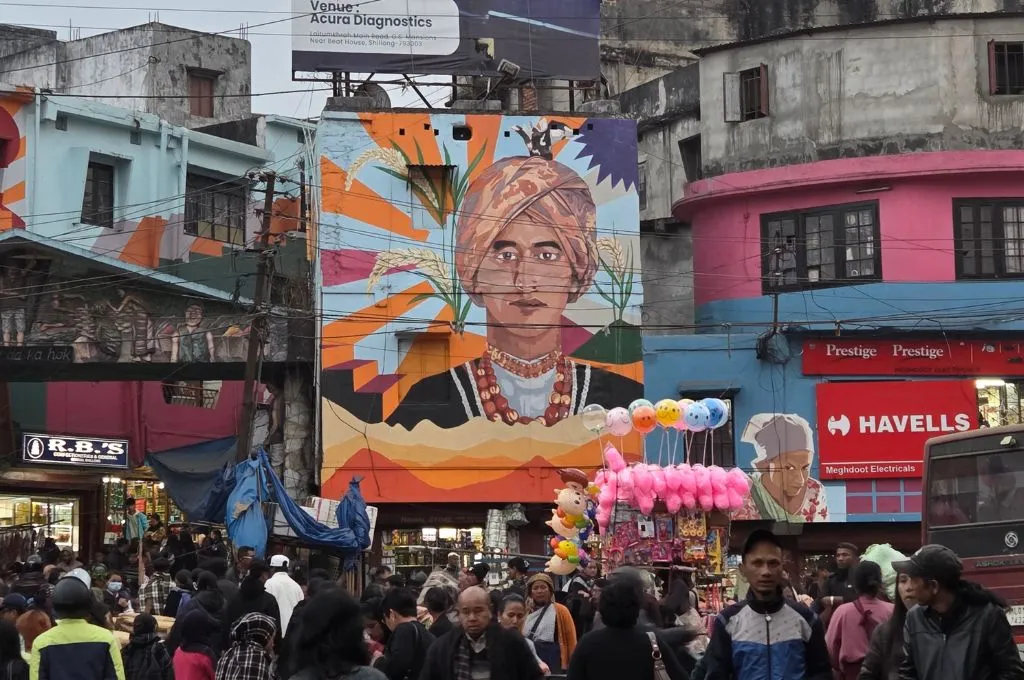
Without us, the government might believe that these streets are ‘clean’, ‘pretty’, and clear for projects like Shillong Smart City. They can plant artificial greenery in place of trees that have stood here for decades and prop up mega stages to conduct photoshoots. But how long will this mask their failure in solving the real issues that plague our Shillong and Meghalaya? When development happens at the cost of citizens, the cracks eventually start to show.
Today, we attract tourists because we still have pleasant weather. But as we cut down forests and accelerate climate change, as we continue to pollute our water sources, who will want to visit this city?
Our association has 2,000 members now, and we will go from strength to strength. If the government wants, we will continue to cooperate with them in setting up vending processes and help them in city planning. In the meantime, we will keep fighting for the rights of tribal, non-tribal, migrant, and local street vendors. Because Shillong is for everyone, and each individual has the right to live a dignified life here.
As told to Samme Massar, IDR Northeast Fellow 2025–26.
—
Know more
- Read about the traditional upcyclers of India and their struggles.
- Learn how street vendors in Meghalaya are caught between the state and the central laws.