2014ರ ರಾಜ್ಯ ಮಟ್ಟದ ಅಧ್ಯಯನದ ಪ್ರಕಾರ, ದಕ್ಷಿಣ ರಾಜಸ್ಥಾನದ 56.6 ಪ್ರತಿಶತ ಕುಟುಂಬಗಳಲ್ಲಿ ಕನಿಷ್ಠ ಒಬ್ಬರು ಅಥವಾ ಇಬ್ಬರು ಸದಸ್ಯರು ಉದ್ಯೋಗ ಅರಸಿ ವಲಸೆ ಹೋಗುತ್ತಿದ್ದರು. ವಿಶೇಷವಾಗಿ ಈ ಪ್ರದೇಶದಲ್ಲಿ ಪುರುಷರ ವಲಸೆಯ ಪ್ರಮಾಣ ಹೆಚ್ಚಾಗಿರುವುದರಿಂದ, ಅಂತಹ ಕುಟುಂಬಗಳ ಜೀವನೋಪಾಯದ ಗಮನಾರ್ಹ ಭಾಗವು ಮಹಿಳೆಯರ ಶ್ರಮವನ್ನೇ ಅವಲಂಬಿಸಿದೆ.
ಈ ಹಿನ್ನೆಲೆಯಲ್ಲಿ, MGNREGA ಕೇವಲ ಉದ್ಯೋಗ ಯೋಜನೆ ಅಥವಾ ಆದಾಯದ ಮೂಲವಷ್ಟೇ ಆಗಿರದೆ, ಮಹಿಳೆಯರು ಪಂಚಾಯತ್ ವ್ಯವಸ್ಥೆಯಲ್ಲಿ ಪಾಲ್ಗೊಳ್ಳಲು, ತಮ್ಮ ಅಭಿಪ್ರಾಯ ಹಾಗೂ ಆತಂಕಗಳನ್ನು ವ್ಯಕ್ತಪಡಿಸಲು, ಸಂಘಟಿತರಾಗಲು ಮತ್ತು ಸ್ಥಳೀಯ ಆಡಳಿತದಿಂದ ಹೊಣೆಗಾರಿಕೆಯನ್ನು ಆಗ್ರಹಿಸಲು ಒಂದು ಪ್ರಮುಖ ಮಾಧ್ಯಮವಾಗಿ ಕಾರ್ಯನಿರ್ವಹಿಸಿದೆ.
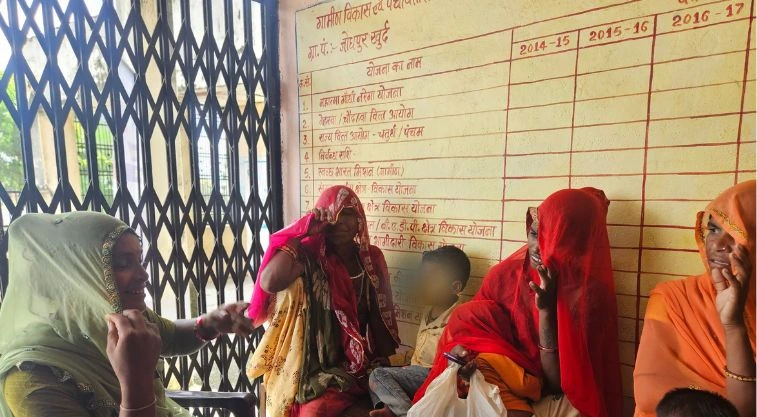
MGNREGA: ಮಹಿಳೆಯರಿಗೆ ಕೇವಲ ಉದ್ಯೋಗವಷ್ಟೇ ಅಲ್ಲ
ದಕ್ಷಿಣ ರಾಜಸ್ಥಾನದಲ್ಲಿ ನಾನು ಕೆಲಸ ಮಾಡುತ್ತಿರುವ ಗ್ರಾಮೀಣ ಮಹಿಳೆಯರ ಸಂಘಟನೆಯಾದ ಉಜಾಲಾ ಸಂಘಟನೆಯೊಂದಿಗೆ ಗುರುತಿಸಿಕೊಂಡಿರುವ ಸಾವಿರಾರು ಮಹಿಳೆಯರು, ಕಳೆದ ಕೆಲವು ವರ್ಷಗಳಲ್ಲಿ MGNREGA ಅಡಿಯಲ್ಲಿ ಕೆಲಸಕ್ಕಾಗಿ ಅರ್ಜಿ ಸಲ್ಲಿಸಲು ತಮ್ಮ ಗ್ರಾಮ ಪಂಚಾಯಿತಿಗಳಿಗೆ ತೆರಳಿದ್ದಾರೆ.

ಕೆಲಸವನ್ನು ಕೋರುವ ಈ ಪ್ರಕ್ರಿಯೆಯು ಅವರಿಗೆ ಪಂಚಾಯತ್ ಕಾರ್ಯದರ್ಶಿ, ಸರಪಂಚ್ ಮತ್ತು ಇತರ ಸ್ಥಳೀಯ ಅಧಿಕಾರಿಗಳೊಂದಿಗೆ ವ್ಯವಹರಿಸುವ ಅವಕಾಶವನ್ನೂ ಕಲ್ಪಿಸಿಕೊಟ್ಟಿತು; ಇದರ ಪರಿಣಾಮವಾಗಿ, ತಮ್ಮ ಅರ್ಜಿಯ ಸ್ವೀಕೃತಿ ರಸೀದಿಯನ್ನು ಕೇಳುವಲ್ಲಿನ ಹಿಂಜರಿಕೆಯನ್ನು ಅವರು ಕ್ರಮೇಣ ಹೋಗಲಾಡಿಸಿಕೊಂಡರು. ಸಂಘಟನೆಯ ನಾಯಕರೊಬ್ಬರು ವಿವರಿಸಿದಂತೆ, “ನಾವು ಒಬ್ಬರೇ ಹೋದಾಗ ಪಂಚಾಯತ್ನಲ್ಲಿ ಯಾರೂ ನಮ್ಮ ಮಾತನ್ನು ಕೇಳುತ್ತಿರಲಿಲ್ಲ. ಆದರೆ ನಾವೆಲ್ಲರೂ ಒಟ್ಟಾಗಿ ಹೋದಾಗ, ರಸೀದಿ ನೀಡದೆ ಅವರಿಗೆ ಬೇರೆ ದಾರಿಯೇ ಇರುವುದಿಲ್ಲ.”
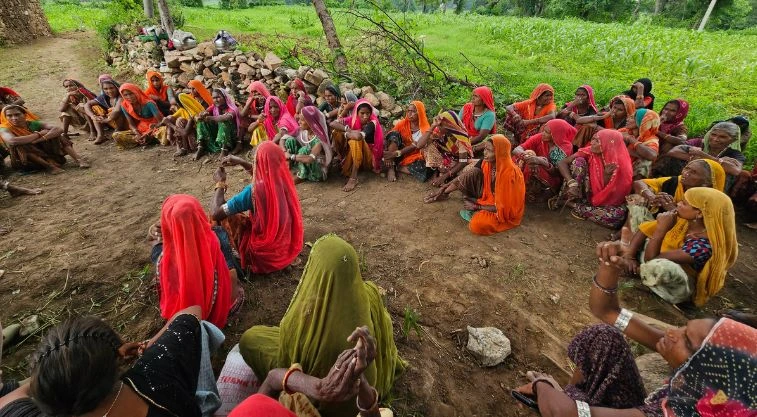
2016-17ರಲ್ಲಿ, ಡುಂಗರ್ಪುರ ಜಿಲ್ಲೆಯ ಒಂದು ಗ್ರಾಮ ಪಂಚಾಯಿತಿಯಲ್ಲಿ, MGNREGA ಅಡಿಯಲ್ಲಿ ಕೆಲಸಕ್ಕಾಗಿ ಅರ್ಜಿ ಸಲ್ಲಿಸಲು ಸುಮಾರು 200 ಮಹಿಳೆಯರಿಂದ ತಲಾ 50 ರೂಪಾಯಿಗಳನ್ನು ಅಕ್ರಮವಾಗಿ ವಸೂಲಿ ಮಾಡಲಾಗಿತ್ತು. ಈ ಶುಲ್ಕದ ವಿರುದ್ಧ ಮಹಿಳೆಯರು ಪ್ರತಿಭಟಿಸಿದಾಗ, ಅನೇಕರಿಗೆ ಕೆಲಸ ನಿರಾಕರಿಸಲಾಯಿತು ಮತ್ತು ಇನ್ನು ಕೆಲವರಿಗೆ ವೇತನ ಪಾವತಿಯಲ್ಲಿ ವಿಳಂಬವಾಯಿತು. ಆದಾಗ್ಯೂ, ಅವರು ಹಿಂದೆ ಸರಿಯಲಿಲ್ಲ. ಅವರು ಪಂಚಾಯಿತಿ ಕಚೇರಿಗೆ ಭೇಟಿ ನೀಡುವುದನ್ನು, ಅರ್ಜಿಗಳನ್ನು ಸಲ್ಲಿಸುವುದನ್ನು ಮತ್ತು ವ್ಯವಸ್ಥೆಯಲ್ಲಿನ ಲೋಪದೋಷಗಳನ್ನು ಬಯಲಿಗೆಳೆಯುವುದನ್ನು ಮುಂದುವರಿಸಿದರು. ಅಂತಿಮವಾಗಿ, ಅರ್ಜಿ ಸಲ್ಲಿಸಲು ಹಣ ಪಾವತಿಸಲು ಒತ್ತಾಯಿಸಲ್ಪಟ್ಟಿದ್ದ ಮಹಿಳೆಯರಿಗೆ ಆ ಹಣವನ್ನು ಮರುಪಾವತಿಸುವಂತೆ ಅವರು ನೋಡಿಕೊಂಡರು. ಪಂಚಾಯಿತಿ ಮತ್ತು ಸ್ಥಳೀಯ ಆಡಳಿತವನ್ನು ಮಹಿಳೆಯರು ಸಾಮೂಹಿಕವಾಗಿ ಹೊಣೆಗಾರರನ್ನಾಗಿ ಮಾಡಿದುದಕ್ಕೆ ಇದು ಒಂದು ಪ್ರಬಲ ಉದಾಹರಣೆಯಾಯಿತು.
ಕಾಲಕ್ರಮೇಣ, ಮಹಿಳೆಯರು ಪಂಚಾಯತ್ ಸಭೆಗಳಲ್ಲಿ ಭಾಗವಹಿಸಲು ಪ್ರಾರಂಭಿಸಿದಾಗ, ಅವರು ಕೇವಲ MGNREGA ಗಿಂತಲೂ ಹೆಚ್ಚಿನ ವಿಷಯಗಳ ಕುರಿತು ಚರ್ಚಿಸಿದರು. ಅವರು ತಮ್ಮ ಕುಟುಂಬ ಮತ್ತು ಮನೆಗೆ ಸಂಬಂಧಿಸಿದ ವಿಷಯಗಳು, ಅಂಗನವಾಡಿಗಳು, ಶಾಲೆಗಳು, ರಸ್ತೆಗಳು, ಪಡಿತರ, ಆಧಾರ್ ದಾಖಲೆಗಳಲ್ಲಿನ ದೋಷಗಳು, ಸ್ಥಗಿತಗೊಂಡ ಪಿಂಚಣಿಗಳು, ರಾಜ್ಯ ಸರ್ಕಾರ ನೀಡುವ ‘ಜನ್ ಆಧಾರ್’ ಕಾರ್ಡ್ಗಳಲ್ಲಿನ ತಪ್ಪಾದ ಜನ್ಮ ದಿನಾಂಕಗಳು, ಸರ್ಕಾರಿ ಆಸ್ಪತ್ರೆಗಳಲ್ಲಿ ವೈದ್ಯರ ಕೊರತೆ ಹಾಗೂ ಆ ಪ್ರದೇಶದಲ್ಲಿನ ಹಿಂಸಾಚಾರ ಮತ್ತು ವಂಚನೆಯ ಪ್ರಕರಣಗಳ ಬಗ್ಗೆಯೂ ವಿಷಯಗಳನ್ನು ಪ್ರಸ್ತಾಪಿಸಿದರು.
ತಮ್ಮ ಅತಿದೊಡ್ಡ ಶಕ್ತಿಯೆಂದರೆ, ಈಗ ತಾವು ಮನೆಯಿಂದ ಹೊರಬಂದು ಪಂಚಾಯತ್ ಸಭೆಗಳಲ್ಲಿ ಭಾಗವಹಿಸಲು, ಅಗತ್ಯವಿದ್ದಾಗ ಪಂಚಾಯತ್ ಸಭೆಯನ್ನು ಕರೆಯಿಸಲು ಹಾಗೂ ತಮ್ಮ ಹಕ್ಕುಗಳ ಕುರಿತು ಸರಪಂಚ್, ಪಂಚಾಯತ್ ಕಾರ್ಯದರ್ಶಿ ಮತ್ತು ಲೋವರ್ ಡಿವಿಷನ್ ಕ್ಲರ್ಕ್ (LDC) ಅವರನ್ನು ಪ್ರಶ್ನಿಸಲು ಸಾಧ್ಯವಾಗುತ್ತಿರುವುದು ಎಂದು ಮಹಿಳೆಯರು ಹೇಳುತ್ತಾರೆ.
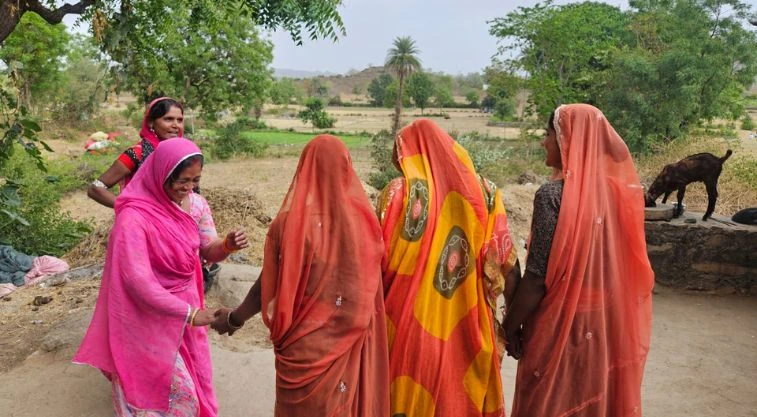
ಕೆಲಸ ಮತ್ತು ಜೀವನವನ್ನು ಹಂಚಿಕೊಳ್ಳುವ ತಾಣ
ಖೇರ್ವಾರಾ ಪ್ರದೇಶದ MGNREGA ಕಾಮಗಾರಿ ನಡೆಯುವ ಸ್ಥಳವೊಂದರಲ್ಲಿ, ಮಹಿಳೆಯರ ಗುಂಪೊಂದು ಕೆಲಸ ಮಾಡುತ್ತಲೇ ಹರಟೆ ಹೊಡೆಯುತ್ತಿತ್ತು. ಒಬ್ಬ ಮಹಿಳೆ, “ಇಂದು ತುಂಬಾ ಚಳಿಯಿದೆ. ಬೆಳಗ್ಗೆ ನನಗೆ ಸೋಮಾರಿತನವೆನಿಸಿತ್ತು, ಹಾಗಾಗಿ ಕೇವಲ ರೊಟ್ಟಿಗಳನ್ನು ಮಾತ್ರ ತಂದಿದ್ದೇನೆ; ಅವುಗಳ ಜೊತೆ ತಿನ್ನಲು ಬೇಯಿಸಿದ ತರಕಾರಿ ಏನನ್ನೂ ತಂದಿಲ್ಲ,” ಎಂದು ಹೇಳಿದಳು. ಅದಕ್ಕೆ ಇನ್ನೊಬ್ಬಳು ನಗುತ್ತಲೇ, “ನಾನು ತರಕಾರಿ ತಂದಿದ್ದೇನೆ,” ಎಂದು ಉತ್ತರಿಸಿದಳು. ಅವರ ಮಾತುಗಳನ್ನು ಕೇಳುತ್ತಿದ್ದ ಹತ್ತಿರದಲ್ಲೇ ಕುಳಿತಿದ್ದ ವೃದ್ಧೆಯೊಬ್ಬರು, “ನಾನಂತೂ ಕೇವಲ ಒಂದು ಚಾಕುವನ್ನು ಮಾತ್ರ ತಂದಿದ್ದೇನೆ. ಯಾರಾದರೂ ಸೌತೆಕಾಯಿಯನ್ನು ತಂದಿದ್ದರೆ, ಅದನ್ನು [ಕತ್ತರಿಸಿ] ತಿನ್ನುತ್ತೇನೆ,” ಎಂದು ನುಡಿದರು.

ಹೊರಗಿನವರಿಗೆ ಇಂತಹ ದೈನಂದಿನ ಸಂಭಾಷಣೆಗಳು ಸಾಮಾನ್ಯವೆಂದು ತೋರಬಹುದಾದರೂ, ಕೆಲಸದ ಸ್ಥಳವು ಅಂತಹ ಒಡನಾಟ ಮತ್ತು ಸಂಭಾಷಣೆಯ ತಾಣವಾಗಿದೆ; ಇಲ್ಲಿ ಮಹಿಳೆಯರು ತಮ್ಮ ಸ್ನೇಹಿತರೊಂದಿಗೆ ಮುಕ್ತವಾಗಿ ಮಾತನಾಡಬಹುದು, ತಮ್ಮ ಚಿಂತೆಗಳನ್ನು ಹಂಚಿಕೊಳ್ಳಬಹುದು ಮತ್ತು ಸ್ವಲ್ಪ ಸಮಯದವರೆಗೆ ತಮ್ಮ ದಿನನಿತ್ಯದ ದಿನಚರಿಯಿಂದ ಹೊರತಾದ ಜೀವನವನ್ನು ನಡೆಸಬಹುದು.
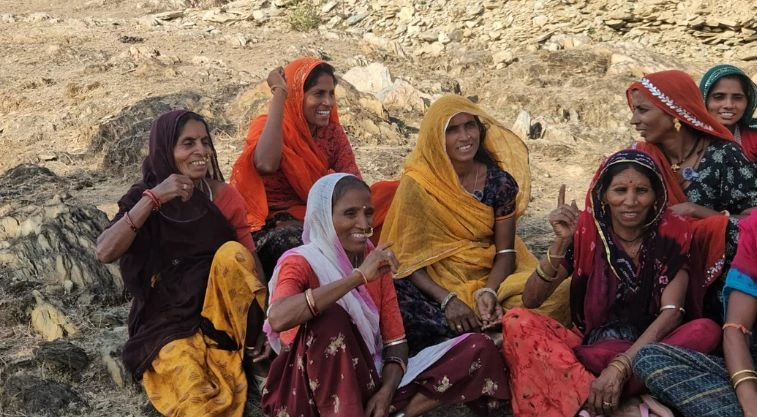
ಸಂಭಾಷಣೆಗಳಲ್ಲಿ ಮಹಿಳೆಯರು ಸರ್ಕಾರಿ ಯೋಜನೆಗಳ ಕುರಿತು ಮಾಹಿತಿಯನ್ನು ಹಂಚಿಕೊಳ್ಳುತ್ತಾರೆ, ಅರ್ಜಿ ಸಲ್ಲಿಸುವ ಗಡುವಿನ ಬಗ್ಗೆ ಮಾತನಾಡುತ್ತಾರೆ, ಒಟ್ಟಾಗಿ ಬ್ಯಾಂಕ್ಗಳು ಅಥವಾ ಇ-ಮಿತ್ರ ಕೇಂದ್ರಗಳಿಗೆ ಭೇಟಿ ನೀಡಲು ಯೋಜನೆಗಳನ್ನು ರೂಪಿಸುತ್ತಾರೆ ಹಾಗೂ ಪರಸ್ಪರ ಸಹಾಯ ಮತ್ತು ಬೆಂಬಲವನ್ನು ನೀಡುತ್ತಾರೆ.
ಇದು ಮಹಿಳೆಯರ ಆರೋಗ್ಯದೊಂದಿಗೆ — ಅವರ ಮಾನಸಿಕ ಮತ್ತು ಭಾವನಾತ್ಮಕ ಕ್ಷೇಮವನ್ನೂ ಒಳಗೊಂಡಂತೆ — ನಿರ್ಣಾಯಕವಾದ, ಆದರೆ ಪರೋಕ್ಷವಾದ ಸಂಬಂಧವನ್ನು ಹೊಂದಿದೆ. ಉತ್ತಮ ಆರೋಗ್ಯವು ಕೇವಲ ಸೂಕ್ತ ಪೋಷಣೆಯ ಮೇಲೆ ಮಾತ್ರ ಅವಲಂಬಿತವಾಗಿರುವುದಿಲ್ಲ; ಮಹಿಳೆಯರು ತಮ್ಮ ಒತ್ತಡ, ಆತಂಕ ಮತ್ತು ಭಾವನೆಗಳನ್ನು ವ್ಯಕ್ತಪಡಿಸಲು ಹಾಗೂ ಹಂಚಿಕೊಳ್ಳಲು ಅವಕಾಶವಿರುವಂತಹ ವಾತಾವರಣವನ್ನು ಹೊಂದಿರುವುದೂ ಇದರಲ್ಲಿ ಸೇರಿದೆ. ಈ ದೃಷ್ಟಿಯಿಂದ ನೋಡಿದಾಗ, MGNREGA ಕೆಲಸದ ಸ್ಥಳವು ಅನೇಕ ಬಾರಿ ಸಾಮಾಜಿಕ ಮತ್ತು ಭಾವನಾತ್ಮಕ ಬೆಂಬಲದ ಮೂಲವಾಗಿಯೂ ಕಾರ್ಯನಿರ್ವಹಿಸುತ್ತದೆ.
ಆರ್ಥಿಕ ಏಜೆನ್ಸಿ ಮತ್ತು ಚೌಕಾಶಿ ಸಾಮರ್ಥ್ಯವನ್ನು ಬಲಪಡಿಸುವುದು
“MGNREGA ಅಡಿಯಲ್ಲಿ ಕೂಲಿ ಸಿಕ್ಕಾಗ ನಮಗೆ ಸಂತೋಷವಾಗುತ್ತದೆ,” ಎಂದು ಕೋಡಾರ್ ಗ್ರಾಮದ ಸಂಘಟನೆಯ ನಾಯಕಿಯಾದ ಕಿರಣ್ ಬಾಯಿ* ಹೇಳಿದರು. “ಆದರೆ, ಕೆಲಸ ಇಲ್ಲದಿದ್ದರೆ ಹಣವೂ ಇರುವುದಿಲ್ಲ.”
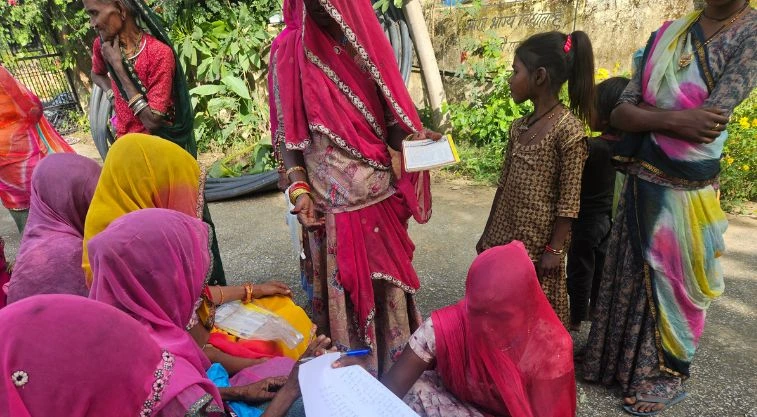
ದಕ್ಷಿಣ ರಾಜಸ್ಥಾನದ ಮಹಿಳೆಯರಿಗೆ, ವಿಶೇಷವಾಗಿ ಪುರುಷರು ಕೆಲಸಕ್ಕಾಗಿ ಆ ಪ್ರದೇಶವನ್ನು ತೊರೆದಾಗ, ತಮ್ಮದೇ ಆದ ಆದಾಯವನ್ನು ಹೊಂದಿರುವುದು ಆರ್ಥಿಕ ಅವಲಂಬನೆಯನ್ನು ಕಡಿಮೆ ಮಾಡಲು ಒಂದು ಪ್ರಮುಖ ಮಾರ್ಗವಾಗುತ್ತದೆ. ಈ ಆದಾಯವು ಮಹಿಳೆಯರಿಗೆ ಮನೆಯ ಖರ್ಚು-ವೆಚ್ಚಗಳು, ಮಕ್ಕಳ ಅಗತ್ಯಗಳು, ಪ್ರಯಾಣ ಮತ್ತು ತಮ್ಮದೇ ಆದ ಸಣ್ಣಪುಟ್ಟ ವೈಯಕ್ತಿಕ ಖರ್ಚುಗಳಿಗೆ ಸಂಬಂಧಿಸಿದಂತೆ ನಿರ್ಧಾರಗಳನ್ನು ತೆಗೆದುಕೊಳ್ಳುವ ಆತ್ಮವಿಶ್ವಾಸವನ್ನು ನೀಡುತ್ತದೆ.
ಸ್ಥಳೀಯ ಅನೌಪಚಾರಿಕ ಕಾರ್ಮಿಕ ಮಾರುಕಟ್ಟೆಗಳಲ್ಲಿ ತಮ್ಮ ಚೌಕಾಶಿ ಸಾಮರ್ಥ್ಯವನ್ನು ಬಲಪಡಿಸುವಲ್ಲಿ MGNREGA ಸಹಕಾರಿಯಾಗಿದೆ ಎಂದು ಮಹಿಳೆಯರು ಮತ್ತು ಕಾರ್ಯಕರ್ತರು ತಿಳಿಸಿದ್ದಾರೆ. ಒಬ್ಬ ಕಾರ್ಯಕರ್ತರು ವಿವರಿಸಿದಂತೆ, MGNREGA ಅಡಿಯಲ್ಲಿ ದಿನಕ್ಕೆ 200 ರಿಂದ 250 ರೂಪಾಯಿಗಳನ್ನು ಗಳಿಸಲು ಸಾಧ್ಯವಿರುವುದರಿಂದ, ಅದಕ್ಕಿಂತ ಕಡಿಮೆ ಮೊತ್ತಕ್ಕೆ ತಾವು ಕೆಲಸ ಮಾಡುವುದಿಲ್ಲ ಎಂದು ಮಹಿಳೆಯರು ಗುತ್ತಿಗೆದಾರರಿಗೆ ಅಥವಾ ಉದ್ಯೋಗದಾತರಿಗೆ ಹೇಳುತ್ತಾರೆ.
ಈ ರೀತಿಯಾಗಿ, MGNREGA ವೇತನವು ಘನತೆಯುಳ್ಳ ಕನಿಷ್ಠ ವೇತನಕ್ಕೆ ಮಾನದಂಡವಾಗಿ ಕಾರ್ಯನಿರ್ವಹಿಸುತ್ತದೆ.
ಹಕ್ಕುಗಳು ಮತ್ತು ಸಾಮಾಜಿಕ ಕಲ್ಯಾಣಕ್ಕೆ ದ್ವಾರವಾಗಿ MGNREGA
ಮಹಿಳೆಯರು ಇತರ ಸರ್ಕಾರಿ ಹಕ್ಕುಗಳು ಮತ್ತು ಸವಲತ್ತುಗಳನ್ನು ಪಡೆಯಲು MGNREGA ಒಂದು ಮಾರ್ಗವಾಗಿ ಕಾರ್ಯನಿರ್ವಹಿಸಿದೆ. ಸ್ಥಳೀಯ ನಿರ್ಮಾಣ ಕೆಲಸದ ಅವಕಾಶಗಳು ಸೀಮಿತವಾಗಿರುವ ಗ್ರಾಮೀಣ ಪ್ರದೇಶಗಳಲ್ಲಿ, ಅನೇಕ ಮಹಿಳೆಯರು ಕಟ್ಟಡ ಮತ್ತು ಇತರ ನಿರ್ಮಾಣ ಕಾರ್ಮಿಕರ (BOCW) ಕಾಯ್ದೆ ಅಡಿಯಲ್ಲಿ ನೋಂದಣಿಗೆ ಅರ್ಹತೆ ಪಡೆಯಲು ಕಾಯ್ದೆಯಡಿ 90 ದಿನಗಳ ಉದ್ಯೋಗದ ದಾಖಲೆಯನ್ನು ಅವಲಂಬಿಸಿದ್ದಾರೆ. ಈ ನೋಂದಣಿಯು ವಿದ್ಯಾರ್ಥಿವೇತನಗಳು, ಮಾತೃತ್ವ ಪ್ರಯೋಜನಗಳು ಮತ್ತು ಇತರ ಸಾಮಾಜಿಕ ಭದ್ರತಾ ಯೋಜನೆಗಳಿಗೆ ಪ್ರವೇಶವನ್ನು ಒದಗಿಸುತ್ತದೆ.
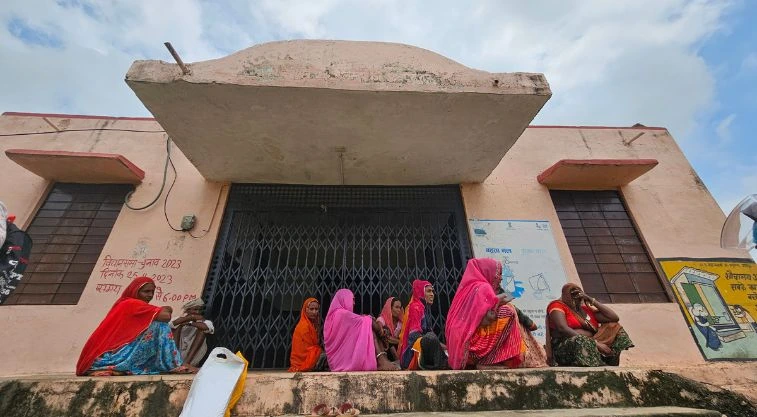
ಕೆಲಸ ಕೇಳುವ ಹಕ್ಕು ದುರ್ಬಲಗೊಂಡರೆ ಮಹಿಳೆಯರು ಕಳೆದುಕೊಳ್ಳುವುದು ಏನು?
ಮಹಿಳೆಯರೊಂದಿಗೆ ಕೆಲಸ ಮಾಡುವಾಗ, MGNREGA ಯೋಜನೆಯು ವೇತನ ಪಾವತಿಯಲ್ಲಿನ ವಿಳಂಬ ಮತ್ತು ಕೆಲಸದ ಲಭ್ಯತೆಯ ಬಗೆಗಿನ ಅನಿಶ್ಚಿತತೆಯಂತಹ ಸಮಸ್ಯೆಗಳಿಂದ ದೀರ್ಘಕಾಲದಿಂದಲೂ ಬಳಲುತ್ತಿದೆ ಎಂಬುದನ್ನು ನಾವು ಗಮನಿಸಿದ್ದೇವೆ. ಇದೀಗ, VB-G RAM G ಕಾಯ್ದೆಯ ಅಡಿಯಲ್ಲಿನ ಹೊಸ ಕಾನೂನು ಮತ್ತು ಸಾಂಸ್ಥಿಕ ಬದಲಾವಣೆಗಳು ರಾಜ್ಯ ಸರ್ಕಾರಗಳ ಮೇಲೆ ಹೆಚ್ಚಿನ ಆರ್ಥಿಕ ಹೊರೆಯನ್ನು ಹೇರಿದರೆ ಅಥವಾ ಕೆಲಸದ ಲಭ್ಯತೆಯನ್ನು ಮತ್ತಷ್ಟು ಸೀಮಿತಗೊಳಿಸಿದರೆ, ಗ್ರಾಮೀಣ ಮಹಿಳೆಯರಿಗೆ ಉದ್ಯೋಗ ಪಡೆಯುವುದು ಇನ್ನಷ್ಟು ಕಷ್ಟಕರವಾಗಬಹುದು ಎಂಬ ಆತಂಕ ವ್ಯಕ್ತವಾಗಿದೆ.
ಇದರ ಪರಿಣಾಮವು ಸರಪಳಿ ಪ್ರತಿಕ್ರಿಯೆಯಂತಿರಲಿದೆ. ತಮ್ಮ ಗ್ರಾಮಗಳಲ್ಲೇ ಸಾಕಷ್ಟು ಕೆಲಸ ಸಿಗದಿದ್ದರೆ, ಮಹಿಳೆಯರು ಅನಿವಾರ್ಯವಾಗಿ ಅನೌಪಚಾರಿಕ ಕಾರ್ಮಿಕ ಮಾರುಕಟ್ಟೆಯತ್ತ ಮುಖಮಾಡಬೇಕಾಗುತ್ತದೆ; ಅಂದರೆ ಖಾಸಗಿ ನಿರ್ಮಾಣ ಅಥವಾ ಇತರ ಅಸಂಘಟಿತ ವಲಯಗಳಲ್ಲಿ ಕೆಲಸ ಮಾಡಬೇಕಾಗುತ್ತದೆ. ಇಂತಹ ವಲಯಗಳಲ್ಲಿ ಅವರಿಗೆ ಈಗಾಗಲೇ ತುಲನಾತ್ಮಕವಾಗಿ ಕಡಿಮೆ ವೇತನ ನೀಡಲಾಗುತ್ತಿದ್ದು, ಅಲ್ಲಿ ಅವರ ಚೌಕಾಶಿ ಸಾಮರ್ಥ್ಯವೂ ಅತ್ಯಂತ ದುರ್ಬಲವಾಗಿರುತ್ತದೆ. ಇದಲ್ಲದೆ, MGNREGA ವೇತನದ ಮಾನದಂಡವನ್ನು ಉಲ್ಲೇಖಿಸಿ ಉತ್ತಮ ವೇತನ ದರಗಳನ್ನು ಕೇಳುವ ಅವಕಾಶವೂ ಮಹಿಳೆಯರಿಗೆ ಇರುವುದಿಲ್ಲ.
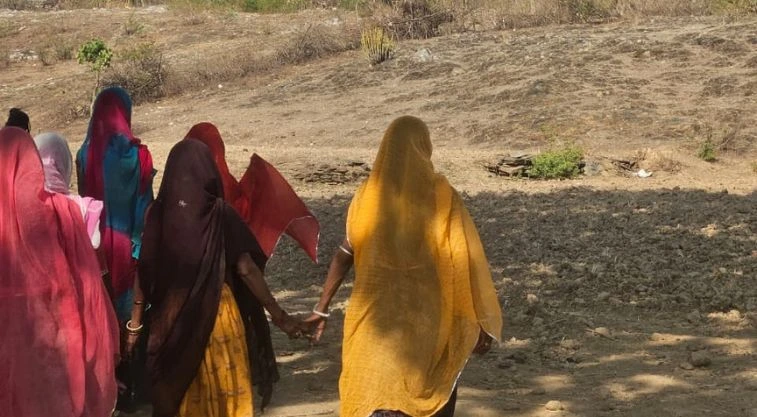
ಕೆಲಸಕ್ಕಾಗಿ ಅರ್ಜಿ ಸಲ್ಲಿಸುವ ಪ್ರಕ್ರಿಯೆಗೆ ಕಡಿವಾಣ ಬಿದ್ದರೆ, ಕೆಲಸದ ಸ್ವರೂಪ ಬದಲಾದರೆ ಅಥವಾ ಸ್ಥಳೀಯ ಮಟ್ಟದಲ್ಲಿ ಹೊಣೆಗಾರಿಕೆ ದುರ್ಬಲಗೊಂಡರೆ, ತಮ್ಮ ಆದಾಯದ ಮೇಲೆ ಮನೆಯೊಳಗೆ ನಿರ್ಧಾರ ಕೈಗೊಳ್ಳುವ ಸಾಮರ್ಥ್ಯ ಹಾಗೂ ವರ್ಷಗಳ ಕಾಲ ಬಲಗೊಂಡಿರುವ ಗ್ರಾಮ ಪಂಚಾಯಿತಿ ಮತ್ತು ಸರ್ಕಾರಿ ಯೋಜನೆಗಳ ಮೇಲಿನ ತಮ್ಮ ಸಾಮೂಹಿಕ ಪ್ರವೇಶಾಧಿಕಾರ – ಇವೆಲ್ಲವೂ ದುರ್ಬಲಗೊಳ್ಳಬಹುದು ಎಂದು ಮಹಿಳೆಯರು ಆತಂಕಗೊಂಡಿದ್ದಾರೆ.
ಕೆಲಸದ ಬಜೆಟ್, ಆದ್ಯತೆಗಳು ಮತ್ತು ಅವುಗಳ ಅನುಷ್ಠಾನಕ್ಕೆ ಸಂಬಂಧಿಸಿದ ನಿರ್ಧಾರಗಳನ್ನು ಸ್ಥಳೀಯ ಸಮುದಾಯವು ತೆಗೆದುಕೊಳ್ಳುವ ಬದಲು, ಅವು ಹೆಚ್ಚು ಹೆಚ್ಚು ಕೇಂದ್ರೀಕೃತವಾಗುತ್ತವೆ ಎಂಬ ಕಳವಳವನ್ನೂ ಅವರು ವ್ಯಕ್ತಪಡಿಸಿದರು. ಸಬ್ಲಾ ಪ್ರದೇಶದ ಸಂಘಟನೆಯ ನಾಯಕಿಯೊಬ್ಬರಾದ ಗೌರಿ* ಅವರು ಇದನ್ನು ಹೀಗೆ ವಿವರಿಸಿದರು: “ಇನ್ನು ಮುಂದೆ ನನ್ನ ಮನೆಯಲ್ಲಿರುವ ಒಲೆ [ಮಣ್ಣಿನ ಒಲೆ] ಉರಿಯಬೇಕೋ ಬೇಡವೋ ಎಂಬುದನ್ನು ದೆಹಲಿಯಲ್ಲಿ ಕುಳಿತಿರುವವರೇ ನಿರ್ಧರಿಸುತ್ತಾರೆ.”
ಜುಲೈ 1, 2026 ರಂದು VB-G RAM G ಕಾಯ್ದೆಯು ಜಾರಿಗೆ ಬಂದಿರುವುದರಿಂದ, ಕೇಂದ್ರ ಪ್ರಶ್ನೆಯೆಂದರೆ ಮಹಿಳೆಯರು ಉದ್ಯೋಗವನ್ನು ಪಡೆಯುವುದನ್ನು ಮುಂದುವರಿಸುತ್ತಾರೆಯೇ ಎಂಬುದು ಮಾತ್ರವಲ್ಲ. ಅವರು ಪಂಚಾಯಿತಿಯನ್ನು ಹೇಗೆ ಹೊಣೆಗಾರರನ್ನಾಗಿ ಮಾಡುವುದು, ನ್ಯಾಯಯುತ ವೇತನಕ್ಕಾಗಿ ಮಾತುಕತೆ ನಡೆಸುವುದು, ಪರಸ್ಪರ ಬೆಂಬಲಿಸುವುದು ಮತ್ತು ತಮ್ಮ ಮನೆಯ ಮಿತಿಗಳನ್ನು ಮೀರಿ ಗುರುತನ್ನು ನಿರ್ಮಿಸುವುದನ್ನು ಕಲಿಯುತ್ತಿದ್ದ ಸಾರ್ವಜನಿಕ ಮತ್ತು ಪ್ರಜಾಪ್ರಭುತ್ವದ ಸ್ಥಳಗಳನ್ನು ಅವರು ಉಳಿಸಿಕೊಳ್ಳುತ್ತಾರೆಯೇ ಎಂಬುದು ಕೂಡ ಆಗಿದೆ.
*ಗೌಪ್ಯತೆಯನ್ನು ಕಾಪಾಡಲು ಹೆಸರುಗಳನ್ನು ಬದಲಾಯಿಸಲಾಗಿದೆ.
ಈ ಲೇಖನವನ್ನು Shabd AI ಅನುವಾದಿಸಿ ಪರಿಶೀಲಿಸಿದೆ.
—
ಇನ್ನಷ್ಟು ತಿಳಿಯಿರಿ
- MGNREGA ವಿಸರ್ಜನೆಯು ಗ್ರಾಮೀಣ ಮಹಿಳೆಯರ ಮೇಲೆ ಏಕೆ ಅಸಮಾನವಾಗಿ ಪರಿಣಾಮ ಬೀರುತ್ತದೆ ಎಂಬುದರ ಕುರಿತು ಇನ್ನಷ್ಟು ತಿಳಿಯಿರಿ.
- MGNREGA ಭಾರತದಲ್ಲಿ ವಲಸೆ ಮತ್ತು ಕಾರ್ಮಿಕ ಮಾರುಕಟ್ಟೆಯ ಗತಿಶೀಲತೆಯನ್ನು ಹೇಗೆ ಬದಲಾಯಿಸಿತು ಎಂಬುದನ್ನು ಓದಿ.