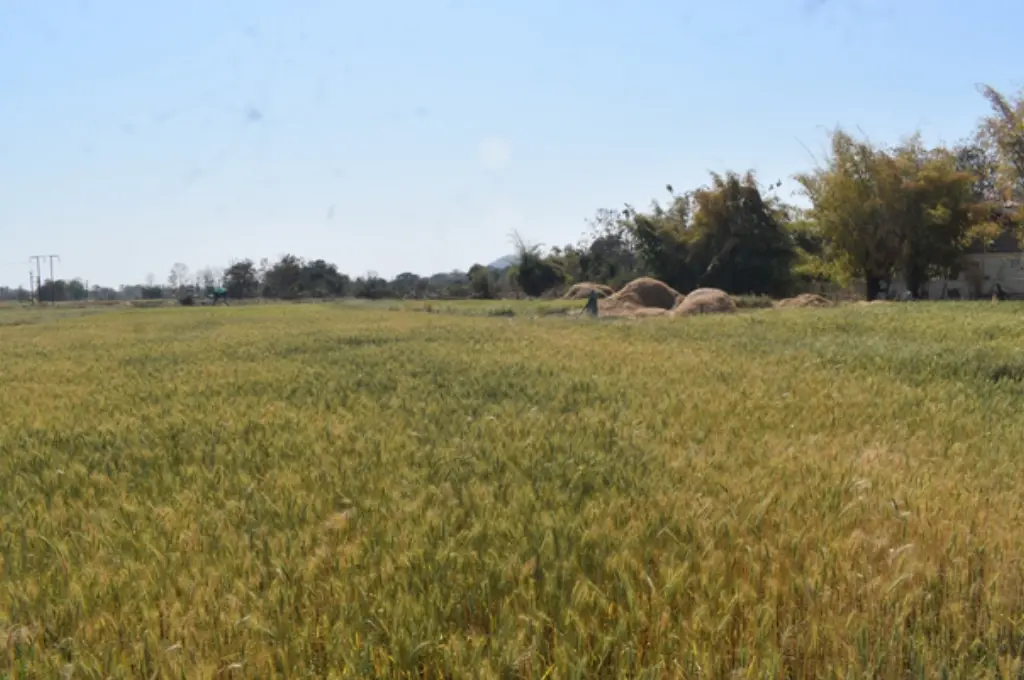
ಕಳೆದ ನಾಲ್ಕು ವರ್ಷಗಳಿಂದ, ಪೆಂಚ್ ಟೈಗರ್ ರಿಸರ್ವ್ದ (ಮಧ್ಯಪ್ರದೇಶ ಮತ್ತು ಮಹಾರಾಷ್ಟ್ರವನ್ನು ವ್ಯಾಪಿಸಿದೆ) ಬಫರ್ ಮತ್ತು ಕೋರ್ ಝೋನ್ಗಳ ನಡುವಿನ ಗಡಿಯಲ್ಲಿರುವ ಆರು ಹಳ್ಳಿಗಳು ಕಾಡುಗಳಲ್ಲಿನ ಪ್ರಾಣಿಗಳ ಶ್ರೀಮಂತ ವೈವಿಧ್ಯತೆಯನ್ನು ನೋಡಲು ಬರುವ ವನ್ಯಜೀವಿ ಪ್ರವಾಸಿಗರಿಗೆ ಪ್ರಮುಖ ಆಕರ್ಷಣೆಯಾಗಿದೆ. ಪ್ರವಾಸಿಗರಿಗೆ, ಈ ಸ್ಥಳವು ಸ್ವರ್ಗಕ್ಕಿಂತ ಕಡಿಮೆಯಿಲ್ಲ. ಆದರೆ ಸ್ಥಳೀಯರಿಗೆ, ಇಲ್ಲಿ ವಾಸಿಸುವುದು ಎಂದರೆ ಅವರ ದೈನಂದಿನ ಜೀವನ ಮತ್ತು ಜೀವನೋಪಾಯದ ಮೇಲೆ ತೂಗಾಡುತ್ತಿರುವ ಕಾಡು ಪ್ರಾಣಿಗಳ ಬೆದರಿಕೆಯನ್ನು ನಿರಂತರವಾಗಿ ಎದುರಿಸುವುದು.
ಸಿಲಾರಿ ಗ್ರಾಮದ ರೈತ ಶ್ಯಾಮ್ಲಾಲ್ ಚಮಾ ಹಿರ್ಪಾಜಿ, ತಮ್ಮ ಜೀವನ ಮತ್ತು ಜೀವನೋಪಾಯವು ಹತ್ತಿರದ ಅರಣ್ಯದೊಂದಿಗೆ ಎಷ್ಟು ಆಳವಾಗಿ ಸಂಬಂಧ ಹೊಂದಿದೆ ಎಂಬುದನ್ನು ವಿವರಿಸುತ್ತಾರೆ. “ನಾನು ಸಂಪೂರ್ಣವಾಗಿ ನನ್ನ ಹೊಲವನ್ನು ಅವಲಂಬಿಸಿದ್ದೇನೆ, ಅದು ಮೀಸಲು ಪ್ರದೇಶದ ಕೋರ್ ವಲಯದ ಗಡಿಗೆ ಬಹಳ ಹತ್ತಿರದಲ್ಲಿದೆ. ನನ್ನ ಭೂಮಿಯಲ್ಲಿ ಉತ್ತಮ ನೀರಿನ ಲಭ್ಯತೆ ಇದೆ, ಆದ್ದರಿಂದ ಸಾಮಾನ್ಯ ಸಂದರ್ಭಗಳಲ್ಲಿ, ನಾನು ನನ್ನ ಮೂರು ಎಕರೆ ಭೂಮಿಯನ್ನು ಸುಲಭವಾಗಿ ಬೆಳೆಸಬಹುದು ಮತ್ತು ಎರಡಕ್ಕಿಂತ ಹೆಚ್ಚು ಬೆಳೆಗಳನ್ನು ಬೆಳೆಯಬಹುದು. ಆದರೆ ಈಗ, ಕಾಡು ಪ್ರಾಣಿಗಳು ಮತ್ತೆ ಮತ್ತೆ ಹೊಲಕ್ಕೆ ಪ್ರವೇಶಿಸಿ ನಾನು ಬೆಳೆದ ಯಾವುದೇ ಬೆಳೆಯನ್ನು ತುಳಿದು ನಾಶಮಾಡುವುದರಿಂದ ನನ್ನ ಪೂರ್ಣ ಭೂಮಿಯನ್ನು ನಾನು ಬಳಸಲು ಸಾಧ್ಯವಿಲ್ಲ.”
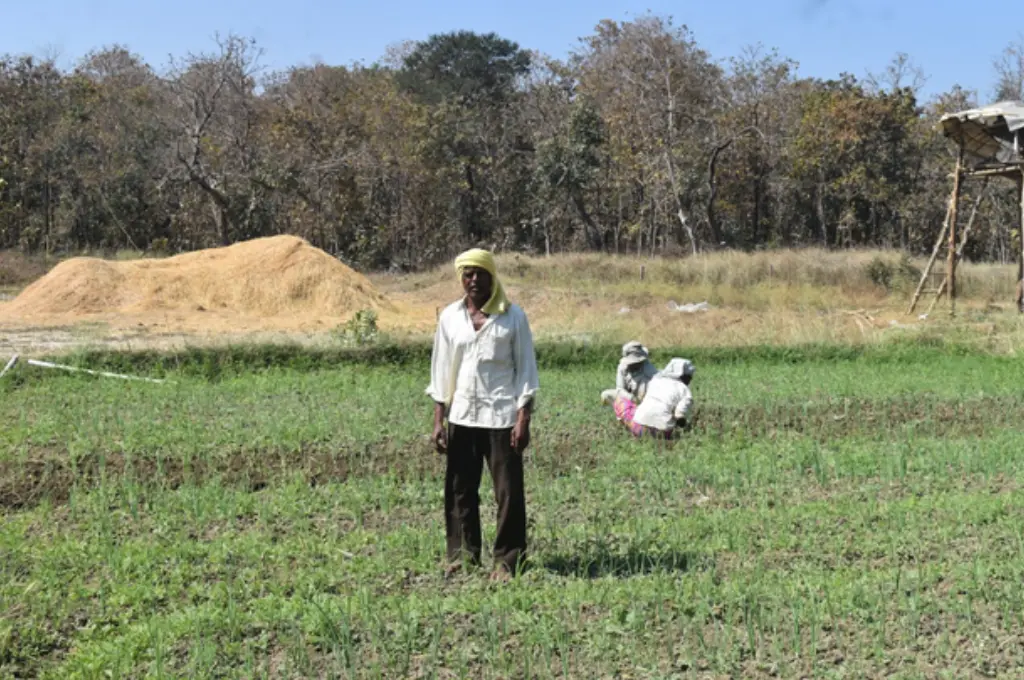
ಶ್ಯಾಮ್ಲಾಲ್ ಈಗ ತಮ್ಮ ಕುಟುಂಬದ ಜೀವನ ನಿರ್ವಹಣೆಗೆ ಅಗತ್ಯವಿರುವಷ್ಟು ಭೂಮಿಯಲ್ಲಿ ಮಾತ್ರ ಕೃಷಿ ಮಾಡುತ್ತಾರೆ. “ನಾನು ಈಗ ಕೇವಲ ಎರಡು ಎಕರೆ ಜಮೀನಿನಲ್ಲಿ ಬೆಳೆ ಬೆಳೆಯುತ್ತೇನೆ” ಎಂದು ಅವರು ಹೇಳುತ್ತಾರೆ.

ದಿ ಮಚನ್
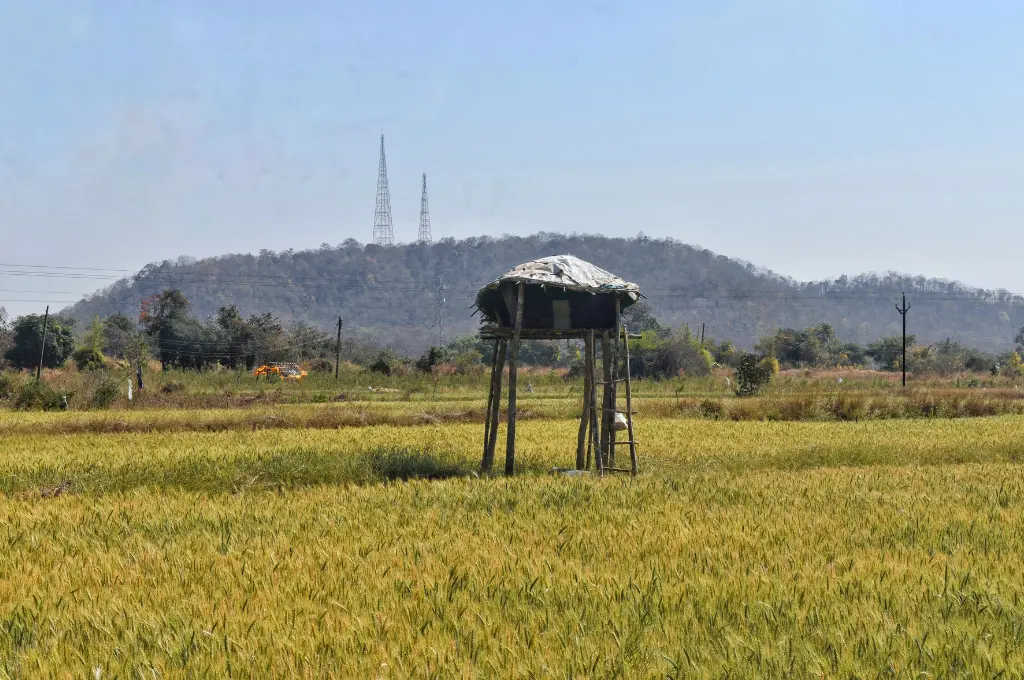
ಕಾಡು ಪ್ರಾಣಿಗಳಿಂದ ತಮ್ಮ ಬೆಳೆಗಳನ್ನು ರಕ್ಷಿಸಿಕೊಳ್ಳಲು, ರೈತರು ಬಹಳ ಹಿಂದಿನಿಂದಲೂ ಸಾಂಪ್ರದಾಯಿಕ ವಿಧಾನವನ್ನು ಅವಲಂಬಿಸಿದ್ದರು: ತಮ್ಮ ಹೊಲಗಳಲ್ಲಿ ಮಚನ್ (ಎತ್ತರದ ಮರದ ಕಂಬಗಳ ಮೇಲೆ ಬಿದಿರಿನ ಗುಡಿಸಲು) ನಿರ್ಮಿಸುವುದು. ಅವರು ಈ ಮಚನ್ ಗಳ ಮೇಲೆ ಇಡೀ ರಾತ್ರಿಗಳನ್ನು ಕಳೆದರು, ತಮ್ಮ ಬೆಳೆಗಳನ್ನು ಕಾಯುತ್ತಿದ್ದರು. ಆದರೆ ಹೊಲಗಳಿಗೆ ಕಾಡು ಪ್ರಾಣಿಗಳು ಪ್ರವೇಶಿಸುವ ಆವರ್ತನ ಹೆಚ್ಚುತ್ತಿದ್ದಂತೆ, ಹೆಚ್ಚಿನ ಗ್ರಾಮಸ್ಥರು ಅಂತಿಮವಾಗಿ ರಾತ್ರಿ ಕಾವಲು ಕಾಯುವುದನ್ನು ನಿಲ್ಲಿಸಿದರು.
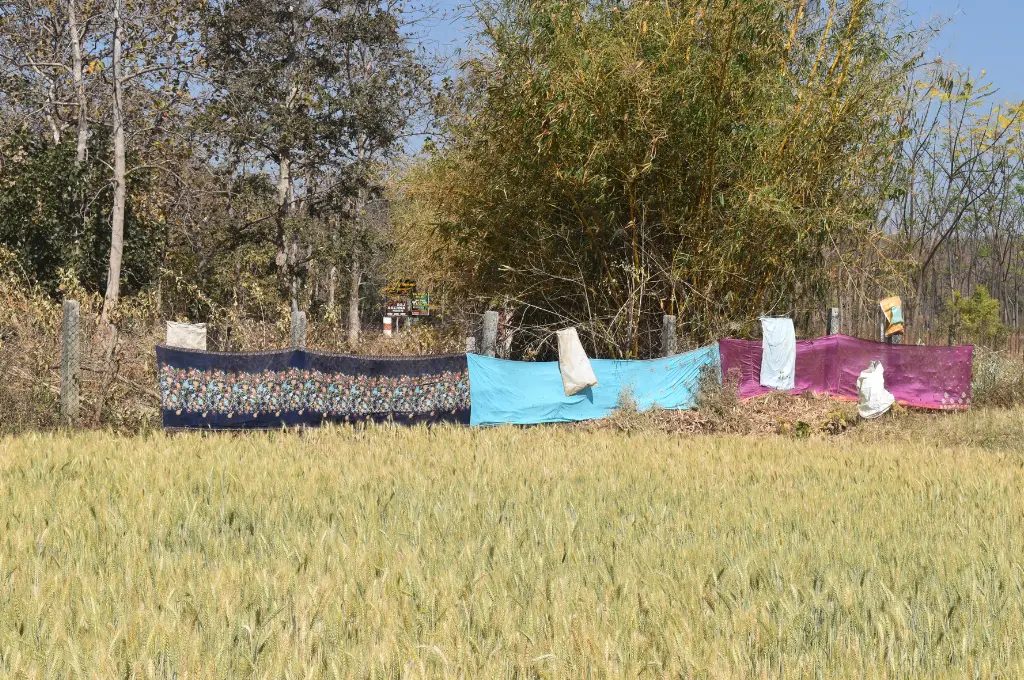
ಕೆಲವು ರೈತರು ಇನ್ನೊಂದು ವಿಧಾನಕ್ಕೆ ತಿರುಗಿದರು: ತಮ್ಮ ಹೊಲಗಳ ಸುತ್ತಲಿನ ಬೇಲಿ ಮೂಲಕ ವಿದ್ಯುತ್ ಪ್ರವಾಹವನ್ನು ಹರಿಸುವುದು. ಆದರೆ ಇದು ತನ್ನದೇ ಆದ ಅಪಾಯಗಳನ್ನು ಹೊಂದಿತ್ತು – ಕೆಲವೊಮ್ಮೆ ಜೀವಂತ ತಂತಿಗಳು ಪ್ರಾಣಿಗಳನ್ನು ಮಾತ್ರವಲ್ಲದೆ ರೈತರನ್ನೂ ಸಹ ಕೊಲ್ಲುತ್ತಿದ್ದವು.
ದಿ ಲೈಟ್
ಆರು ಹಳ್ಳಿಗಳ ಕೆಲವು ರೈತರು 2022ರಿಂದ ಸೌರಶಕ್ತಿಯಿಂದ ಚಲಿಸುವ LED ತಡೆ ಸಾಧನಗಳನ್ನು ಬಳಸುತ್ತಿದ್ದಾರೆ. ಸಿಲಾರಿಯ ಶಿವದಾಸ್ ಕುಡ್ವಟೆ ಹೀಗೆ ಹೇಳುತ್ತಾರೆ: “ನನ್ನ ಜಮೀನು ಅರಣ್ಯದ ಪಕ್ಕದಲ್ಲೇ ಇದೆ. ಹಲವು ವರ್ಷಗಳ ಕಾಲ ನಾವು ಕಾಡುಪ್ರಾಣಿಗಳಿಂದ ತೀವ್ರ ತೊಂದರೆ ಅನುಭವಿಸಿದ್ದೆವು. ಸುಮಾರು ಮೂರು ವರ್ಷಗಳ ಹಿಂದೆ, ನಮಗೆ ‘ಸತ್ಪುಡಾ ಫೌಂಡೇಶನ್‘ (ಒಂದು ಲಾಭರಹಿತ ಸಂಸ್ಥೆ) ವತಿಯಿಂದ ಈ ದೀಪಗಳು ದೊರೆತವು. ಅಂದಿನಿಂದ, ನಾವು ಕಾಡುಪ್ರಾಣಿಗಳ ಕಾಟದಿಂದ ಮುಕ್ತರಾಗಿದ್ದೇವೆ.”
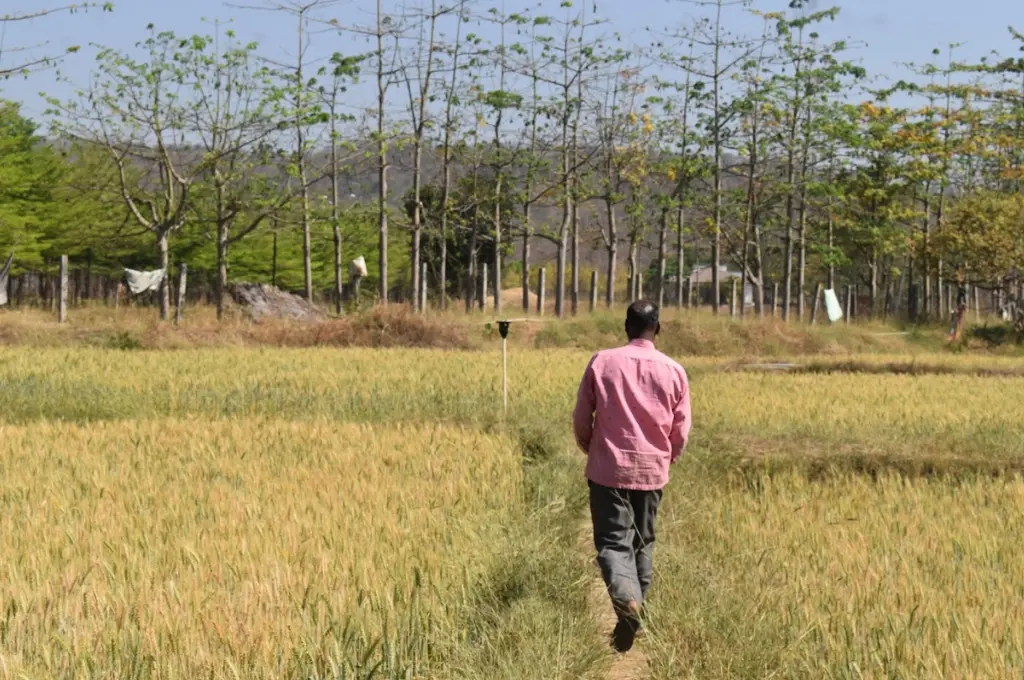
“ನನ್ನ ಐದು ಎಕರೆ ಜಮೀನಿನಲ್ಲಿ ನಾನು ಭತ್ತ, ಹತ್ತಿ, ತೊಗರಿ, ಕಡಲೆ ಮತ್ತು ಗೋಧಿಯನ್ನು ಬೆಳೆಯುತ್ತೇನೆ. ಹಿಂದೆ ಜಿಂಕೆ, ಸಾಂಬಾರ್ ಜಿಂಕೆ, ನೀಲ್ಗಾಯ್ ಮತ್ತು ಕಾಡುಹಂದಿಗಳು ನನ್ನ ಜಮೀನಿಗೆ ಹೆಚ್ಚಿನ ಸಂಖ್ಯೆಯಲ್ಲಿ ನುಗ್ಗುತ್ತಿದ್ದವು. ಆದರೆ ಈ ದೀಪಗಳನ್ನು ಅಳವಡಿಸಿದಾಗಿನಿಂದ, ರಾತ್ರಿಯ ವೇಳೆ ಕಾಡುಪ್ರಾಣಿಗಳು ಜಮೀನಿಗೆ ಬರುವುದು ಬಹುತೇಕ ನಿಂತುಹೋಗಿದೆ.”
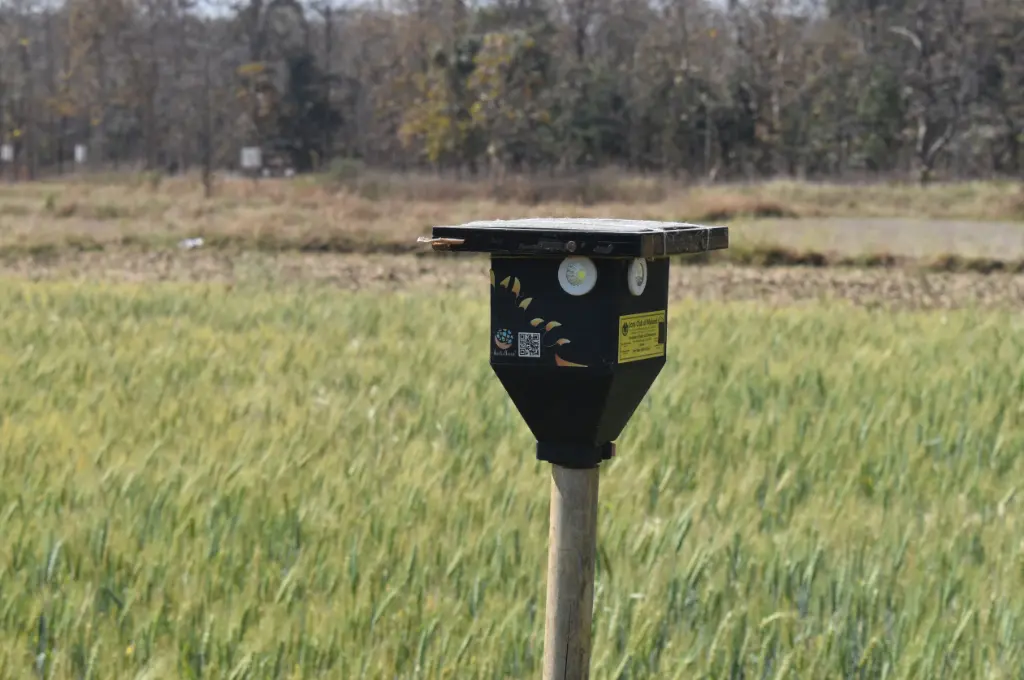
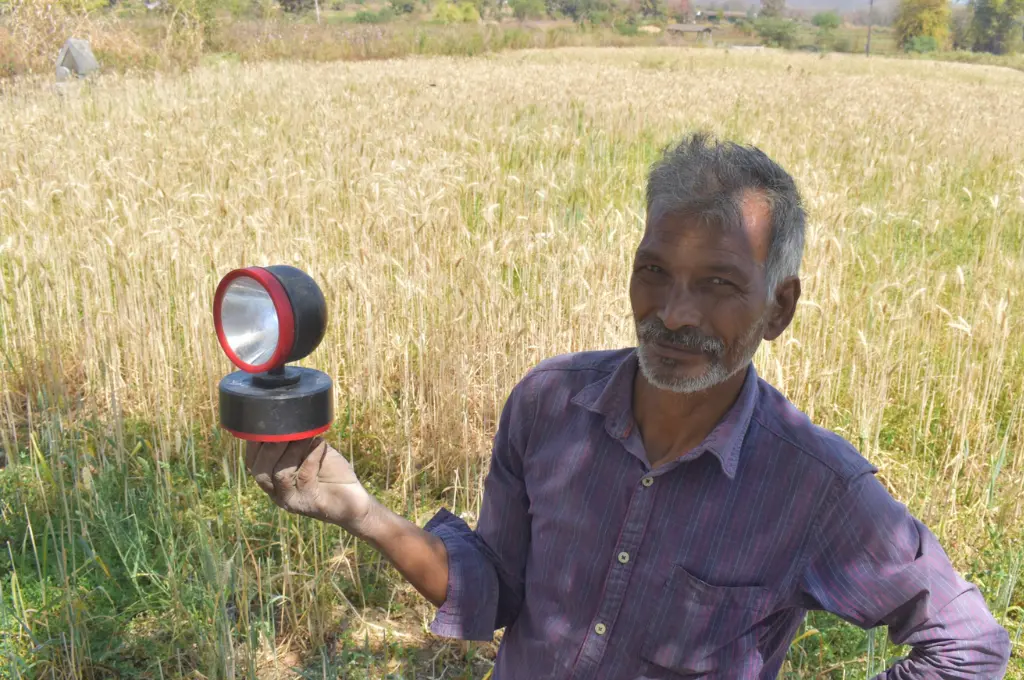
ಅವರು ಉಲ್ಲೇಖಿಸುತ್ತಿರುವ ದೀಪವನ್ನು ಪರಬ್ರಕ್ಷ ಎಂದು ಕರೆಯಲಾಗುತ್ತದೆ – ನಾಲ್ಕು LED ದೀಪಗಳು ಮತ್ತು ಸಣ್ಣ ಸೌರ ಫಲಕದಿಂದ ಶಕ್ತಿಯನ್ನು ಸಂಗ್ರಹಿಸುವ ಲಿಥಿಯಂ-ಐಯನ್ ಬ್ಯಾಟರಿಯನ್ನು ಅಳವಡಿಸಲಾದ ಸಾಧನ. ಕಂಬ ಅಥವಾ ಮರದ ಕಂಬಕ್ಕೆ ಕಟ್ಟಿದರೆ, ಅದು 250 ಮೀಟರ್ ವರೆಗೆ ಬೆಳಕನ್ನು ಹೊರಸೂಸುತ್ತದೆ, ಕಾಡು ಪ್ರಾಣಿಗಳಿಗೆ ಮಾನವ ಉಪಸ್ಥಿತಿಯ ಅನಿಸಿಕೆ ನೀಡುತ್ತದೆ. ಒಂದು ದೀಪವು ಪರಿಣಾಮಕಾರಿಯಾಗಿ ಒಂದು ಹೆಕ್ಟೇರ್ ಅನ್ನು ಆವರಿಸುತ್ತದೆ. ಡಾ. ಶ್ಯಾಮಪ್ರಸಾದ್ ಮುಖರ್ಜಿ ಜನ್-ವಾನ್ ವಿಕಾಸ್ ಯೋಜನೆಯಡಿಯಲ್ಲಿ, ರೈತರು ಈ ದೀಪಗಳನ್ನು ಅಳವಡಿಸಲು ಶೇಕಡಾ 75 ರಷ್ಟು ಸಬ್ಸಿಡಿಯನ್ನು ಪಡೆಯುತ್ತಾರೆ.

ದಿ ಚೇಂಜ್
ಪ್ರತಿಯೊಬ್ಬ ರೈತನಿಗೂ ದೀಪಗಳು ಸಿಕ್ಕಿಲ್ಲ, ಮತ್ತು ಪ್ರತಿಯೊಬ್ಬ ರೈತನಿಗೂ ಅವು ಕೆಲಸ ಮಾಡುತ್ತವೆ ಎಂದು ಮನವರಿಕೆಯಾಗಿಲ್ಲ. ವಾಘೋಲಿ ಗ್ರಾಮದ ರೈತ ಕಾಶಿ ರಾಮ್ ಟೆಕಾವ್, “ನಮ್ಮ ಹಳ್ಳಿಯೊಳಗೆ ಕಾಡು ಪ್ರಾಣಿಗಳು ಭಯ ಹುಟ್ಟಿಸಿವೆ. ನಮಗೆ ಮೂರು ಎಕರೆ ಕೃಷಿ ಭೂಮಿ ಇದೆ, ಆದರೆ ಈ ಪ್ರಾಣಿಗಳಿಂದಾಗಿ ಬೆಳೆಗಳು ನಾಶವಾಗುತ್ತಿವೆ. ಸರ್ಕಾರವಾಗಲಿ ಅಥವಾ ಬೇರೆ ಯಾರೂ ನಮ್ಮ ಬೆಳೆಗಳನ್ನು ಕಾಪಾಡಲು ದೀಪಗಳು ಅಥವಾ ಉಪಕರಣಗಳನ್ನು ಒದಗಿಸುವುದಿಲ್ಲ. ದೀಪಗಳು ಈ ಪ್ರಾಣಿಗಳ ಮೇಲೆ ಯಾವುದೇ ಪರಿಣಾಮ ಬೀರುವುದಿಲ್ಲ” ಎಂದು ಹೇಳುತ್ತಾರೆ.
ವಾಘೋಲಿಯ ಮತ್ತೊಬ್ಬ ರೈತ ರಘುನಾಥ್ ಗಂಗಾರಾಮ್ ದುರ್ವೆ ಕೂಡ ಇದೇ ರೀತಿಯ ಹತಾಶೆಯನ್ನು ಹಂಚಿಕೊಳ್ಳುತ್ತಾರೆ. “ನಾವು ಮೂವರು ಸಹೋದರರು ಹತ್ತು ಎಕರೆ ಕೃಷಿ ಭೂಮಿಯನ್ನು ಹಂಚಿಕೊಂಡಿದ್ದೇವೆ, ಮತ್ತು ದೊಡ್ಡ ಸಮಸ್ಯೆ ಕಾಡು ಪ್ರಾಣಿಗಳು. ಸಾಂಬಾರ್ ಮತ್ತು ಚಿರತೆಗಳು ಹಗಲು ರಾತ್ರಿ ಹೊಲಗಳಿಗೆ ಪ್ರವೇಶಿಸುತ್ತವೆ. ಬೆಳೆಗಳನ್ನು ರಕ್ಷಿಸಲು ನಮ್ಮಲ್ಲಿ ಶಾಕ್ ಮಷೀನ್ ಗಳಿವೆ, ಆದರೆ ಪ್ರಾಣಿಗಳು ತುಂಬಾ ಬುದ್ಧಿವಂತವಾಗಿವೆ, ಅವು ತಂತಿಗಳನ್ನು ಮುರಿದು ಒಳಗೆ ಹೋಗುತ್ತವೆ. ನಮಗೆ ಇನ್ನೂ ಸೌರ LED ನಿರೋಧಕಗಳು ಬಂದಿಲ್ಲ. ನಾವು 17 ಚೀಲಗಳನ್ನು ನಿರೀಕ್ಷಿಸಿದ್ದ ನಮ್ಮ ಭತ್ತದ ಗದ್ದೆಗಳಲ್ಲಿ, ನಮಗೆ ಕೇವಲ ಐದು ಮಾತ್ರ ಸಿಕ್ಕಿತು.”
ದೀಪಗಳನ್ನು ಪಡೆದವರಿಗೆ, ಸವಾಲುಗಳು ಉಳಿದಿವೆ. ಪಿಪರಿಯಾ ಗ್ರಾಮದ ರೈತ ದಿಲೀಪ್ ವಾಡ್ಕೆ (60) ಹೇಳುತ್ತಾರೆ, “ಮೊದಲು ನನಗೆ ಸತ್ಪುಡಾ ಫೌಂಡೇಶನ್ ಒದಗಿಸಿದ ಒಂದು ಸೌರ LED ದೀಪವಿತ್ತು, ಆದರೆ ಅದು ಕೆಲಸ ಮಾಡುವುದನ್ನು ನಿಲ್ಲಿಸಿತು. ಹೊಸ ಸೌರ ದೀಪವನ್ನು ಖರೀದಿಸುವುದು ತುಂಬಾ ದುಬಾರಿಯಾಗಿದೆ – ಇದರ ಬೆಲೆ ಸುಮಾರು 10,000 ರೂ. – ಆದ್ದರಿಂದ ನಾನು ಚೈನೀಸ್ ದೀಪವನ್ನು ಖರೀದಿಸಿದೆ. ಇದು ತುಂಬಾ ಅಗ್ಗವಾಗಿದೆ, ಕೇವಲ 500 ರೂ.ಗಳಿಗೆ ಲಭ್ಯವಿದೆ. ಒಂದೇ ವ್ಯತ್ಯಾಸವೆಂದರೆ ನಾನು ಈ ಚೈನೀಸ್ ದೀಪವನ್ನು ಪ್ರತಿದಿನ ಮನೆಯಲ್ಲಿ ಚಾರ್ಜ್ ಮಾಡಬೇಕು, ಆದರೆ ಸೌರ ದೀಪಕ್ಕೆ ಪ್ರತ್ಯೇಕವಾಗಿ ಶುಲ್ಕ ವಿಧಿಸುವ ಅಗತ್ಯವಿಲ್ಲ. ” ಚೈನೀಸ್ ದೀಪಗಳನ್ನು ಖರೀದಿಸಲು ಪ್ರಯತ್ನಿಸುವ ರೈತರು ಅವುಗಳನ್ನು ಖರೀದಿಸಲು ನಾಗ್ಪುರಕ್ಕೆ ಪ್ರಯಾಣಿಸುತ್ತಾರೆ. ಒಮ್ಮೆ ಖರೀದಿಸಿದ ನಂತರ, ಅವರ ಹಳ್ಳಿಗಳಲ್ಲಿ ನಿರ್ವಹಣೆ ಅಥವಾ ಬೆಂಬಲಕ್ಕಾಗಿ ಯಾವುದೇ ಸೌಲಭ್ಯವಿಲ್ಲ.
ವಾಡ್ಕೆಯಂತಹ ರೈತರ ಅನುಭವವು ಈ ಪರಿಹಾರದ ವಿಶ್ವಾಸಾರ್ಹತೆಗೆ ಸಂಬಂಧಿಸಿದ ಒಂದು ದೊಡ್ಡ ಪ್ರಶ್ನೆಯತ್ತ ಗಮನ ಸೆಳೆಯುತ್ತದೆ. ನಾಗ್ಪುರದ ಪೌನಿ ಪ್ರಾದೇಶಿಕ ಅರಣ್ಯ ವಲಯದ ಅರಣ್ಯ ಅಧಿಕಾರಿ ಸಾಗರ್ ಬನ್ಸೋಡೆ ಹೀಗೆ ಹೇಳುತ್ತಾರೆ: “ಮಾನವ-ವನ್ಯಜೀವಿ ಸಂಘರ್ಷವನ್ನು ತಗ್ಗಿಸಲು ನಾವು ಕೇವಲ ಒಂದೇ ವಿಧಾನವನ್ನು ಅವಲಂಬಿಸಲು ಸಾಧ್ಯವಿಲ್ಲ. ಸೌರಶಕ್ತಿ ಚಾಲಿತ LED ಸಾಧನಗಳು ಸಹಕಾರಿಯಾಗಿದ್ದರೂ, ಅವು ಸಂಪೂರ್ಣ ಪರಿಹಾರವಲ್ಲ. ಈ ಸಾಧನಗಳು ಹೇಗೆ ಕಾರ್ಯನಿರ್ವಹಿಸುತ್ತವೆ ಮತ್ತು ಅವುಗಳ ಮಿತಿಗಳೇನು ಎಂಬುದನ್ನು ಜನರು ಅರ್ಥಮಾಡಿಕೊಳ್ಳುವಂತೆ ಮಾಡಲು ನಾವು ಹಳ್ಳಿಗಳಲ್ಲಿ ಜಾಗೃತಿ ಮೂಡಿಸಬೇಕಾಗಿದೆ.”
ವನ್ಯಜೀವಿ ಸಂಶೋಧಕ ನಿಶಿಕಾಂತ್ ಕಾಲೆ ಒಂದು ನಿರ್ದಿಷ್ಟ ದುರ್ಬಲ ಕೊಂಡಿಯನ್ನು ಸೂಚಿಸುತ್ತಾರೆ: ಬ್ಯಾಟರಿಗಳು. ಅನೇಕ ಘಟಕಗಳು ಆರು ತಿಂಗಳೊಳಗೆ ಮುರಿದುಹೋಗುತ್ತವೆ, ರೈತರು ರಾತ್ರಿಯಿಡೀ ಹೊಲಗಳನ್ನು ಕಾವಲು ಕಾಯಲು ಅಥವಾ ನಿರಂತರ ದುರಸ್ತಿ ಮತ್ತು ಬದಲಿ ವೆಚ್ಚಗಳನ್ನು ಎದುರಿಸಲು ಬಿಡುತ್ತವೆ. “ನಾವು ಈ ಸೌರ ದೀಪಗಳಿಗೆ ಉತ್ತಮ-ಗುಣಮಟ್ಟದ ಬ್ಯಾಟರಿಗಳಲ್ಲಿ ಹೂಡಿಕೆ ಮಾಡಿದರೆ, ಅವು ವಿಶ್ವಾಸಾರ್ಹ, ದೀರ್ಘಕಾಲೀನ ಸಾಧನಗಳಾಗಿ ಕಾಡು ಜಾನುವಾರುಗಳಿಂದ ಬೆಳೆಗಳನ್ನು ರಕ್ಷಿಸಲು ಸಹಾಯ ಮಾಡುತ್ತವೆ. ಬ್ಯಾಟರಿಗಳ ಜೀವಕಾಲವನ್ನು ಹೆಚ್ಚಿಸಲು ಸ್ವಲ್ಪ ಹೆಚ್ಚಿನ ಮುಂಗಡ ವೆಚ್ಚವು ರೈತರ ನಂಬಿಕೆಯನ್ನು ಪುನಃಸ್ಥಾಪಿಸುತ್ತದೆ ಮತ್ತು ಸೌರ ತಂತ್ರಜ್ಞಾನವು ನಿಜವಾಗಿಯೂ ರಾತ್ರಿಯಲ್ಲಿ ಹೊಲಗಳನ್ನು ರಕ್ಷಿಸಲು ಅನುವು ಮಾಡಿಕೊಡುತ್ತದೆ.”
ಈ ಲೇಖನದ ಒಂದು ಆವೃತ್ತಿಯನ್ನು ಬೈಮನಸ್ ನಲ್ಲಿ ಮೊದಲು ಪ್ರಕಟಿಸಲಾಗಿದೆ.
ಈ ಲೇಖನವನ್ನು Shabd AI ಅನುವಾದಿಸಿ ಪರಿಶೀಲಿಸಿದೆ.
—
ಇನ್ನಷ್ಟು ತಿಳಿಯಿರಿ
- ಹವಾಮಾನ ಬದಲಾವಣೆಯು ಮಾನವ-ವನ್ಯಜೀವಿ ಸಂಘರ್ಷವನ್ನು ಹೇಗೆ ಹೆಚ್ಚಿಸಿದೆ ಎಂಬುದನ್ನು ತಿಳಿಯಿರಿ.
- ಮಾನವ-ವನ್ಯಜೀವಿ ಸಂಘರ್ಷವನ್ನು ಎದುರಿಸಲು ವಿವಿಧ ರಾಜ್ಯಗಳು ಹೇಗೆ ಕೆಲಸ ಮಾಡುತ್ತಿವೆ ಎಂಬುದರ ಬಗ್ಗೆ ಇನ್ನಷ್ಟು ಓದಿ.