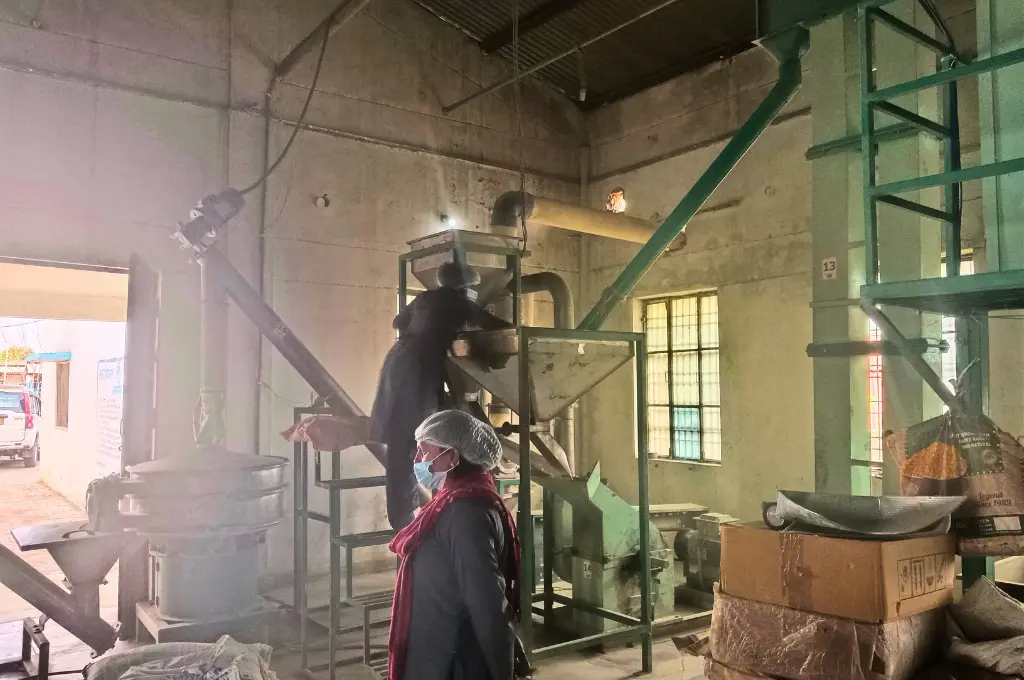
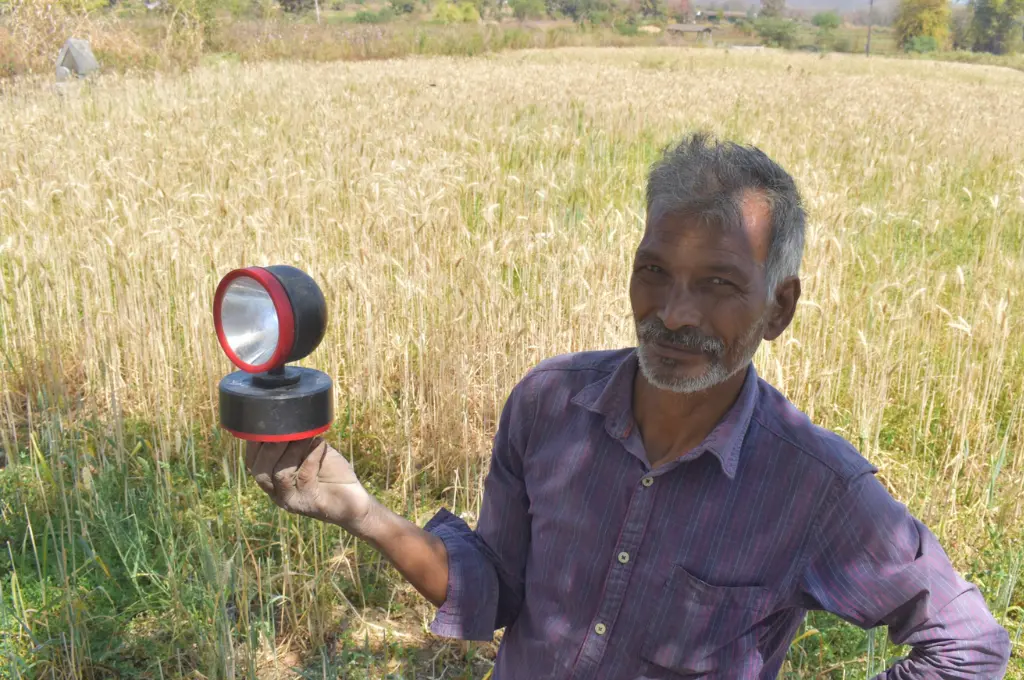
ಮಮಿತ್ ಮಿಜೋರಂನ ಒಂದು ಗುಡ್ಡಗಾಡು ಜಿಲ್ಲೆಯಾಗಿದ್ದು, ಸುಮಾರು 8,000 ಜನರಿಗೆ ನೆಲೆಯಾಗಿದೆ ಮತ್ತು ರಾಜ್ಯ ರಾಜಧಾನಿ ಐಜ್ವಾಲ್ನಿಂದ ಸುಮಾರು 110 ಕಿಲೋಮೀಟರ್ ದೂರದಲ್ಲಿದೆ. ತಲೆಮಾರುಗಳಿಂದ, ಅದರ ಸಮುದಾಯಗಳು—ಪ್ರಾಥಮಿಕವಾಗಿ ಮಿಜೊ ಮತ್ತು ಬ್ರೂ—ಸ್ಥಿರ ಮಳೆ, ಕಡಿಮೆ ಉತ್ಪಾದನಾ ವೆಚ್ಚ ಮತ್ತು ರಾಸಾಯನಿಕ ಗೊಬ್ಬರಗಳ ಮೇಲೆ ಅವಲಂಬನೆ ಕಡಿಮೆ ಅಥವಾ ಯಾವುದೇ ಅವಲಂಬನೆಯಿಂದ ಬೆಂಬಲಿತವಾದ ಜುಮ್ ಅಥವಾ ಸ್ಥಳಾಂತರ ಕೃಷಿಯ ಮೂಲಕ ಈ ಭೂಪ್ರದೇಶವನ್ನು ಕೃಷಿ ಮಾಡುತ್ತಿವೆ. ಜುಮ್ ಕೇವಲ ಒಂದು ಕೃಷಿ ತಂತ್ರವಲ್ಲ ಆದರೆ ಕ್ಯಾಲೆಂಡರ್, ಸಮುದಾಯ ಆಚರಣೆ ಮತ್ತು ಪೀಳಿಗೆಯಿಂದ ಕುಟುಂಬಗಳಲ್ಲಿ ರವಾನಿಸಲಾದ ಪರಿಸರ ಜ್ಞಾನದ ಜೀವಂತ ಭಂಡಾರವಾಗಿದೆ.
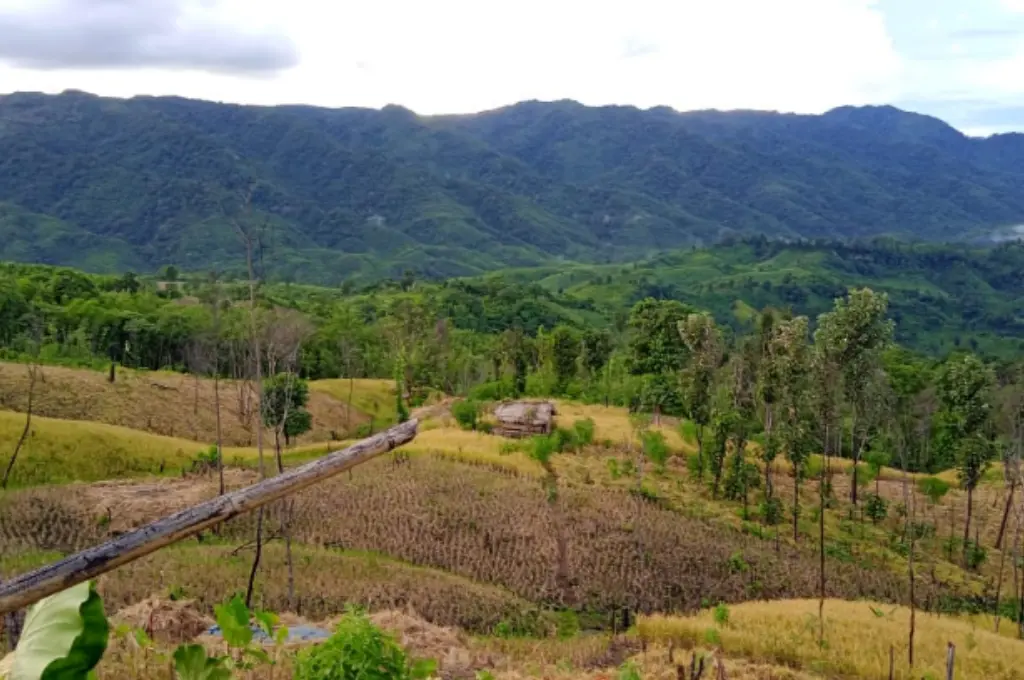
ದಶಕದ ಹಿಂದಿನವರೆಗೂ ಈ ವ್ಯವಸ್ಥೆ ಕೆಲಸ ಮಾಡುತ್ತಿತ್ತು. ಮಳೆ ಸಮಯಕ್ಕೆ ಸರಿಯಾಗಿ ಬಂತು, ಫಸಲುಗಳು ವಿಶ್ವಾಸಾರ್ಹವಾಗಿದ್ದವು ಮತ್ತು ಕುಟುಂಬಗಳು ತಿನ್ನಲು ಮತ್ತು ಸಂಗ್ರಹಿಸಲು ಸಾಕಷ್ಟು ಬೆಳೆದವು, ರಾಸಾಯನಿಕ ಒಳಹರಿವಿನ ಅಗತ್ಯವೂ ಕಡಿಮೆ ಇತ್ತು. ನಂತರ, 2016-17ರ ಸುಮಾರಿಗೆ, ಪರಿಸ್ಥಿತಿ ಬದಲಾಗತೊಡಗಿತು.
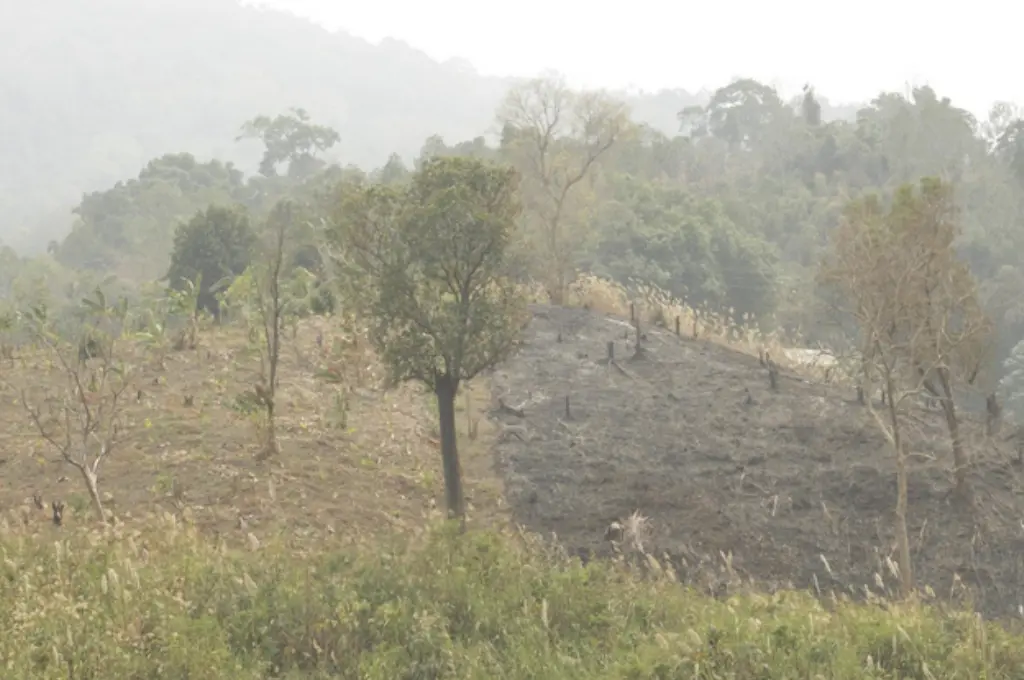
ಕಳೆದ ದಶಕದಲ್ಲಿ, ಜುಮ್ ಅವಲಂಬಿಸಿರುವ ಸ್ಥಿರತೆ ಕ್ಷೀಣಿಸಲು ಪ್ರಾರಂಭಿಸಿತು. ಮಳೆ ಅನಿರೀಕ್ಷಿತವಾಯಿತು, ಮಣ್ಣಿನ ಸವಕಳಿ ಹೆಚ್ಚಾಯಿತು ಮತ್ತು ಬಿತ್ತನೆ ಮತ್ತು ಕೊಯ್ಲು ಸಮಯ ವಿಶ್ವಾಸಾರ್ಹವಾಗಿ ಉಳಿಯಲಿಲ್ಲ. ಇದನ್ನು ಸರಿದೂಗಿಸಲು, ರೈತರು ರಾಸಾಯನಿಕ ಕೀಟನಾಶಕಗಳತ್ತ ತಿರುಗಬೇಕಾಯಿತು, ಮುಖ್ಯವಾಗಿ ಕೈಯಿಂದ ನಿಯಂತ್ರಿಸಲು ಕಷ್ಟಕರವಾಗಿದ್ದ ಕಳೆಗಳನ್ನು ನಿರ್ವಹಿಸಲು ಮತ್ತು ರಸಗೊಬ್ಬರಗಳಿಗೆ. ಇವುಗಳು ಈ ಹಿಂದೆ ವ್ಯವಸ್ಥೆಗೆ ವಿರಳವಾಗಿ ಅಗತ್ಯವಿದ್ದ ಒಳಹರಿವುಗಳಾಗಿದ್ದವು ಮತ್ತು ಸರ್ಕಾರಿ ಸಬ್ಸಿಡಿ ಇಲ್ಲದೆ ರೈತರೇ ಖರೀದಿಸುತ್ತಿದ್ದರು, ಆದರೂ ಸ್ಪ್ರೇ ಪಂಪ್ಗಳನ್ನು ಕೆಲವೊಮ್ಮೆ ಸಬ್ಸಿಡಿ ದರದಲ್ಲಿ ಲಭ್ಯವಾಗುವಂತೆ ಮಾಡಲಾಗುತ್ತಿತ್ತು.

ಒಂದು ಕಾಲದಲ್ಲಿ ಸಮುದಾಯದ ಅತ್ಯಂತ ವಿಶ್ವಾಸಾರ್ಹ ಮಾರ್ಗದರ್ಶಿಯಾಗಿದ್ದ ಕೃಷಿ ಕ್ಯಾಲೆಂಡರ್ ಅಸ್ತವ್ಯಸ್ತಗೊಳ್ಳಲು ಪ್ರಾರಂಭಿಸಿತು. ಮತ್ತು ಅದರೊಂದಿಗೆ ರೈತರು ನಿರೀಕ್ಷಿಸದ ಆವರ್ತನದ ಬೆದರಿಕೆ ಬಂದಿತು: ಅವರ ಹೊಲಗಳ ಮೇಲೆ ದಂಶಕಗಳ ದಾಳಿ.
ಮಿಜೋರಂನಲ್ಲಿ ಮೂರು ಸಾಮಾನ್ಯ ಬಿದಿರಿನ ಪ್ರಭೇದಗಳಿವೆ, ಪ್ರತಿಯೊಂದೂ ವಿಭಿನ್ನ ಮಧ್ಯಂತರಗಳಲ್ಲಿ ಅರಳುತ್ತವೆ. ಪ್ರತಿ ಐದು ವರ್ಷಗಳಿಗೊಮ್ಮೆ ಒಂದು, ಪ್ರತಿ ಹತ್ತು ವರ್ಷಗಳಿಗೊಮ್ಮೆ ಇನ್ನೊಂದು ಮತ್ತು ಪ್ರತಿ ಇಪ್ಪತ್ತು ವರ್ಷಗಳಿಗೊಮ್ಮೆ ಇನ್ನೊಂದು. ಬಿದಿರು ಹೂಬಿಟ್ಟಾಗ, ಅದು ಹೇರಳವಾಗಿ ಫಲ ನೀಡುತ್ತದೆ, ಇದು ದಂಶಕಗಳ ಸಂಖ್ಯೆಯ ಸ್ಫೋಟಕ್ಕೆ ಕಾರಣವಾಗುತ್ತದೆ. ಹಣ್ಣುಗಳು ಖಾಲಿಯಾದ ನಂತರ, ದಂಶಕಗಳು ಹತ್ತಿರದ ಲಭ್ಯವಿರುವ ಆಹಾರ ಮೂಲಕ್ಕೆ ತಿರುಗುತ್ತವೆ, ಅವು ರೈತರ ಹೊಲಗಳಲ್ಲಿನ ಬೆಳೆಗಳಾಗಿವೆ.
2025 ರಲ್ಲಿ, ಪ್ರತಿ 48 ವರ್ಷಗಳಿಗೊಮ್ಮೆ ಸಂಭವಿಸುವ ಬಂಬುಸಾ ತುಲ್ಡಾ (ಸ್ಥಳೀಯವಾಗಿ ರಾಥಿಂಗ್ ಬಿದಿರು ಎಂದು ಕರೆಯಲಾಗುತ್ತದೆ) ದೊಡ್ಡ ಪ್ರಮಾಣದಲ್ಲಿ ಅರಳುವುದರಿಂದ ಮಿಜೋರಂನಲ್ಲಿ ದಾಳಿ ತೀವ್ರಗೊಂಡಿತು. ಆದರೆ ಮಮಿತ್ನ ರೈತರಿಗೆ, ದಂಶಕಗಳು ಕೃಷಿ ಚಕ್ರದ ಪ್ರತಿಯೊಂದು ಹಂತದಲ್ಲೂ ತಮ್ಮ ಬೆಳೆಗಳಿಗೆ ಹಾನಿ ಮಾಡುವ ಪ್ರಾಣಿಗಳು ಮತ್ತು ಕೀಟಗಳ ವ್ಯಾಪಕ ಬಿಕ್ಕಟ್ಟಿನ ಒಂದು ಭಾಗ ಮಾತ್ರ.
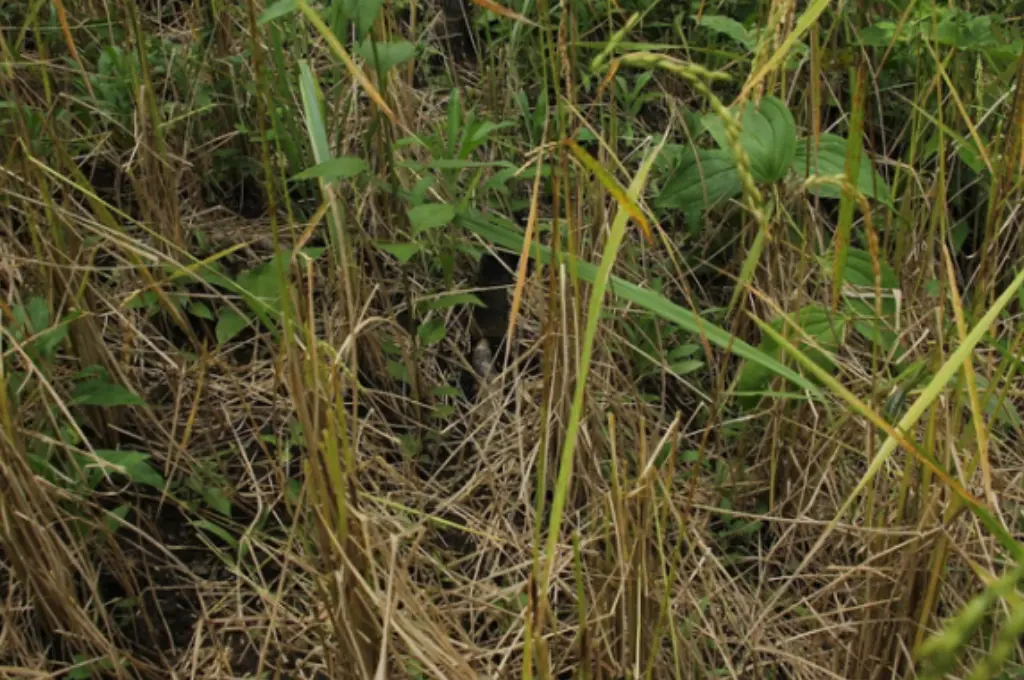
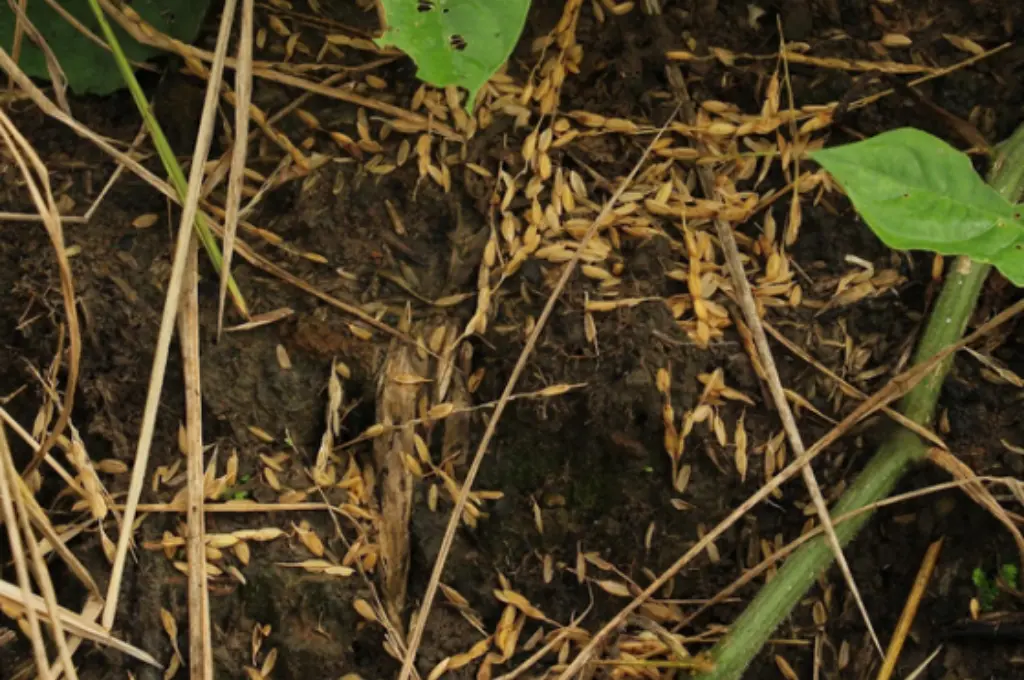
ಸುಮಾರು 158 ಎಕರೆ ಭೂಮಿಯಲ್ಲಿ ಕೃಷಿ ಮಾಡುತ್ತಿರುವ ಸುಮಾರು 800 ಜುಮ್ ರೈತರು ಪರಿಣಾಮ ಬೀರಿದ್ದಾರೆ. ರೈತರು ವಾರ್ಷಿಕ ಸುಮಾರು INR 40,000 ರಷ್ಟು ವಾರ್ಷಿಕ ನಷ್ಟ. ಸುಮಾರು 2 ಬಿಘಾ ಪ್ರದೇಶದ ಸಣ್ಣ ಜಮೀನುಗಳಲ್ಲಿ ಕೃಷಿ ಮಾಡುವವರು ದಾಳಿಯ ನಂತರ ತಮ್ಮ ಉತ್ಪನ್ನದಲ್ಲಿ ಕೇವಲ 10 ರಿಂದ 20 ಪ್ರತಿಶತದಷ್ಟು ಮಾತ್ರ ಉಳಿದಿದ್ದಾರೆ. ಸಂಭಾವ್ಯ ಕ್ಷಾಮದಂತಹ ಪರಿಸ್ಥಿತಿಯ ಬಗ್ಗೆ ರಾಜ್ಯ ಸರ್ಕಾರವನ್ನು ಎಚ್ಚರಿಸುವಷ್ಟು ಹಾನಿಯ ಪ್ರಮಾಣವು ಗಮನಾರ್ಹವಾಗಿತ್ತು.
ಬೆಳೆಗಳು ನಾಶವಾದಾಗ, ರೈತರು ಅರಣ್ಯ ಇಲಾಖೆಗೆ ಹಾನಿಯ ವರದಿ ಮಾಡುತ್ತಾರೆ. “ಈ ಕಾಡು ಪ್ರಾಣಿಗಳು ಬೆಳೆಗಳನ್ನು ನಾಶಮಾಡಿದಾಗ, ನಾವು ಅರಣ್ಯ ಇಲಾಖೆಗೆ ವರದಿ ಮಾಡುತ್ತೇವೆ. ಆದಾಗ್ಯೂ, ವರದಿ ಮಾಡಿದ ನಂತರವೂ ಅದು ನಮಗೆ ಸಹಾಯ ಮಾಡಿಲ್ಲ, ಮತ್ತು ಕುಂದುಕೊರತೆಗಳನ್ನು ಸರಿಯಾಗಿ ಪರಿಹರಿಸಲಾಗಿಲ್ಲ. ಪ್ರತಿ ವರ್ಷ, ಅರಣ್ಯ ಇಲಾಖೆ ಈ ಘಟನೆಗಳನ್ನು ವರದಿ ಮಾಡಲು ನಮ್ಮನ್ನು ವಿನಂತಿಸುತ್ತದೆ, ಮತ್ತು ನಾವು ಮಾಡುತ್ತೇವೆ – ಆದರೆ ಇನ್ನೂ ಯಾವುದೇ ಪರಿಹಾರಕ್ಕಾಗಿ ಕಾಯುತ್ತಿದ್ದೇವೆ” ಎಂದು ಮಮಿತ್ನ ರೈತ ಹೇಳುತ್ತಾರೆ.

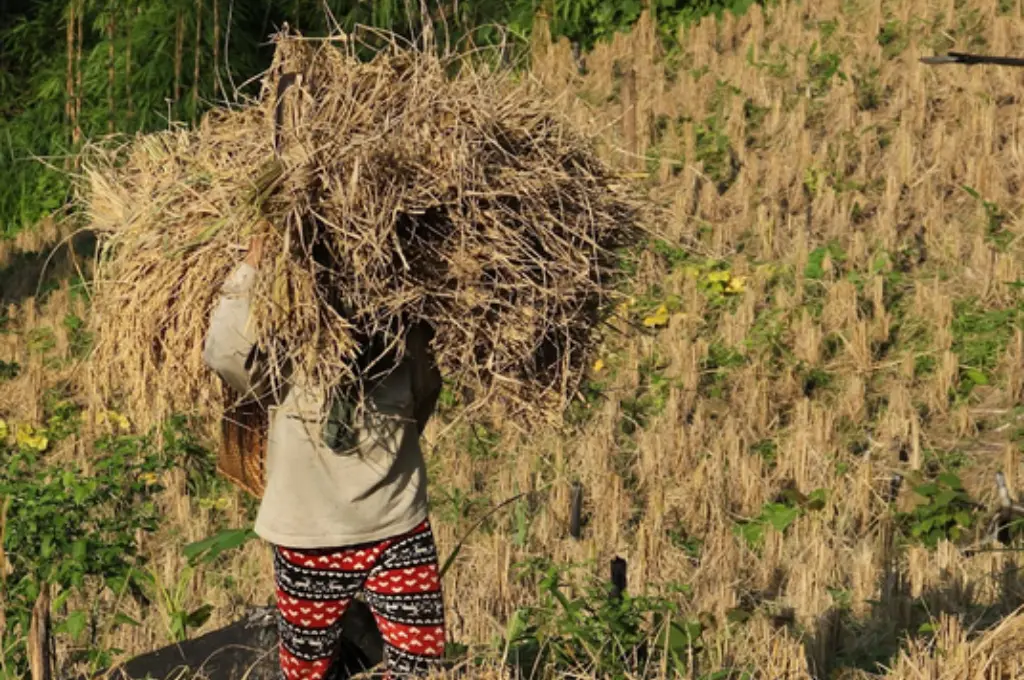
ರೈತ ಕುಟುಂಬಗಳಿಗೆ ಇಳುವರಿ ನಷ್ಟವು ಕೇವಲ ಕೃಷಿ ಅಂಕಿಅಂಶವಲ್ಲ. ಇದು ಆಹಾರದ ಕೊರತೆ, ಸಾಲ ಮತ್ತು ಆರ್ಥಿಕ ಒತ್ತಡವಾಗಿ ಪರಿವರ್ತನೆಗೊಳ್ಳುತ್ತದೆ. ಇದು ಋತುವಿನೊಂದಿಗೆ ಕೊನೆಗೊಳ್ಳುವುದಿಲ್ಲ, ಆದರೆ ಒಂದು ವಿಫಲವಾದ ಕೊಯ್ಲಿನಿಂದ ಮತ್ತೊಂದು ಕೊಯ್ಲಿಗೆ ಸದ್ದಿಲ್ಲದೆ ಹೆಚ್ಚಾಗುತ್ತದೆ.
ತೋಟಗಾರಿಕೆ: ಒಂದು ಪರಿಹಾರ?
ಪದೇ ಪದೇ ಬೆಳೆ ವೈಫಲ್ಯಗಳನ್ನು ಎದುರಿಸುತ್ತಿರುವ ಮಮಿತ್ನ ರೈತರು ಅಡಿಕೆ, ರಬ್ಬರ್ ಮತ್ತು ಎಣ್ಣೆ ತಾಳೆ ಸೇರಿದಂತೆ ಪರ್ಯಾಯ ತೋಟಗಾರಿಕೆ ಬೆಳೆಗಳಿಗೆ ಬದಲಾಯಿಸುತ್ತಿದ್ದಾರೆ. ಇವುಗಳನ್ನು ಹೆಚ್ಚಾಗಿ ಹೆಚ್ಚು ಸ್ಥಿರವಾದ ಆದಾಯದ ಮೂಲಗಳಾಗಿ ನೋಡಲಾಗುತ್ತದೆ. ಸರ್ಕಾರವು ಸಾಂದರ್ಭಿಕವಾಗಿ ರಬ್ಬರ್ ಮತ್ತು ಎಣ್ಣೆ ತಾಳೆಗೆ ಬೀಜಗಳನ್ನು ಒದಗಿಸುತ್ತದೆ, ಆದರೆ ಬೆಂಬಲವು ವಿರಳವಾಗಿ ಈ ಆರಂಭಿಕ ಇನ್ಪುಟ್ ಅನ್ನು ಮೀರಿ ವಿಸ್ತರಿಸುತ್ತದೆ.
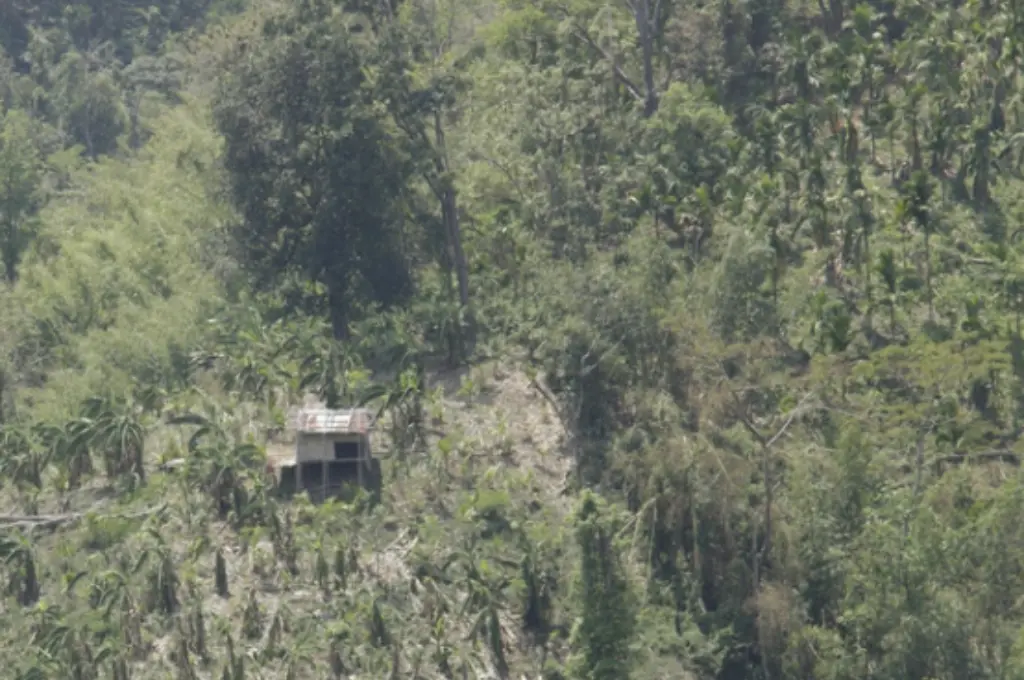
ಈ ಬದಲಾವಣೆಯು ತನ್ನದೇ ಆದ ಸವಾಲುಗಳೊಂದಿಗೆ ಬರುತ್ತದೆ. ಯಾವುದೇ ಆದಾಯವನ್ನು ಗಳಿಸುವ ಮೊದಲು ದೀರ್ಘ ಕಾಯುವ ಅವಧಿಗಳು, ಗಮನಾರ್ಹವಾದ ಮುಂಗಡ ಹಣಕಾಸು ಹೂಡಿಕೆ ಮತ್ತು ಅನೇಕ ಜುಮ್ ರೈತರು ಇನ್ನೂ ಹೊಂದಿರದ ತಾಂತ್ರಿಕ ಜ್ಞಾನದ ಅಗತ್ಯವಿರುತ್ತದೆ. ಮತ್ತು ಇದು ಭೂಮಿಯನ್ನು ಸ್ವತಃ ಸಂಕುಚಿತಗೊಳಿಸುತ್ತಿದೆ. ಒಬ್ಬ ರೈತ ವಿವರಿಸಿದಂತೆ: “ಮೂರು ವರ್ಷಗಳ ನಂತರ ನಾನು ಮತ್ತೆ ಕೃಷಿ ಪ್ರಾರಂಭಿಸಲು ಈ ನಿರ್ದಿಷ್ಟ ಜುಮ್ ಪ್ರದೇಶಕ್ಕೆ ಮರಳಿದ್ದೇನೆ. ಒಂದು ಕೊಯ್ಲಿನ ನಂತರ, ಜುಮ್ ಕೃಷಿಗೆ ಸಾಕಷ್ಟು ಭೂಮಿ ಉಳಿದಿಲ್ಲ ಮತ್ತು ಎಲ್ಲಾ ಸಮುದಾಯ ಕೃಷಿ ಪ್ರದೇಶಗಳು ಈಗಾಗಲೇ ಬಳಕೆಯಲ್ಲಿಲ್ಲದ ಕಾರಣ, ಈ ಪ್ರದೇಶವನ್ನು ಉದ್ಯಾನವನ್ನಾಗಿ ಪರಿವರ್ತಿಸಲು ನಾನು ಯೋಜಿಸುತ್ತೇನೆ.”
ಹೊರಬರಲು ದಾರಿಯೇ ಇಲ್ಲ
ತೋಟಗಾರಿಕೆ ಬೆಳೆಗಳಿಗೆ ಬದಲಾಯಿಸುವುದರಿಂದ ಅದು ಭರವಸೆ ನೀಡಿದ ಸ್ಥಿರತೆಯನ್ನು ನೀಡಲಾಗಿಲ್ಲ. ಅಡಿಕೆ, ರಬ್ಬರ್ ಮತ್ತು ಎಣ್ಣೆ ತಾಳೆ ಹವಾಮಾನ-ಪ್ರೇರಿತ ತೀವ್ರ ಹವಾಮಾನಕ್ಕೆ ಸಮಾನವಾಗಿ ಗುರಿಯಾಗುತ್ತವೆ, ಇದು ಅವುಗಳ ಇಳುವರಿಯನ್ನು ಕಡಿಮೆ ಮಾಡುತ್ತದೆ. ಮತ್ತು ಜುಮ್ ಹೊಲಗಳನ್ನು ಧ್ವಂಸಗೊಳಿಸಿದ ಅದೇ ಸಮಸ್ಯೆಯಾದ ದಂಶಕಗಳು ಸಹ ಯುವ ತೋಟದ ಸಸ್ಯಗಳು ಮತ್ತು ಸಂಗ್ರಹಿಸಿದ ಉತ್ಪನ್ನಗಳನ್ನು ಹಾನಿಗೊಳಿಸುತ್ತವೆ.
ಇದರ ಪರಿಣಾಮವೆಂದರೆ, ಹೊಸ ವ್ಯವಸ್ಥೆಯಲ್ಲಿ ಸಮಯ, ಹಣ ಮತ್ತು ಶ್ರಮವನ್ನು ಹೂಡಿಕೆ ಮಾಡುವ ಮೂಲಕ ಕಷ್ಟಕರವಾದ ಪರಿವರ್ತನೆಯನ್ನು ಸಾಧಿಸುವಲ್ಲಿ ಯಶಸ್ವಿಯಾದ ರೈತರು, ತಾವು ತಪ್ಪಿಸಿಕೊಳ್ಳಲು ಪ್ರಯತ್ನಿಸುತ್ತಿದ್ದ ಅದೇ ಬೆಳೆ ನಷ್ಟ, ಆರ್ಥಿಕ ಒತ್ತಡ ಮತ್ತು ಜೀವನೋಪಾಯದ ಅಭದ್ರತೆಯನ್ನು ಎದುರಿಸುತ್ತಿದ್ದಾರೆ. ತೋಟಗಳು ಮಾತ್ರ ಪರಿಹಾರವಲ್.
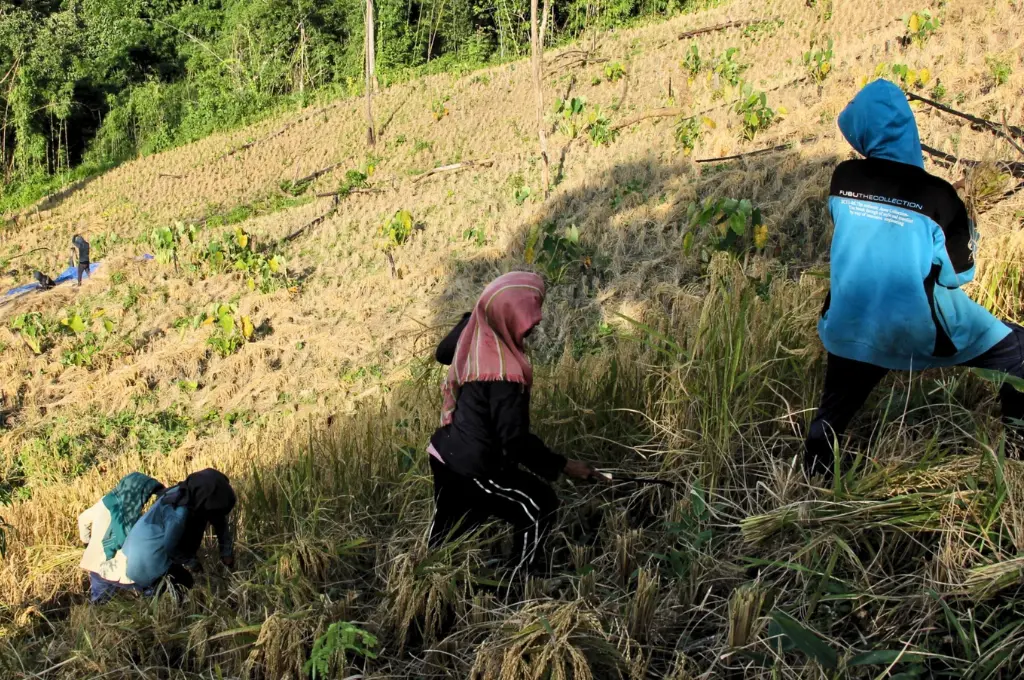
ಮಮಿತ್ನ ರೈತರು ಬೆಳೆ ವೈಫಲ್ಯಕ್ಕೆ ಪರಿಹಾರಕ್ಕಾಗಿ ಅರಣ್ಯ ಇಲಾಖೆಯನ್ನು ಸಂಪರ್ಕಿಸಲು ಪ್ರಾರಂಭಿಸಿದ್ದಾರೆ. ಆದರೆ ಹಲವರಿಗೆ ಬೇರೆ ಏನು ಬೇಡಬೇಕು ಅಥವಾ ಯಾರನ್ನು ಕೇಳಬೇಕು ಎಂದು ತಿಳಿದಿಲ್ಲ. ಅಧಿಕಾರಿಗಳನ್ನು ತಲುಪುವ ಸಾಂದರ್ಭಿಕ ವಿನಂತಿಗಳು ಸಾಧಾರಣವಾಗಿರುತ್ತವೆ: ಎಣ್ಣೆ ತಾಳೆ ಸಂಸ್ಕರಣೆಗೆ ಸಹಾಯ ಅಥವಾ ಮುಂದಿನ ಹಂತಗಳ ಕುರಿತು ಮಾರ್ಗದರ್ಶನ. ಈ ಸಮುದಾಯಗಳನ್ನು ಒಳಗೊಂಡಿರುವ ತಗ್ಗಿಸುವಿಕೆ ಮತ್ತು ಹೊಂದಾಣಿಕೆಗಾಗಿ ದೀರ್ಘಾವಧಿಯ ಯೋಜನೆ ಇನ್ನೂ ಅಸ್ತಿತ್ವದಲ್ಲಿಲ್ಲ.
ಈ ಲೇಖನವನ್ನು Shabd AI ಅನುವಾದಿಸಿ ಪರಿಶೀಲಿಸಿದೆ.
—
ಇನ್ನಷ್ಟು ತಿಳಿಯಿರಿ
- ಬೆಳೆಗಳು, ಆಹಾರ ಭದ್ರತೆ ಮತ್ತು ಸಣ್ಣ ಹಿಡುವಳಿದಾರರ ಜೀವನೋಪಾಯದ ಮೇಲೆ ಹವಾಮಾನ ಬದಲಾವಣೆಯ ಪ್ರಭಾವದ ಕುರಿತು ಇನ್ನಷ್ಟು ಓದಿ.
- ಹವಾಮಾನ ಬದಲಾವಣೆಯು ಮಿಜೋರಂನ ಪರಿಸರ ವ್ಯವಸ್ಥೆಯ ಮೇಲೆ ಹೇಗೆ ಪರಿಣಾಮ ಬೀರುತ್ತಿದೆ ಎಂಬುದರ ಕುರಿತು ಇನ್ನಷ್ಟು ಓದಿ.