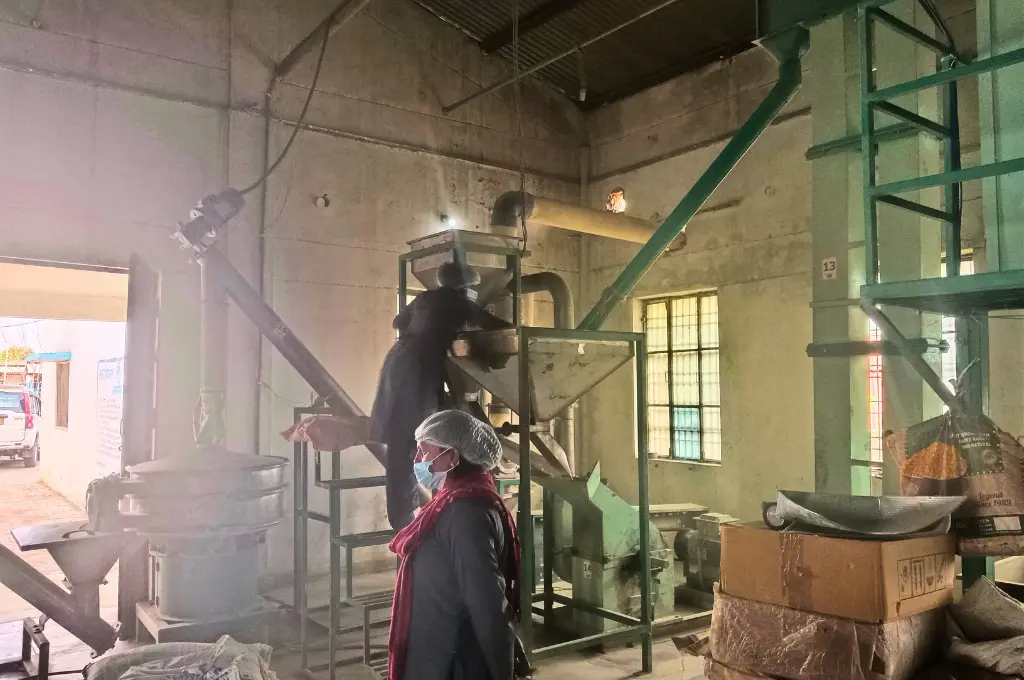
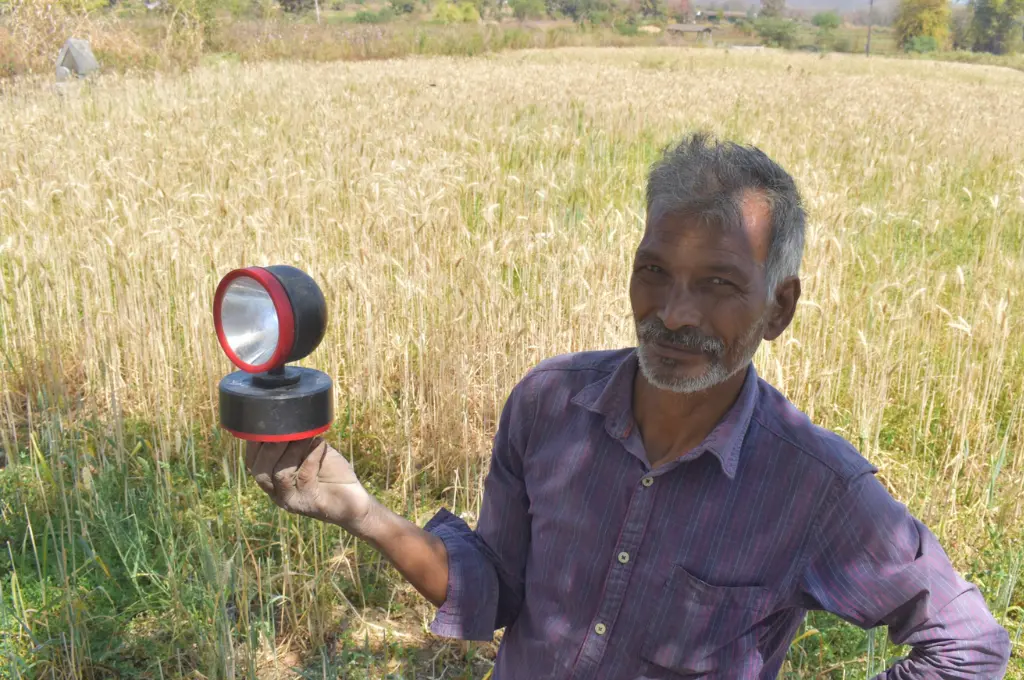
ममित हा मिझोरममधील डोंगराळ जिल्हा आहे, जवळपास 8,000 लोकवस्तीची ही जागा राज्याची राजधानी ऐझ्वाल पासून जवळपास 110 किलोमीटर अंतरावर आहे. अनेक पिढ्यांपासून, येथील समुदाय – मुख्यतः मिझो आणि ब्रु, झूम किंवा स्थानांतरित शेतीद्वारे या जमिनीची मशागत करत आहेत. स्थिर पर्जन्यमान, कमी खर्च आणि रासायनिक खतांवरील अत्यल्प किंवा अजिबात नसलेले अवलंबित्व यांच्या आधारावर ही शेती टिकून राहिली आहे. झूम ही केवळ शेतीची पद्धत नसून कृषी दिनदर्शिका, सामुदायिक परंपरा आणि पिढ्यान् पिढ्या कुटुंबांमधून पुढे आलेल्या पर्यावरणीय ज्ञानाचा जिवंत वारसा आहे.
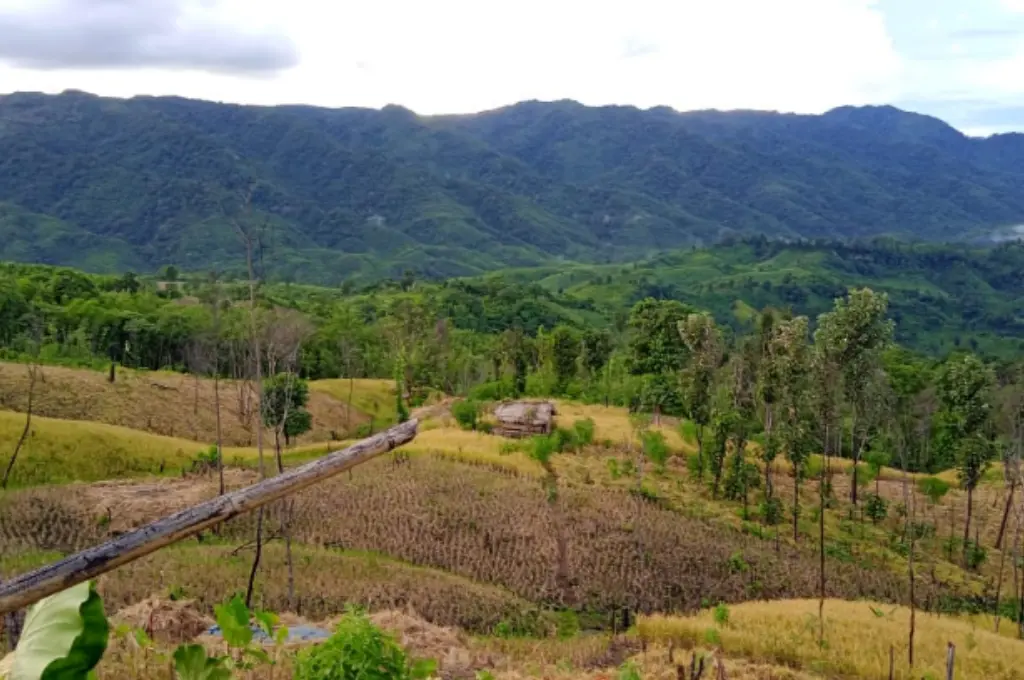
एक दशकापूर्वीपर्यंत या पद्धती चालू होत्या. पाऊस वेळेवर येत होता, कमीत कमी रसायनांचा वापर करून पिक खात्रीशीर मिळत होते आणि कुटुंबाना खाता आणि साठवता येईल इतके धान्य पिकत होते. नंतर, 2016-17 च्या आसपास, गोष्टी बदलायला सुरुवात झाली.
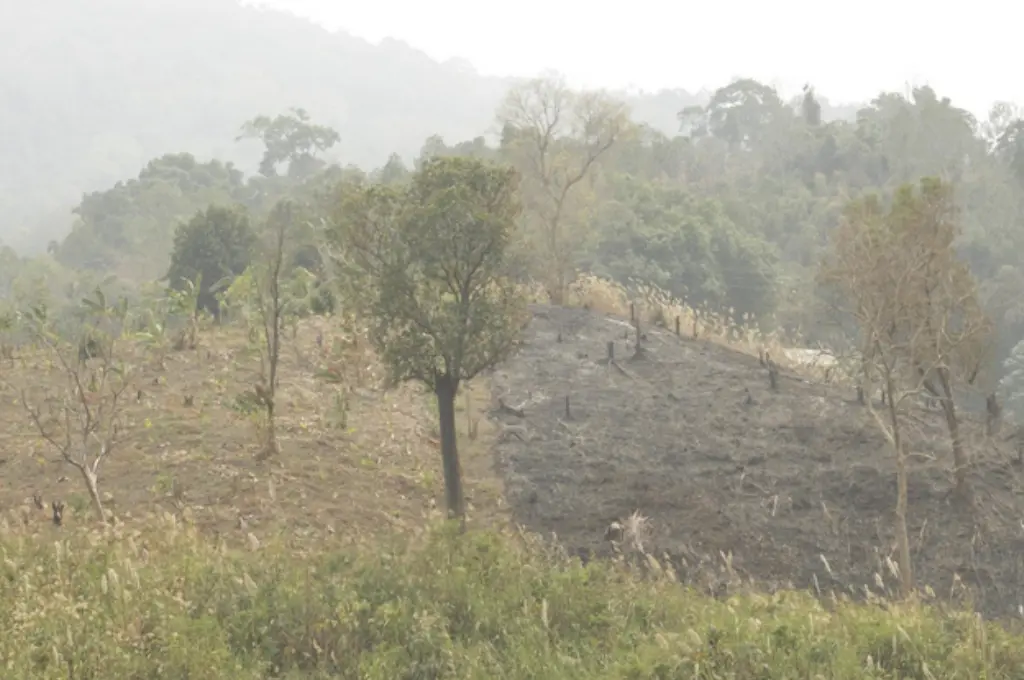
गेल्या दशकात झूम शेती ज्या स्थैर्यावर अवलंबून होती, ते हळूहळू ढासळू लागले. पावसाचे स्वरूप अनिश्चित झाले, जमिनीचा होणारा ऱ्हास वाढला आणि पेरणी व कापणीच्या वेळा अस्थिर झाल्या. या परिस्थितीशी जुळवून घेण्यासाठी, हाताने काढायला कठीण असलेल्या तणांवर नियंत्रण मिळवण्यासाठी रासायनिक कीटकनाशके आणि खतांचा वापर करावा लागला. पूर्वी वापरल्या जाणाऱ्या पद्धतींमध्ये अशा गोष्टींची फारशी गरज नव्हती. या सगळ्या गोष्टी शेतकऱ्यांनी कोणत्याही सरकारी अनुदानाशिवाय स्वतःच्या खर्चाने विकत घेतल्या, जरी काही वेळा सरकारने फवारणी पंप अनुदानित दरात उपलब्ध करून दिले होते.

समुदायासाठी सर्वात विश्वासार्ह मार्गदर्शक असलेली शेतीची दिनदर्शिका हळूहळू कोलमडू लागली. आणि त्याचबरोबर शेतकऱ्यांसमोर एक नवीन संकट वारंवार उभे ठाकू लागले ज्याची त्यांनी कल्पनादेखील केली नव्हती: शेतीवर होणारे उंदरांचे हल्ले.
मिझोरममध्ये साधारणपणे तीन प्रकारचे बांबू आढळतात, प्रत्येकाला वेगवेगळ्या वेळी फुले येतात. एकाला दर पाच वर्षांनी, दुसऱ्याला दर दहा वर्षांनी आणि तिसऱ्याला दर वीस वर्षांनी. जेव्हा बांबूला भरपूर फुले येतात, फळेही भरपूर लागतात, त्यामुळे उंदरांच्या संख्येत प्रचंड वाढ होते. एकदा या फळांची संख्या कमी झाली कि ते उपलब्ध असणाऱ्या जवळच्या अन्नसाठ्याकडे, म्हणजेच शेतकऱ्यांच्या शेतातील पिकांकडे वळतात.
2025 मध्ये, बांबूसा तुलदा (स्थानिक भाषेत ‘रॉथिंग’ बांबू) ला दर 48 वर्षांनी येणाऱ्या मोठ्या प्रमाणातील फुलोऱ्यामुळे मिझोरममध्ये उंदरांच्या हल्ल्यांची तीव्रता वाढली. मात्र ममितमधील शेतकऱ्यांसाठी उंदीर हे खूप मोठे संकट आहेत; शेतीच्या प्रत्येक टप्प्यावर विविध प्राणी आणि कीटक पिकांचे नुकसान करत आहेत.
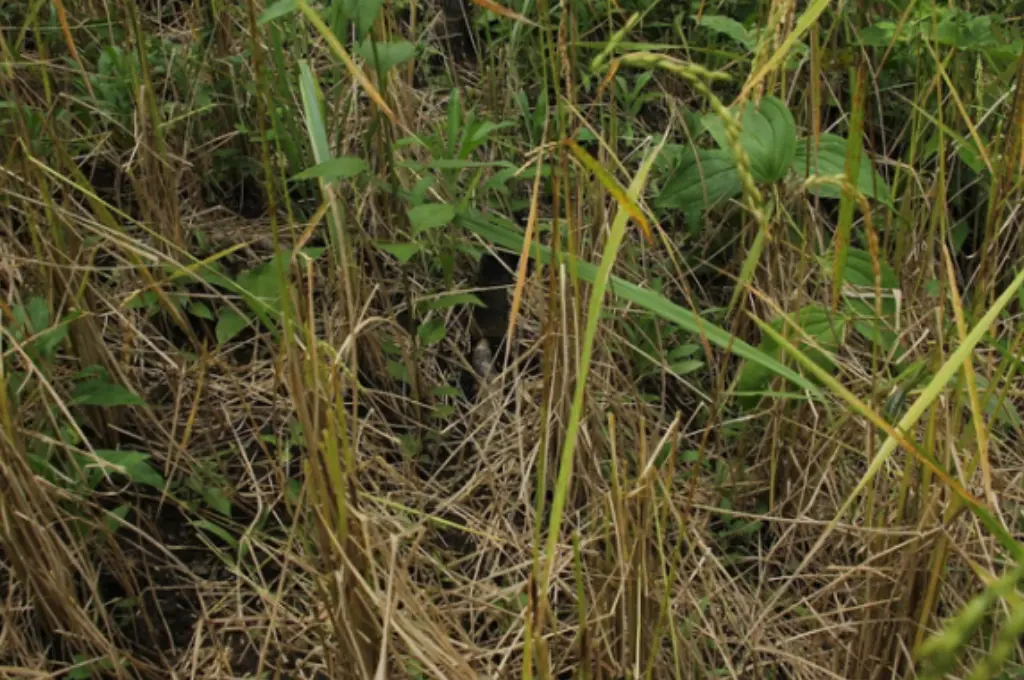
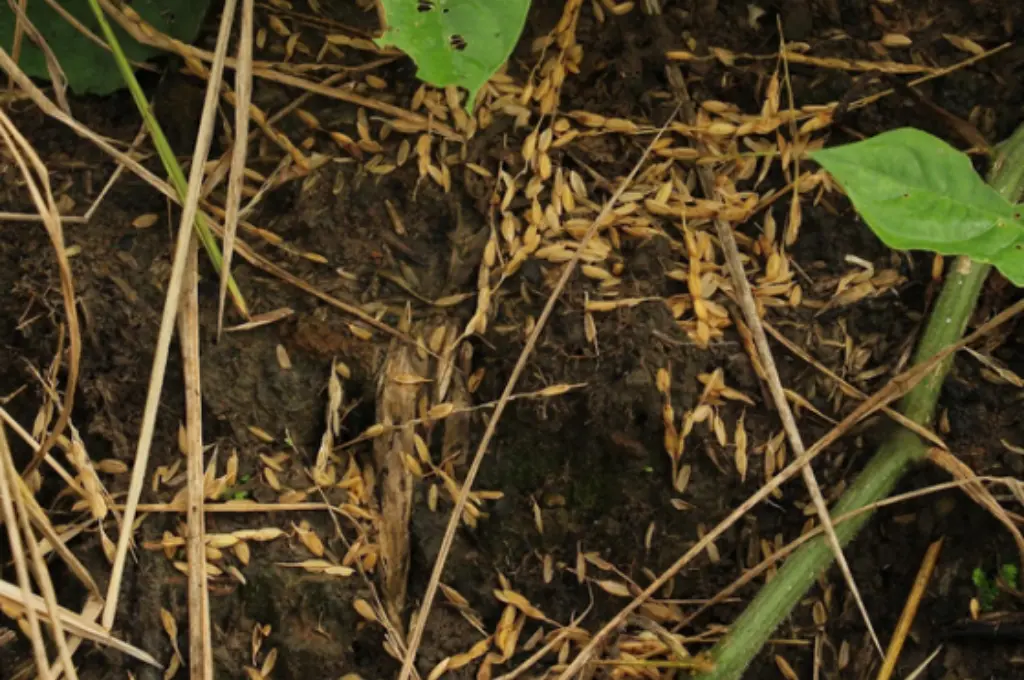
158 एकरात शेती करणाऱ्या जवळपास 800 झूम शेतकऱ्यांवर याचा परिणाम झालेला आहे. शेतकरी वार्षिक 40,000 रुपयांचे नुकसान झाल्याचे सांगत आहेत. सुमारे 2 बिघा इतक्या लहान क्षेत्रावर शेती करणाऱ्या शेतकऱ्यांकडे, हल्ल्यानंतर उत्पादनापैकी केवळ 10 ते 20 टक्केच पिक उरते. या नुकसानीचे प्रमाण इतके गंभीर होते की संभाव्य दुष्काळसदृश परिस्थितीबाबत राज्य सरकारलाही सतर्क व्हावे लागले.
पिक नष्ट झाल्यानंतर शेतकरी या नुकसानीची माहिती वन विभागाला देतात. ममित येथील एका शेतकऱ्याने सांगितले की, “जेव्हा हे वन्य प्राणी पिकांचे नुकसान करतात, तेव्हा आम्ही वन विभागाकडे तक्रार करतो. मात्र तक्रार करूनही आम्हाला कोणतीही मदत मिळालेली नाही आणि आमच्या समस्या योग्य प्रकारे सोडविलेल्या नाहीत. दरवर्षी वन विभाग आम्हाला या घटनांची नोंद करण्यास सांगतो आणि आम्ही ती करतोही—पण उपाययोजनांची अजूनही प्रतीक्षा आहे.”

शेती करणाऱ्या कुटुंबांसाठी पिकातील घट ही केवळ कृषी आकडेवारी नसते. त्याचा परिणाम अन्नटंचाई, कर्जबाजारीपणा आणि आर्थिक तणावाच्या स्वरूपात होतो. हा ताण एका हंगामापुरता मर्यादित राहत नाही, तर एका अपयशी पिकानंतर दुसऱ्या अपयशी पिकासोबत सतत वाढत जातो.
लागवड-आधारित शेतीचा पर्याय
सततच्या पिक नुकसानीला सामोरे जावे लागत असल्याने, ममितमधील शेतकरी सुपारी, रबर आणि तेलपाम यांसारख्या पर्यायी लागवड पिकांकडे वळत आहेत. ही पिके तुलनेने अधिक स्थिर उत्पन्नाचे स्रोत मानली जातात. सरकारकडून कधीकधी रबर आणि तेलपामासाठी बियाणे उपलब्ध करून दिले जाते, मात्र ही मदत बहुतांश वेळा केवळ सुरुवातीपुरतीच मर्यादित असते.
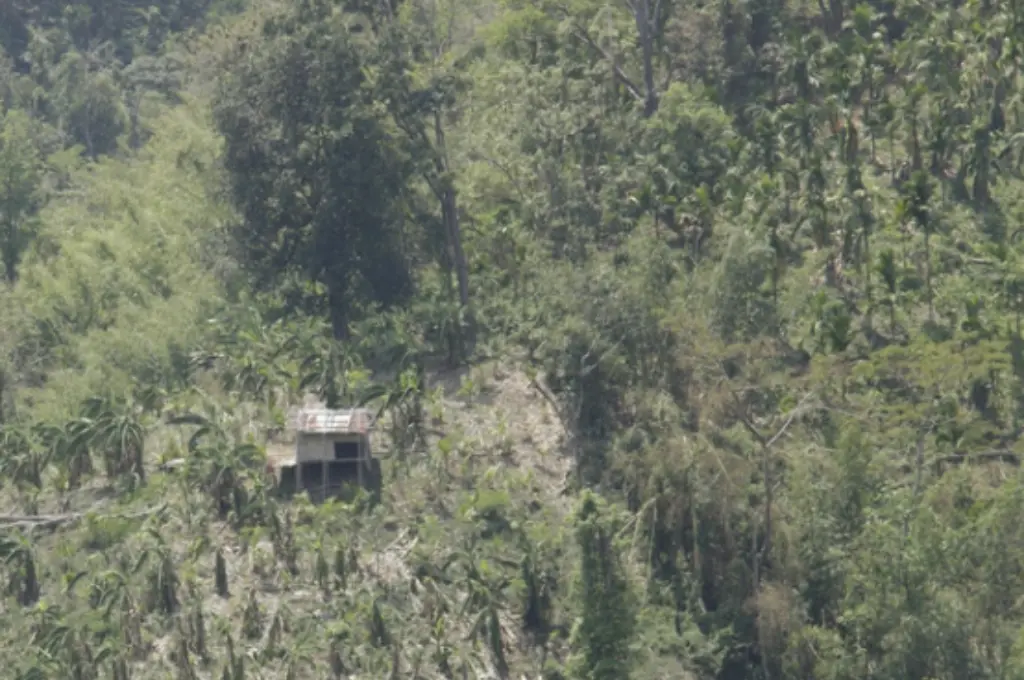
या बदलाबरोबर त्याची वेगळी आव्हाने येत आहेत. उत्पन्न मिळण्याआधी मोठा प्रतीक्षा कालावधी असतो, आर्थिक गुंतवणूक करावी लागते आणि तांत्रिक माहिती आवश्यक असते जी झूम शेतकऱ्यांकडे अद्याप उपलब्ध नाही. आणि त्यामुळे जागा कमी पडत आहे. एका शेतकऱ्याने आम्हाला सांगितले की: “मी या झूम भागाकडे तीन वर्षांपूर्वी शेती करण्यासाठी परत आलो. एकदा पिक घेतल्यानंतर, माझा इथे बाग करण्याचा विचार आहे, कारण झूम शेती करण्यासाठी पुरेशी जागाच उपलब्ध नाही आणि समुदायाची शेतीची जागा आधीच वापरली गेली आहे.”
सुटकेचा मार्गच नाही
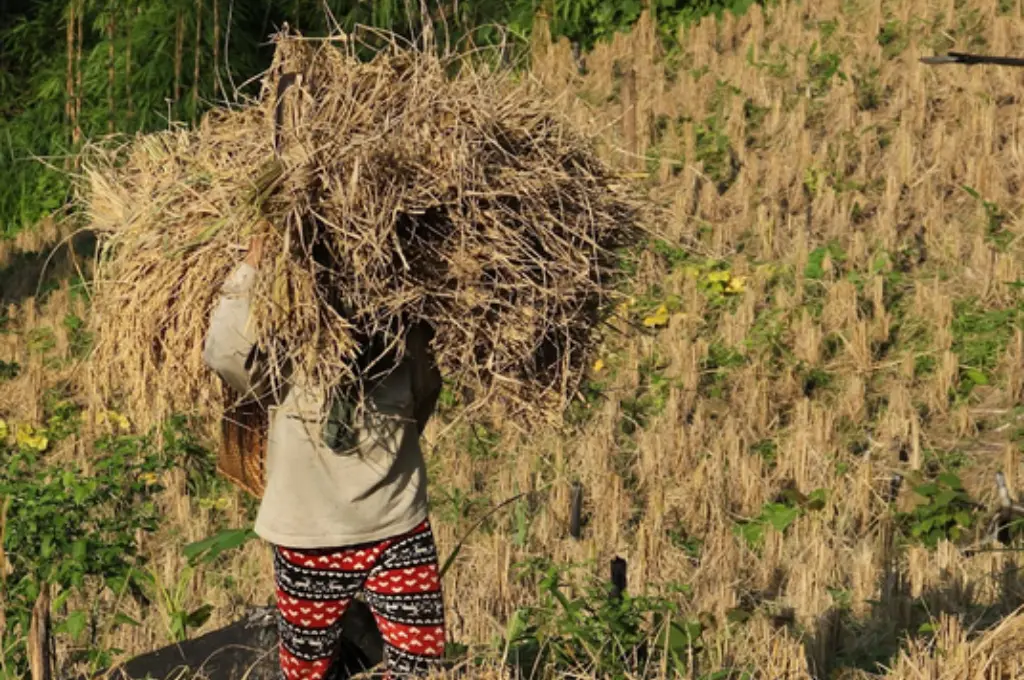
लागवड आधारित पिके घेऊन अपेक्षित स्थैर्य मिळालेले नाही. सुपारी, रबर आणि तेलपाम यांसारख्या पिकांवरही अनियमित हवामानाचा तेवढाच वाईट परिणाम होतो आहे ज्यामुळे उत्पादन कमी होत आहे. तसेच, झूम शेती उद्ध्वस्त करणाऱ्या उंदरांनी आता कोवळी लागवड पिके आणि साठवून ठेवलेल्या उत्पादनाचेही नुकसान करायला सुरुवात केली आहे.
याचा परिणाम असा झाला आहे की, वेळ, पैसा आणि मेहनत गुंतवून नव्या पद्धतीकडे वळलेल्या शेतकऱ्यांना पुन्हा त्याच समस्यांना —पिक नुकसान, आर्थिक ताण आणि उपजीविकेची असुरक्षितता, सामोरे जावे लागत आहे. केवळ लागवड-आधारित शेती हा या संकटावरचा उपाय नाही.
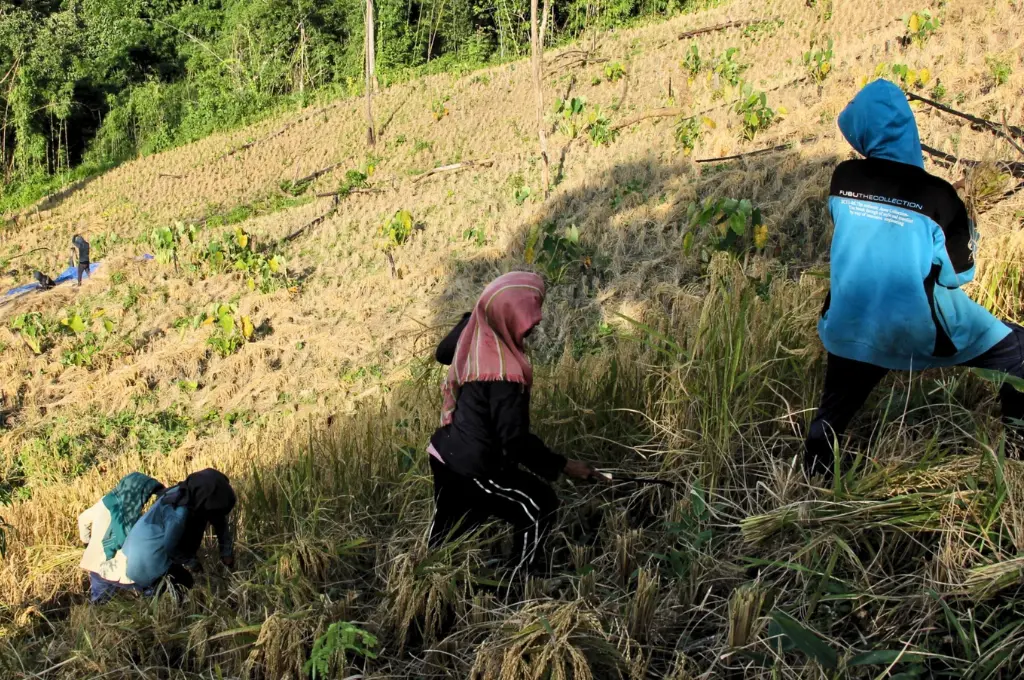
ममितमधील शेतकरी आता पिकांच्या नुकसानीसाठी वन विभागाकडे नुकसानभरपाई मागू लागले आहेत. परंतु पुढे नेमके काय मागावे किंवा कोणाकडे मागणी करावी, याबाबत अनेकांना माहिती नाही. कधीकधी अधिकाऱ्यांपर्यंत पोहोचणाऱ्या मागण्या अत्यंत मर्यादित असतात—उदा. तेलपाम प्रक्रियेसाठी मदत किंवा पुढे काय करावे याबाबत मार्गदर्शन. मात्र या समुदायांना प्रत्यक्ष सहभागी करून घेणारी, संकट दूर करण्यासाठी आणि बदलत्या परिस्थितीशी जुळवून घेण्याच्या दृष्टीने कोणतीही दीर्घकालीन योजना अद्याप अस्तित्वात आलेली नाही.
ह्या मजकुराचे अनुवाद Shabd AI ने केले आहे.
—
अधिक जाणून घ्या
- हवामानबदलाचा पिकांवर, अन्नसुरक्षेवर आणि लहान शेतकऱ्यांच्या जीवनावर परिणाम होऊ शकतो त्याबद्दल अधिक माहिती वाचा.
- हवामान बदलाचा मिझोरमच्या परिसंस्थेवर होणाऱ्या परिणामांबद्दल अधिक माहिती वाचा.