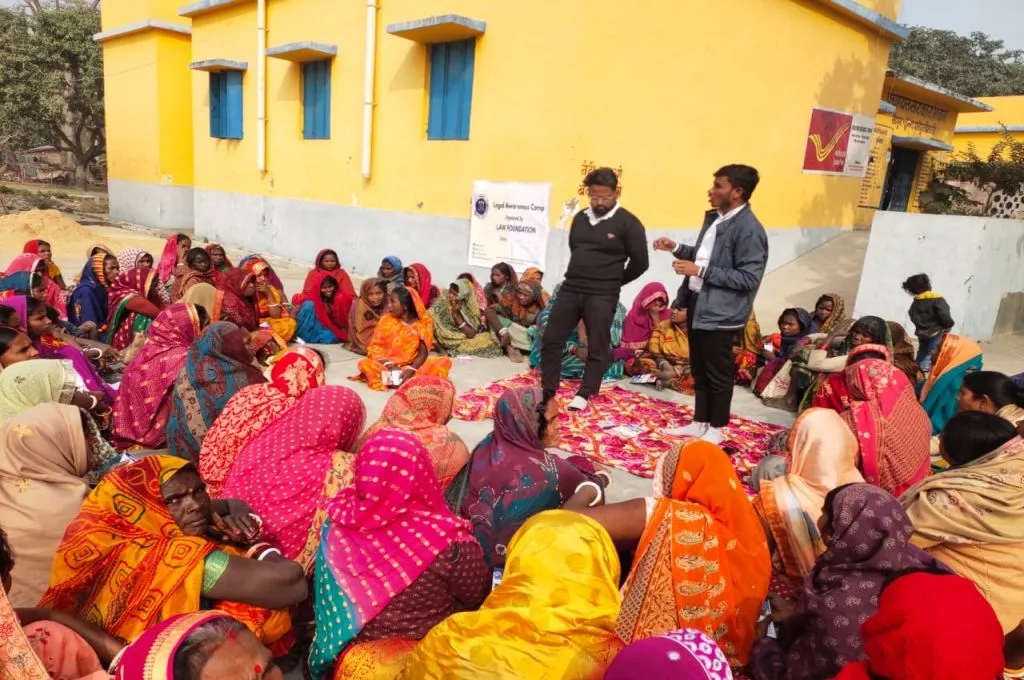
India has approximately 3,660 gramdani villages spread across seven states: Andhra Pradesh, Bihar, Maharashtra, Rajasthan, Tamil Nadu, Uttar Pradesh, and Odisha. Of them, Odisha has the highest share of these villages (1,309). Gramdan is a practice in which an entire village places its land under a common entity. Once a major movement to reimagine resource management rights at the community level, many gramdani villages today merely exist on paper. In Jharkhand and Bihar, where more than 1,600 gramdani villages are registered, many gram sabhas have ceased to function, and younger generations are unaware of this system.
In other cases, governments have withdrawn recognition of Gramdan. Assam used to have 312 officially registered gramdani villages, but the state repealed both the Gramdan and Bhoodan laws in September 2022 without any public discussion. This highlights how awareness and political commitment towards ideas of collective ownership such as Gramdan have waned in India today.
The Bhoodan movement and the origins of Gramdan
The concept of Gramdan emerged from the Bhoodan movement in the 1950s and ‘60s. Parag Cholkar’s book The Earth Is the Lord’s: Saga of Bhoodan-Gramdan Movement explains that Bhoodan involved large landowners donating land to the landless, whereas Gramdan meant that an entire village would collectively transfer ownership of its land to a trust-like body, such as a gram sabha or gram samiti. Under this system, outsiders or non-residents of the gramdani village could not buy this land, while the landowners could continue farming on it and earn any benefits or profits.

The concept of Bhoodan emerged in 1951, when Vinoba Bhave, who had been an active part of the Quit India Movement in 1942, was inspired by an incident that took place in Pochampally village near Hyderabad. There, Ramachandra Reddy, the son of a zamindar, offered his land to the landless. Influenced by this, Vinoba Bhave urged landowners across India to give a share of their land to landless people, thus marking the beginning of the Bhoodan movement.
During his journeys on foot around the country, Vinoba observed that villages were willing to hand over their entire land to the gram sabha. He proposed that not only should each person give a share of their land, but they should also contribute 1/40th of their income to a collective fund, which could be used to put together resources for the betterment of landless people and the village as a whole. This vision evolved and came to be known as Gramdan, which is considered the materialisation of Mahatma Gandhi’s idea of Gram Swaraj.
In 2024, Mendha-Lekha in Maharasthra’s Gadchiroli district legally declared itself a gramdani village under the Maharashtra Gramdan Act, 1964, becoming the latest example of a decades-old movement.
Contemporary challenges facing gramdani villages
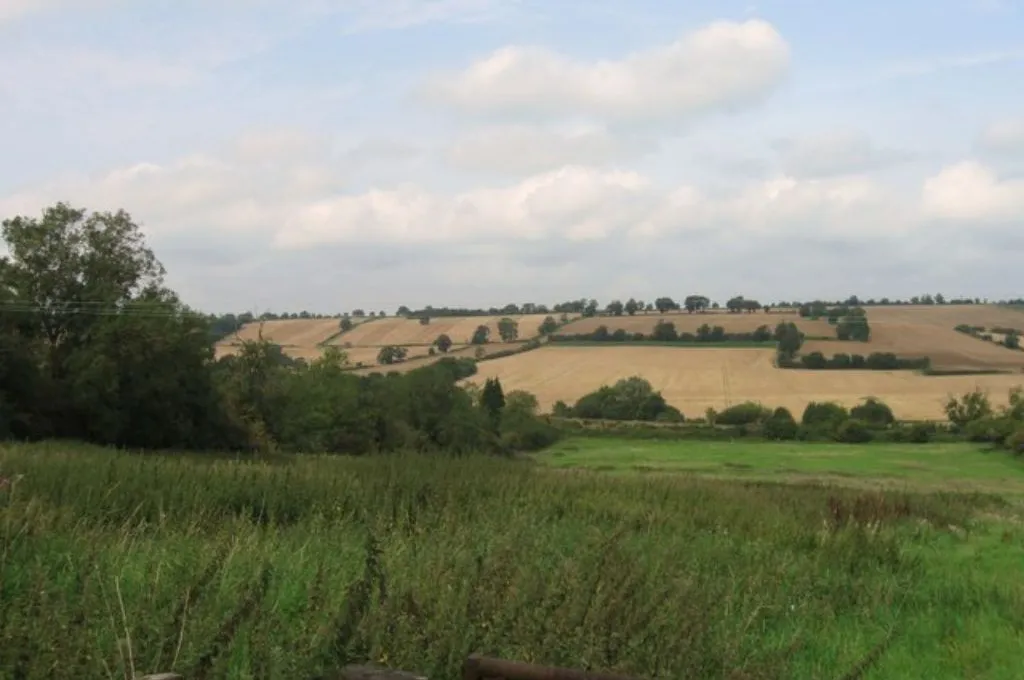
While the gram sabha is the final and binding authority under the Gramdan system, lack of clarity around decision-making powers at the village level has been a cause of friction between the state government and communities.
1. Disputes over ownership of land
Historically, the Gramdan system was widely accepted in several states. For instance, till 1965, a total of 426 villages in Rajasthan had adopted the Gramdan system, even though a Gramdan Board had not been formed in the state at the time. In 1971, a new Rajasthan Gramdan Act was implemented, which replaced the Gramdan Act, 1960.

While the 1971 Act is in effect till today, its implementation has been marred by various irregularities. In several gramdani villages in the state’s Dungarpur district, leaders of the gram sabhas have faced allegations of corruption. In some cases, officials had illegally allocated land, or outsiders had taken possession of gramdani land. Following this, people in the villages wishing to step out of this system established the Gramdani Hatao Sangram Samiti, and are now engaged in legal battles to reclaim ownership of land.
This shows that the presence of legal or constitutional measures does not hold much value for a community without transparency, active participation, and an understanding of the gram sabha system.
2. Lack of coordination with government schemes
In Maharashtra, farmers are increasingly opposing Gramdan because it has posed problems in accessing government schemes. For instance, in 2022, when heavy rains and flooding caused severe damage to soyabean crops, farmers had sought relief under the Pradhan Mantri Fasal Bima Yojana. However, the majority of claims were rejected, with insurance companies stating that since the lands were not registered in the farmers’ names, they were not eligible for compensation. These companies had not disclosed this information to the farmers at the time of enrolling them in these insurance schemes. Despite paying INR 6,000 as premium, the farmers did not receive any relief.
Farmers have also faced similar issues with the PM KISAN Samman Nidhi scheme, which provides income support to small and marginal farmers. Though the size of their landholdings is less than the standard size, they aren’t able to claim compensation as they don’t have direct ownership of the land.
Amid these challenges, there are only 20 legally recognised gramdani villages left in Maharashtra.
3. Gram sabhas are unable to assert their rights
The introduction of new laws and amendments over time has led to the weakening of gram sabhas. For example, in 1995, Rajasthan’s Gramdan Act of 1971 was amended to remove Section 43, through which the gram sabha had been empowered to function in the same capacity as the panchayat. As a result, in the present scenario, if the sarpanch of the gram panchayat does not stand in support of the community in a gramdani village, its development is simply halted. Since the removal of Section 43, the number of registered gramdani villages in Rajasthan has continued to decline.
Additionally, even though the government cannot directly acquire land that is part of Gramdan, in reality, gram sabhas in several villages have been unable to properly exercise and assert their rights. In 2014, a study conducted by the Vidarbha Bhoodan-Gramdan Sahyog Samiti, Nagpur, in Boko and Kamrup districts of western Assam found that panchayats in six gramdani villages lacked powers, which had a detrimental effect on the development of the villages.
Moreover, other laws that empower gram sabhas to make decisions, such as the Panchayat (Extension to Scheduled Areas) Act or PESA, have not been fully implemented in several states, which has undermined the legal protection accorded to gramdani villages. In non-scheduled areas, Gramdan still does not have legal recognition, as a result of which the decisions taken by gram sabhas are often overruled by administrative orders.
Successful models exist
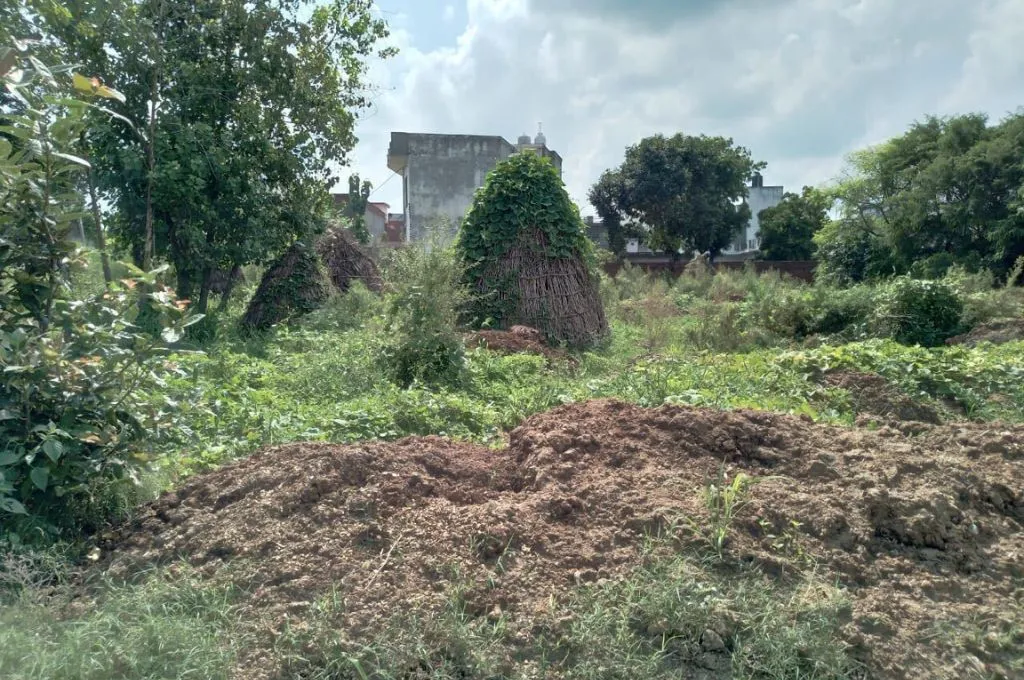
Amid these challenges, there are a few villages that are living examples of Gramdan working well, chief among them being Mendha-Lekha. For the past decade, the gram sabha here has established a system of learning and practice known as Abhyas Mandal wherein all adults in the village sit together to address common issues in a collective manner.
By 2013, with shared consent, the village had transferred all its agricultural land to the control of the gram sabha—protecting these landholdings from external or private interests. Since then, the gram sabha has also initiated a formal process to demand that the government enforce the relevant legal provisions of the Maharashtra Gramdan Act, 1964.
Rajasthan’s Seed village is also making a sustained effort in this direction. Despite not being within the ambit of the Gramdan Act legally, the gram sabha has played an active role in managing shared resources such as water, forests, and charagah or grazing land. This shows that even in the absence of a formal Gramdan law, collective ownership can be upheld and sustained by keeping village traditions alive. Acceptance and active participation of the gram sabha is key to this.
However, pressures such as urbanisation, expansion of roads and other infrastructure projects, climatic and environmental disasters, and declining crop yields have posed real challenges for rural and farming communities. Additionally, legal hurdles and gaps in public policies undermine the collective spirit and practice of Gramdan. This has necessitated actions to revive the system through different means.
How can the Gramdan system sustain?
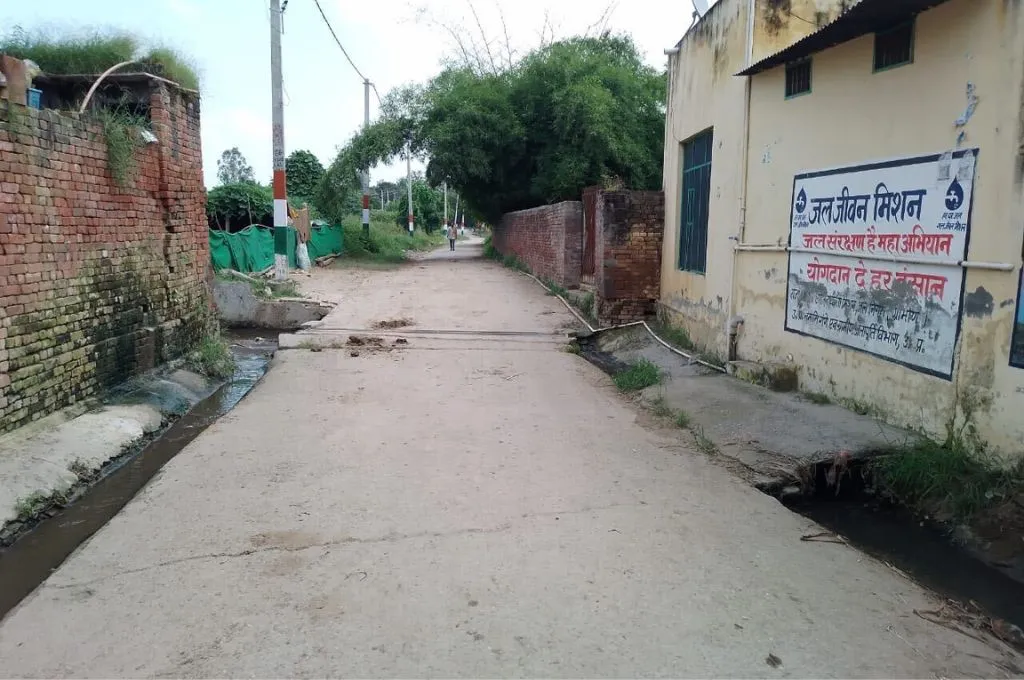
Given the strengths of Gramdan in empowering communities to govern their land collectively, certain steps can be taken at the governance, legal, and ground levels to strengthen the system and village-level decision-making as a whole.
- The provisions and rules of existing acts must be clarified to ensure that the rights of the gram sabha are not weakened or overridden by any government project or developmental policy.
- It is important to improve coordination between laws such as PESA and various Gramdan acts so that gram sabhas in Scheduled Areas are also legally protected.
- Administrative officials at district and tehsil levels must be trained on the concept and legal status of Gramdan.
- Clear and simplified procedures must be created within government schemes to ensure that gramdani villages are not excluded from entitlements on the basis of collective land ownership instead of more direct and individual land titles.
- It is essential to engage the youth to find ways for both the development of their village as well as the sustenance of the system of Gramdan.
While the idea envisioned by Vinoba Bhave sought to realise Gandhi’s dream of Gram Swaraj, its practice today stands at a crossroads. To reimagine collective stewardship in contemporary rural governance, where development aligns with the autonomy and consent of the communities that depend on the land, the principles of Gramdan need to be kept alive in people’s collective consciousness.
This article has been written by Pooja Rathi and Juhi Mishra, with inputs from Parag Cholkar. Parag is an activist and author who has extensively covered the life of Vinoba Bhave and the history of the Bhoodan movement.
—
Know more
- Read how communities across India are reclaiming their rights to govern commons.
- Learn more about ongoing struggles to implement Gramdan acts in Maharashtra and Rajasthan.
- Understand the importance of PESA and how its implementation has faltered over the years.