Back in 2021, a public toilet complex stood locked and unused in Summanahalli, an informal settlement in Bengaluru that’s home to waste pickers and other underserved communities. Public funds had paid for it, but clogged pipes, poor drainage, and the absence of a maintenance system meant that it quickly fell into disrepair. Eventually, residents stopped using it altogether. On paper, the settlement had access to sanitation. In reality, it housed an abandoned structure and a community that had returned to managing without it.
Many waste pickers reside in informal settlements like Summanahalli, where toilets, drainage facilities, and water are in short supply. Despite their contribution to the city’s waste management efforts, they often face social stigma because their work involves handling discarded materials.
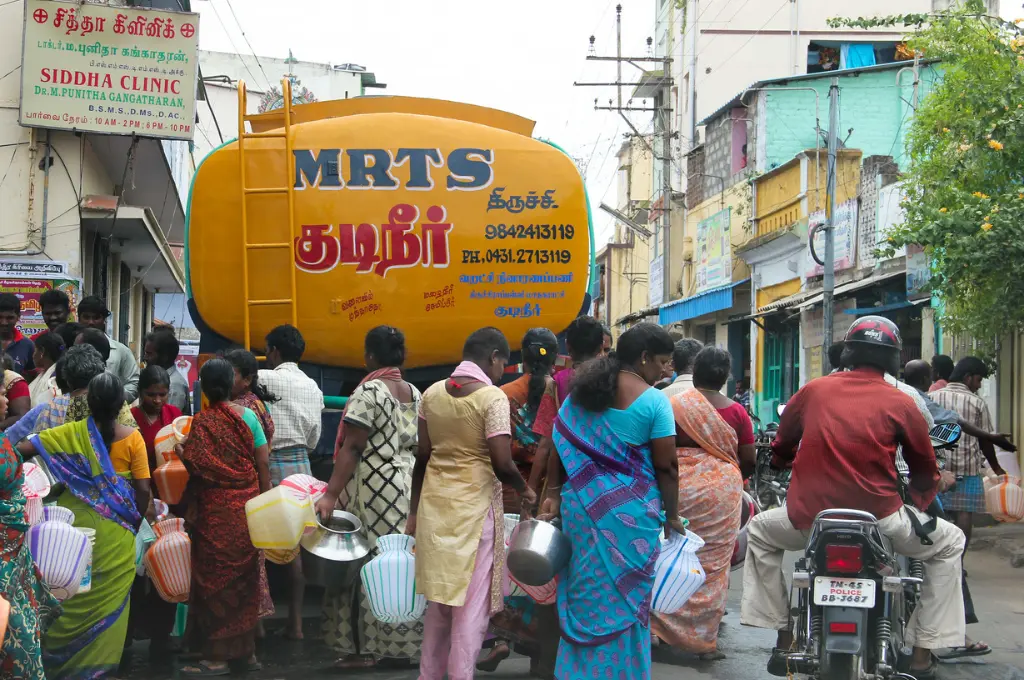
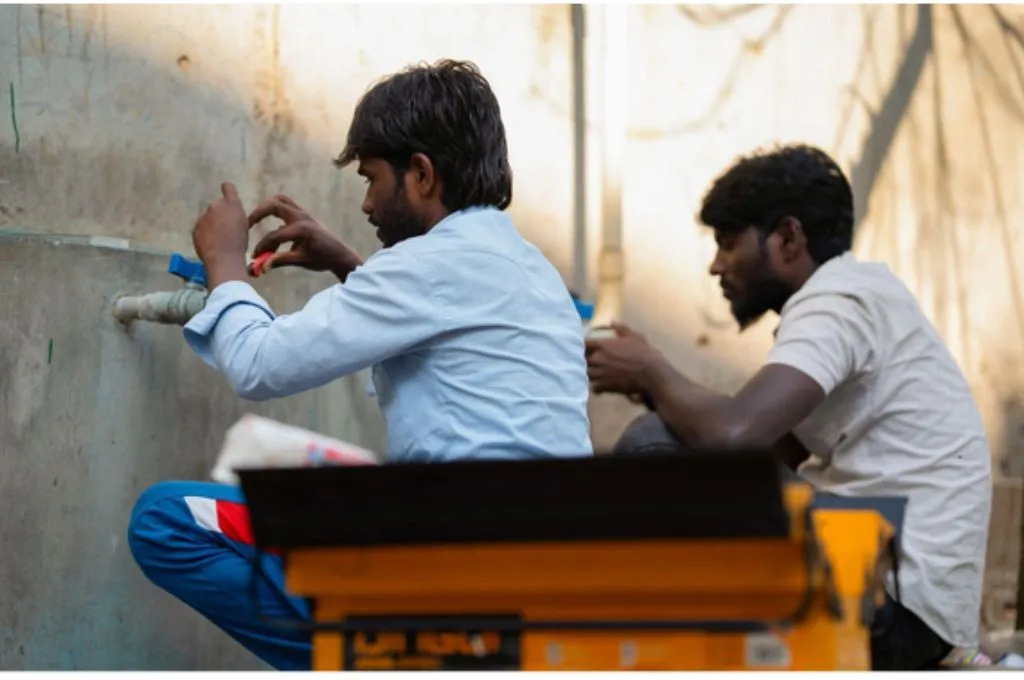
Saamuhika Shakti, a collective of 11 organisations, works on water, sanitation, and hygiene (WASH) with waste picker communities in 30 informal settlements across Bengaluru. Seven of these settlements alone are home to more than 5,500 residents. Residents in these settlements still rely on nearby reverse osmosis (RO) plants for drinking water and on private tankers for daily domestic needs, including cleaning and maintaining household and community toilets. Even those living in pucca houses may not have regular access to municipal water.
Looking beyond infrastructure
Stories like Summanahalli’s are rarely reflected in how the WASH sector measures success. Baseline assessments, household surveys, case documentation, and other programme records tend to count what projects have built or delivered, such as toilets, water, and household connections. These are important indicators, but they reveal little about whether people actually use these facilities, whether they feel safe doing so, or whether the systems needed to maintain them continue after a project ends.

These gaps are clearest in the experiences of women waste pickers. In some settlements, women reported having no access to toilets during working hours. They relied on open spaces instead, often waiting until dark or for moments when they were less likely to be seen. Many planned their day around toilet access and ate or drank less to avoid needing a toilet at work. Others put off using toilets for long periods because they didn’t feel safe walking alone after dark. Men may have more socially tolerated options, such as urinating in the open or using informal spaces. While women aren’t necessarily more dependent on public toilets, they can be more constrained when those toilets are inadequate or unsafe.
A woman waste picker without a safe, usable toilet may hold her urine for hours, risking discomfort and urinary health problems. Menstrual needs add to the strain. Fear of judgement about her occupation may also stop her from seeking care, and she may have to choose between her health and a day’s wages. A toilet without a working lock, reliable lighting, or facilities for menstrual hygiene management still counts as sanitation infrastructure, but for many women it remains unsafe or unusable. Its shortcomings reflect whose needs the design took into account.
In addition to building infrastructure, addressing these gaps requires creating the conditions for communities to participate in decisions, understand and claim their rights, engage with public authorities, and develop systems to manage and sustain the services they rely on.
Building systems, not just structures
Who shapes the design of such public infrastructure also depends on how the surrounding communities take part in a project. Community participation has become a familiar part of development practice. However, it often remains limited to consultations at the beginning of a project, before implementation moves largely into the hands of external actors. Our experience working in these communities suggests that participation alone is not enough. Community agency needs to continue throughout implementation and long after infrastructure has been built.
When communities have little say in how these services are designed or managed, infrastructure can reinforce the sense that public services are something provided to them rather than systems they have a right to shape and hold accountable.

The experience of the Summanahalli toilet complex also highlighted this challenge. Its deeper problem was that no one felt responsible or empowered to keep it functioning. Too often, development projects assume that once infrastructure has been handed over, communities will naturally maintain it. In practice, ownership requires clear systems, shared responsibility, and local leadership.
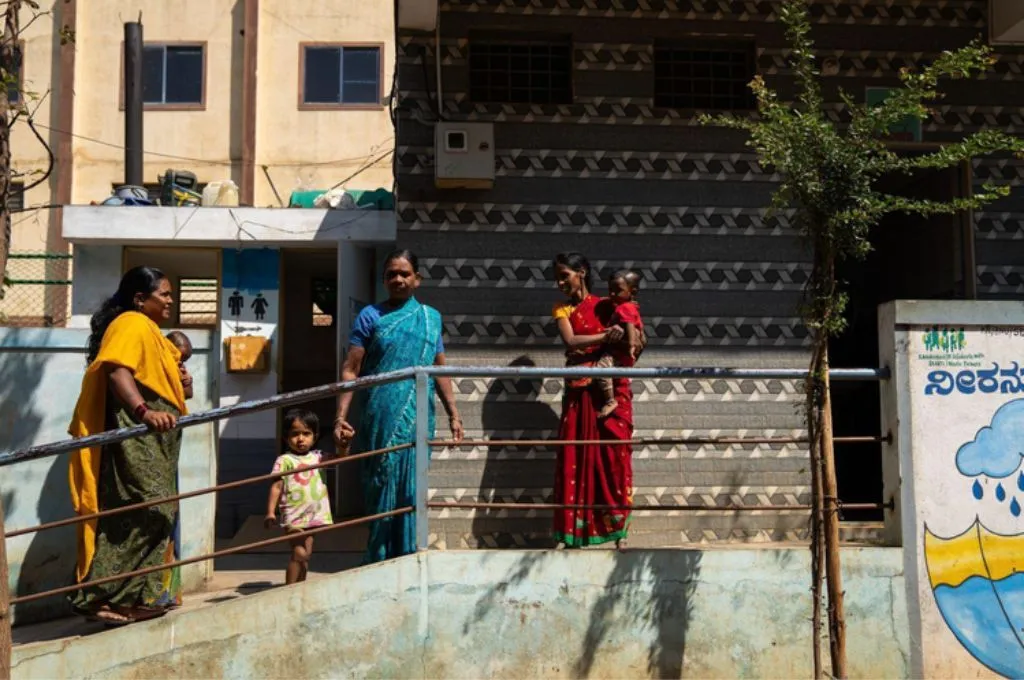
In Summanahalli and Siddharth Colony, residents revived the toilet complex through a community-led management model. Building this model was not easy. Some residents were reluctant to commit time without financial incentives, while committee selection was initially influenced by community leaders. Women were also less likely to participate, as managing money was often seen as a man’s responsibility, and community leaders held significant decision-making power. These challenges were addressed through discussions to broaden participation and clarify roles and responsibilities. Each household agreed to contribute INR 200 per month towards maintenance, and a cleaner became accountable directly to the community rather than to an external organisation. The building itself changed very little, but the governance around it transformed significantly.
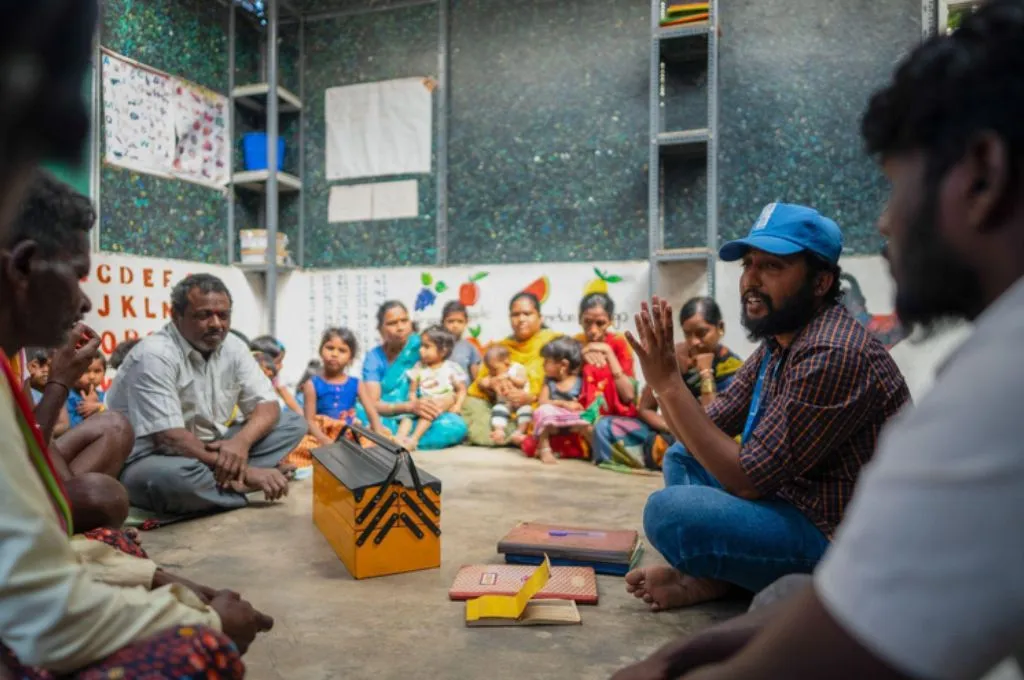
This principle was embedded across other interventions in the community as well. Operations & Maintenance (O&M) Committees made up of local residents now oversee water supply and conduct periodic water quality testing across 20 settlements. Community members who trained as ‘WASH Champions’ lead awareness sessions while also engaging local government departments on issues related to water and sanitation. Communities increasingly negotiate directly with public authorities and advocate for the services they are entitled to receive, and they rely less on implementing organisations to solve problems.
Residents describe how this shift began. Shivagami, from Shakhambari Nagar, recalls that everyone treated the water issue as an individual household problem. Over time, residents realised it is a collective issue requiring collective action. They submitted representation letters and held meetings with government officials. “This made us feel that we, too, can directly reach out to the government,” says Shivagami.
Saba Reddy, a resident of Siddhartha Nagar, recalls a time when the community’s very existence went unrecognised. The community was “ignored, with no department showing interest in helping us because we were a non-notified slum,” says Saba. “Residents submitted representation letters to various departments and secured permission to construct a community toilet on government land. The toilet has been functioning since 2023 and has been especially beneficial for women and girls in our community,” she adds.
Women waste pickers have participated not only in deciding where toilets should be located, but also in discussions around maintenance, management, and day-to-day operations. Ensuring this participation required deliberate effort. The field team used participatory exercises, hygiene awareness sessions, and house visits to build trust and encourage women to engage in planning. A 50 percent female representation on O&M committees was also mandated. While women were initially nominated by community leaders, over time more women volunteered to take on these roles.
Their participation also brought needs that might otherwise have been missed to the fore. At Vinobha Nagar, women on the committee ensured that buckets and dustbins were provided for disposing of used sanitary napkins. They also created handmade posters encouraging women to use the dustbins and wash their hands. Senior citizens wanted metal handrails inside the toilets for better accessibility and also requested Western-style toilet seats instead of squat toilets for ease of use. Both were subsequently incorporated into the building plan.
The community’s participation in the decision-making process contributed to ensuring that these sanitation complexes are inclusive and accessible to all. Local leaders continue engaging government institutions to address service gaps. Community structures remain responsible for sustaining hygiene awareness and monitoring facilities.
Building these systems takes time. It involves agreeing on contribution mechanisms, clarifying roles, and creating accountability processes that continue beyond the duration of a project. These activities rarely receive the same attention as new builds, but they are often the difference between infrastructure that lasts and infrastructure that doesn’t.
Measuring what lasts, and what is important
How success is defined influences how projects are designed, budgeted, and implemented. When project success is measured primarily through quantitative outputs, such as the structures built or people reached, they can prioritise completion over long-term utility. Complementing these with measures of sustained use, behaviour change, community ownership, and governance can shift the focus towards building systems that continue to work long after a project ends.
A small set of sustained measures could sharpen accountability considerably. These could include tracking usage rates disaggregated by gender, monitoring whether maintenance systems remain active after project handover, and assessing whether communities have meaningful influence over decisions affecting the services they use. For example, residents who contribute monthly towards the O&M committee are encouraged to collect physical payment receipts. This creates a simple record of funds collected, allowing the community to hold the O&M committee accountable while reinforcing residents’ sense of ownership over the facility.
It also means recognising that ownership cannot be delivered in the same way that infrastructure can. It develops gradually through participation, collective decision-making, and everyday practice.
For waste picker communities in Bengaluru, many of whom continue to face barriers in accessing public services and exercising their rights, infrastructure has been only one part of the solution. Creating the conditions for communities to lead, participate, and take ownership of the services they rely on has been just as important. Experience in these communities suggests that lasting WASH outcomes depend not only on what is built, but on whether communities have the agency, systems and relationships needed to sustain those gains and continue engaging with public institutions.
WASH interventions should therefore be judged not only by what they build, but by what they leave behind. Funders must resource long-term maintenance and community ownership, implementing agencies must enable meaningful participation and build local capacity, and government institutions must ensure reliable services and continued accountability. Together, these actors can help communities sustain the gains made and continue claiming their rights long after a project has ended.
—
Know more
- Learn more about how different delivery models can sustain public toilets.
- Read more about why cities should involve self-help groups in running community toilets.
- Learn more about designing programmes that build agency among waste picker communities.