Tripura’s only hill station treads between tourism and heritage
 North Tripura district, Tripura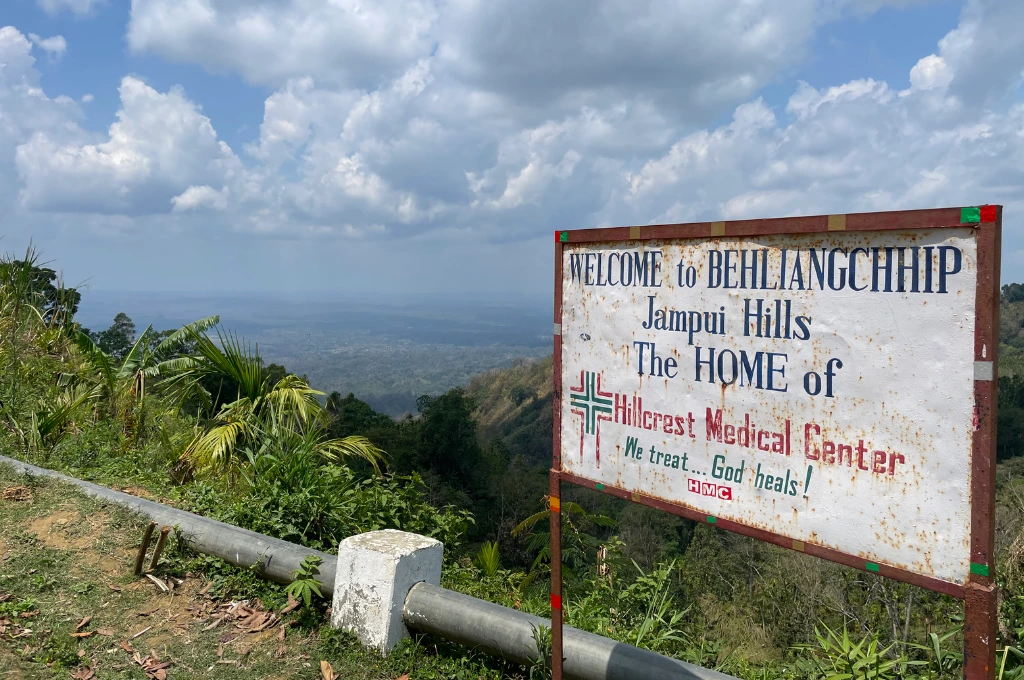
Jampui, Tripura’s only hill station, is at an inflection point in tourism potential. And spearheading the growth are local Mizo entrepreneurs betting big on homestays and curated experiences.
With support from the government, the last decade has seen growth in tourist footfall and travel possibilities in the region. The main tourist attractions include Chapchar Kut, a traditional festival of the Mizo people celebrated every year during spring season. In 2022, the first paragliding centre was inaugurated in Jampui’s Vanghmun village, and since then tourists have flocked to the hills for a panoramic view of the valleys and rolling hills of the Arakan Yoma range.
But, above all, tourism has thrived in this landscape because of the hospitality of the people and their care for the environment. This is evident from the lush greenery and clean streets that welcome travellers venturing into the hills.
Lalmuankungi, owner of Green Hills Homestay in Vanghmun, shares, “We have always enjoyed the exchanges with travellers from and beyond the state. This is a land of peace and natural beauty, much of which is underexplored. We want everyone to come and experience the hospitality of our people.” She mentions that the state government supports homestays like hers through outreach and promotional initiatives such as the Unity Promo Fest.
From fully furnished homestays to camping sites, the hospitality industry is witnessing a period of steady growth in villages like Vanghmun and Phuldungsei. But locals are concerned about the ecological impact of tourism and increasing urbanisation.
After a long career as an Air Force sergeant, Lalengsanga decided to return and build Sky Chalet, a homestay in his native village. The homestay has a dedicated rooftop cafe and wooden cottages that unsurprisingly bear names like Sukhoi, Jaguar, and Rafale, a nod to his love for military aviation.
He says, “All of these forests used to be dense and wild, filled with orange trees that the locals cultivated with passion. Now most of it is either areca nut or rubber. Some locals grow oranges in small, isolated patches, but you won’t spot them from here.”
The Orange Festival, which happens every November, still brings in tourists But crop diseases and poor implementation of remedies has led to a drastic decline in Jampui’s once-famous native orange plantations.
Lalmuankungi says, “Earlier, the oranges were a big attraction for tourists, but now due to climate change and land degradation we barely have any left.”
In areas like Vanghmun, the pace of construction and development has been steady. And the government’s renewed focus on capacity building for tourism is a welcome step. However, this growth needs to be carefully managed with environmental protection.
Lalengsanga says, “In all the tourism conclaves I’ve attended, sustainability has stood out as a key pillar for responsible tourism. While my prime motivation is to generate employment for local youth and inspire others towards entrepreneurship, I believe that we need to strike a balance between commerce and heritage. Sustainable tourism can help in achieving this balance.”
Hansatanu Roy is an IDR Northeast Fellow 2025–26.
–
Know more: Learn about melye-amiley, the superfood of the Chakmas in Tripura.
Do more: Connect with the author at hansatanu@live.in to learn more about and support his work.