For generations, preparing for the winter in Kashmir has been shaped not just by necessity, but also a sense of ritual and community. As autumn approaches, rooftops and courtyards across the Valley slowly transform into busy workspaces as families gather to slice, thread, and dry vegetables under the sun.
Known locally as Hokh Syun, these dried foods have helped people tide over the freezing months, especially when heavy snow leaves parts of the Valley isolated for long stretches of time.
“In my childhood, nearly six decades ago, snowfall was moderate compared to what my elders would describe,” recalls Nazir Ahmad, a resident of Rainawari in Srinagar. “My grandfather would talk about winters nearly a century ago when snow would pile up to 10 or even 15 feet. The national highway would remain blocked for weeks, sometimes months, cutting the Valley off completely.”

“With fresh vegetables mostly coming from outside the Valley, these closures caused shortages,” he adds.
Even now, during the Chilla-i-Kalan—the 40-day period of intense cold between January and December—fresh vegetables tend to freeze altogether, making Hokh Syun the main source of food.
However, over time, this household tradition has slowly changed due to factors ranging from uncertain weather conditions, changing dynamics of labour within families, and a growing urban market of ready-to-purchase Hokh Syun.
Sunny days and shared chores
Hokh Syun has always followed a seasonal pattern, with women doing most of the preparation.
“Preparations usually start between September and October. Women in the house buy vegetables such as radish, bottle gourd, turnips, brinjal, and tomatoes specifically for drying,” adds Sameena Akhtar from Nawa Kadal, a locality in Srinagar.

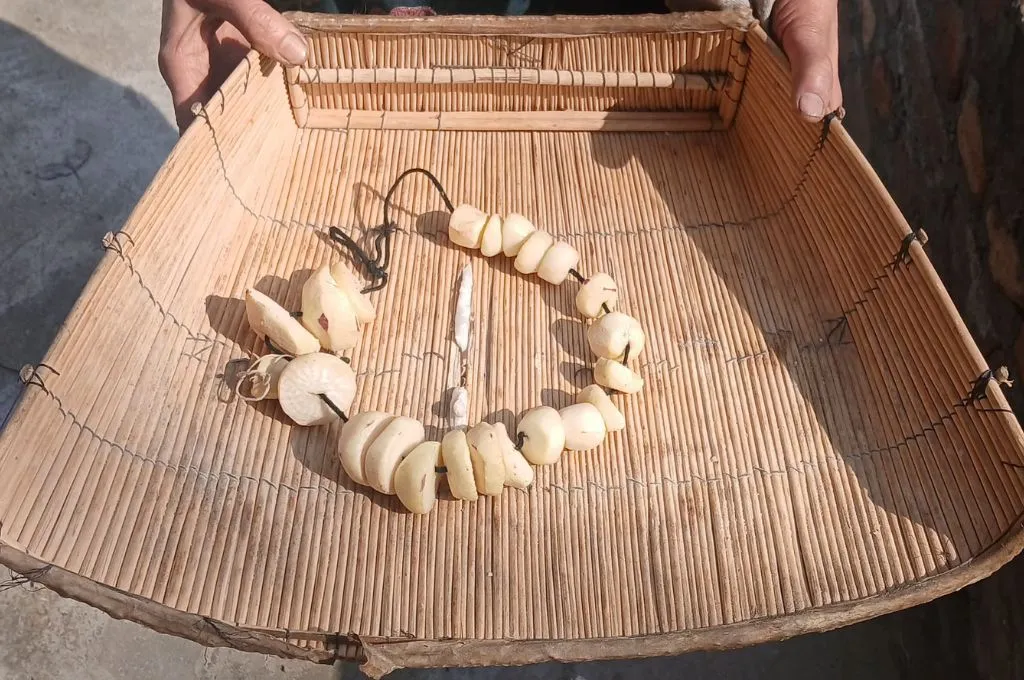
Families also pick vegetables from their own kitchen gardens. Once brought home, vegetables are washed, cut, and spread in single layers across terraces or placed in willow baskets known as tookar or shoup under the sun.
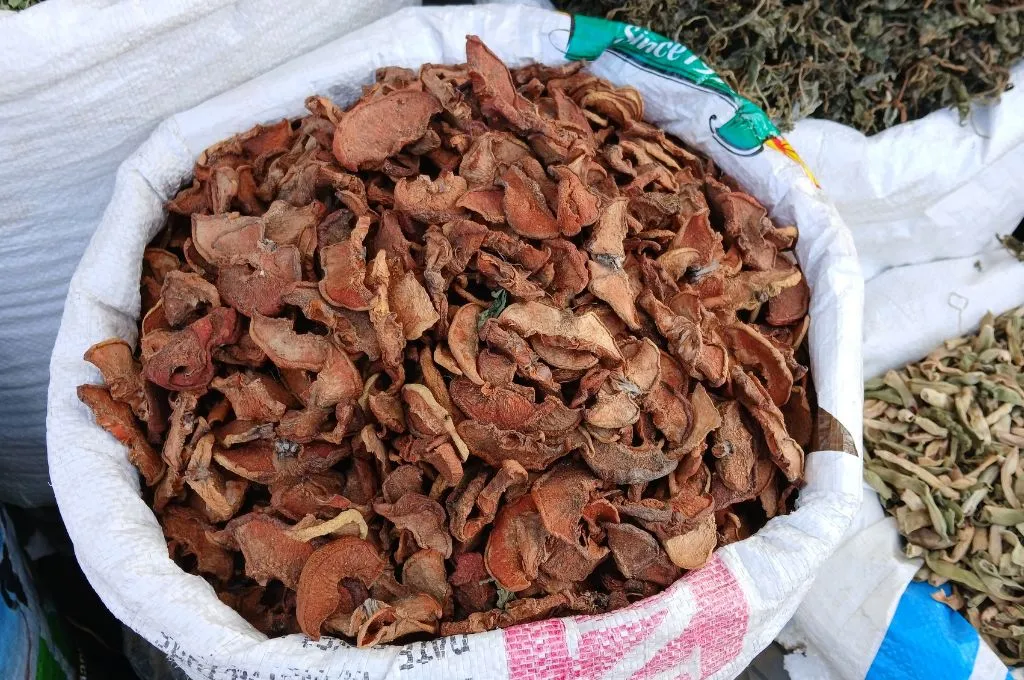
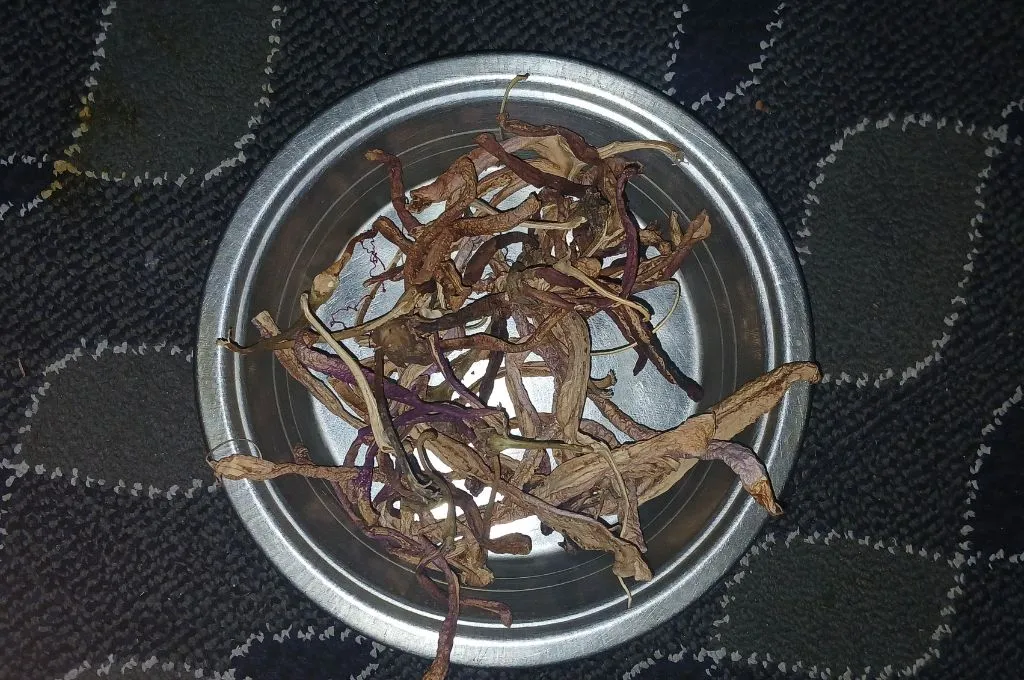
The process of drying varies based on the vegetable: ale hachi (bottle gourd), ruwangan hachi (tomatoes), handh (dandelions), and wangan hachi (brinjals), etc. for instance, are sliced and sun-dried. Turnips usually arrive in the Valley in October, are dried in December, and can last until April. “Most vegetables take three to four weeks to dry. Turnips take up to six weeks before they are ready.” Nazir says.
Unlike other vegetables, turnips do not require direct sunlight. People traditionally thread turnips and chillies and hang them from wooden beams or compound walls to ensure proper air circulation. For Srinagar’s residents, these garlands are a familiar sight each year.
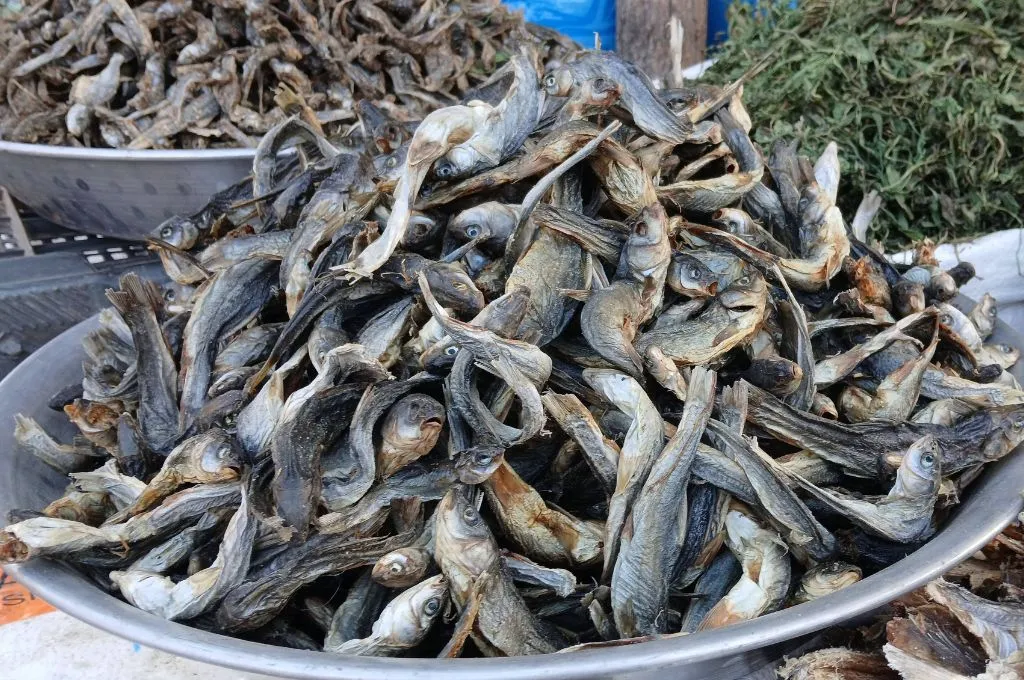
Along with vegetables, Hokh Gaa’d (dried fish) is also preserved in similar ways.
Nurturing care and community through food
In the Valley, many grow up hearing that Hokh Syun ‘keeps the body warm’. “People feel it protects the elderly from chest infections and helps protect children from severe cold,” says Zarief Ahmad Zarief, a writer, historian, and social activist.
But the practice has always meant more than physical sustenance. “It is not only about survival, but also cultural ritual. Winters here have been embraced and welcomed, rather than being seen as a burden,” he adds.
Neighbours help each other prepare the vegetables, and mothers are often accompanied by their young children, who watch them work.
However, the rhythms that once supported this tradition are beginning to shift.
Shifting weather patterns and family roles mark a transition
One reason for this change lies in how vegetables are dried. Since vegetables have been traditionally dried on rooftops, families depend on clear skies and sunshine.
“The first three to four days are the most important. Continuous sunlight ensures proper drying. The vegetables stay under the sun for days, depending on the weather. Once dried, they are stored in net cloth bundles and hung where air circulation is steady.” Sameena says.
However, she notes that unseasonal rain and cloud cover have begun disrupting the drying cycle for most vegetables.
Meanwhile, Zarief adds that over time, snowfall has become less intense, and fresh vegetables remain available in the markets for longer.
There is also a change within households: as more women have been stepping out of the house to join the workforce, they now have less time to engage in the long and labour-intensive preparation process.
Weather uncertainties and these changing family dynamics have led many families to shift to purchasing dried vegetables from the market. “People still relish Hokh Syun—it keeps the practice alive, but convenience now outweighs tradition for many households,” Zarief observes.
From rooftops to street shops: Trade keeps tradition alive
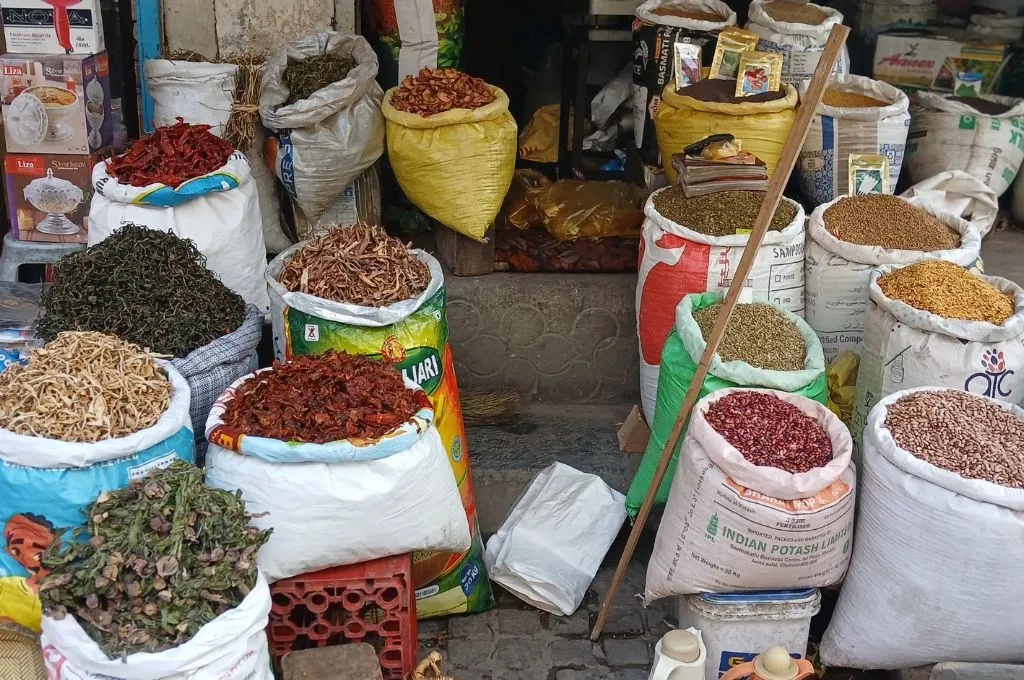
A flourishing market for Hokh Syun can be found in Srinagar’s old city.
Riyaz Ahmad inherited his shop from his forefathers. Hailing from Zaina Kadal, he says that his family has been selling dried vegetables for decades. “We follow the same traditional method— cleaning, cutting, and sun-drying each vegetable. Nothing artificial.”
However, other shopkeepers in the city say that they now rarely prepare Hokh Syun in their own homes. Instead, they purchase the prepared vegetables from dealers, who in turn source them from different villages across the Valley.
While demand for the vegetables tends to vary depending on the weather, it usually peaks in early December as the winter intensifies and customers begin stocking up for the incoming cold.
Even as the snow begins to thaw by February, Riyaz notes that people consume Hokh Syun even beyond the winter. “It continues through spring and summer. Kashmiri families moving to Delhi, Bangalore, or other cities also take Hokh Syun. It keeps them connected to their roots. Many customers working abroad carry it back with them,” he says.
It is this connection that has helped Hokh Syun survive in Kashmir. As winters grow milder and markets remain stocked, these foods serve as living reminders of childhoods spent with family on warm rooftops, preparing for the stretches of quiet winter ahead.
—
Know more
- Learn how women street vendors in Nagaland are using traditional practices and socio-cultural networks to develop their own forms of climate adaptation.
- Read how erratic weather patterns are leading to crop failures and rising indebtedness among Kashmir’s apple farmers.