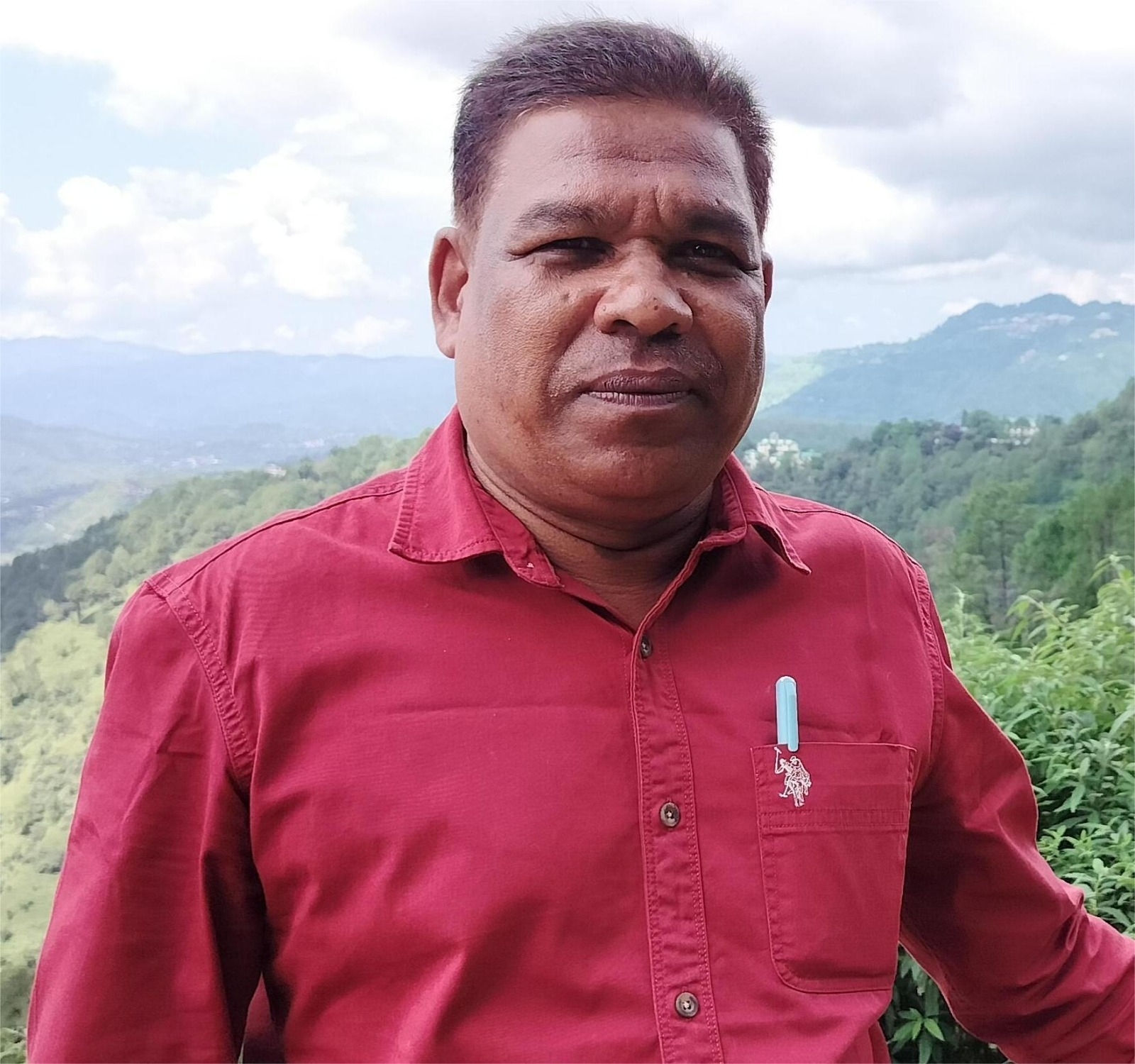
Whenever Adivasi communities express hesitation towards public systems, be it ‘free’ healthcare or education, it is often treated as a problem of our beliefs, behaviour, or a ‘lack of awareness’. My experience as a first-generation Soliga Adivasi scholar who grew up in the forest areas of southern Karnataka’s Biligirirangana Betta (BR Hills) suggests something else.
For Adivasi people, without forests there is no health. And our mistrust of the state is inextricable from the long history of dispossession to which our people have been subjected.
Forests and nature represent how food, livelihoods, freedom, and healing practices come together in everyday life. Despite this, throughout history, the rights of Adivasi communities to our homes, lands, and holy places have been denied, often under the guise of tribal development and wildlife conservation. These policies have restricted our access to the very forests and resources that sustain us, which has contributed to malnutrition, migration, disrupted schooling, and avoidable illnesses among our people.
For the last 28 years, I have been working with friends and colleagues in my community in Chamarajanagar. The district is home to the Betta Kuruba, Jenu Kuruba, and Soliga people, who are among the 50 Scheduled Tribes (ST) in Karnataka. Of these communities, about 12 (including the Soliga) self-identify as Adivasi and have a close association with forests.
In Chamarajanagar, Adivasi communities live in and around the areas that now constitute Bandipur and Biligiri Ranganathaswamy Temple (BRT) tiger reserves and Male Mahadeshwara Hills and Cauvery wildlife sanctuaries.
All of these are protected forests under various wildlife protection acts that pre-date the Forest Rights Act. For years, these laws have been used by the Forest Department to keep Adivasi people away from the forests in which they have traditionally resided.
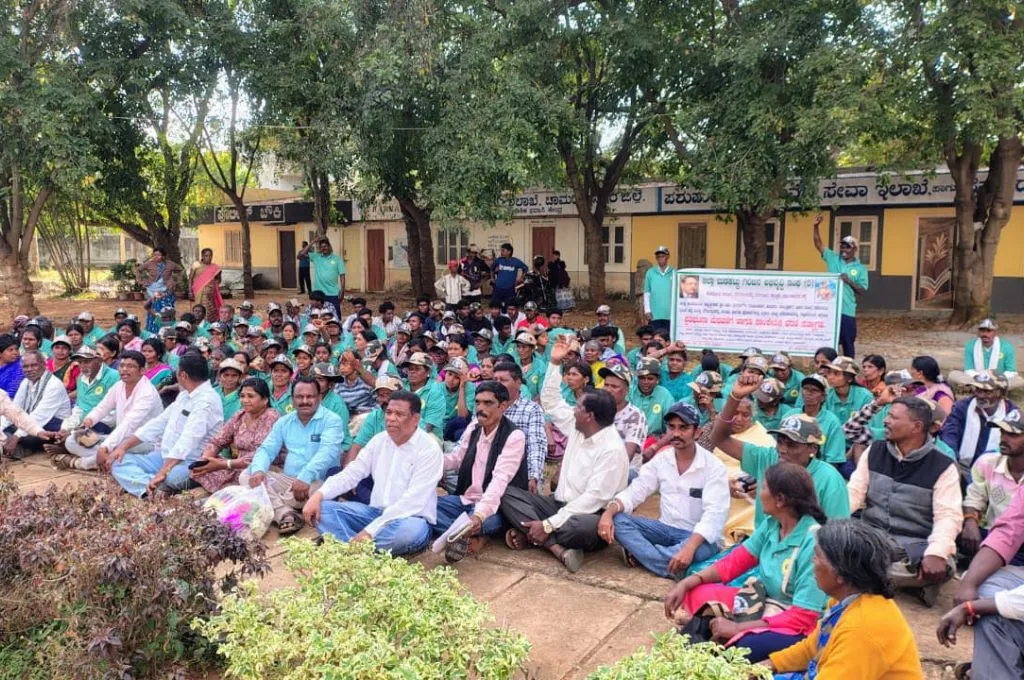
The impact of displacement is wide-ranging and ongoing
Our life in these podus (Soliga villages) has been marked by various agitations against adverse provisions of the Wildlife Protection Act, 1972. BR Hills was first established as a wildlife sanctuary before the authorities declared it a tiger reserve. With these declarations, a ban was imposed on the collection of forest produce such as honey, nelli (Indian gooseberry/amla), antwaala kaayi (soapnut), and seege (acacia) which are part of our everyday consumption, care, and livelihood routines.
Along with these bans, our people were evicted and uprooted from their homes and podus a few decades back. In most cases, communities that had traditionally resided in hill and forest areas were resettled in completely unfamiliar and distant areas which forced drastic lifestyle changes. For example, Soliga people uprooted during the construction of the BRT tiger reserve were settled in the village of Yerakana Gadde, where they’ve had to live in poorly built, crammed houses which bear no resemblance to our traditional homes.
Further, because a major part of our cash income was dependent on forest produce, these displacements and bans triggered an economic crisis in the affected communities. Over time, this led to large-scale migration among our people. The Soligas, for example, have been moving to other parts of Karnataka, and even Kerala and Tamil Nadu, in search of livelihoods. Divorcing our people from their homes in this way has led to the loss of cultural traditions, oral history, and community knowledge. This cycle of displacement has had a grave impact on people’s physical and mental health, including an increase in alcohol and drug addiction, particularly among Adivasi youth.
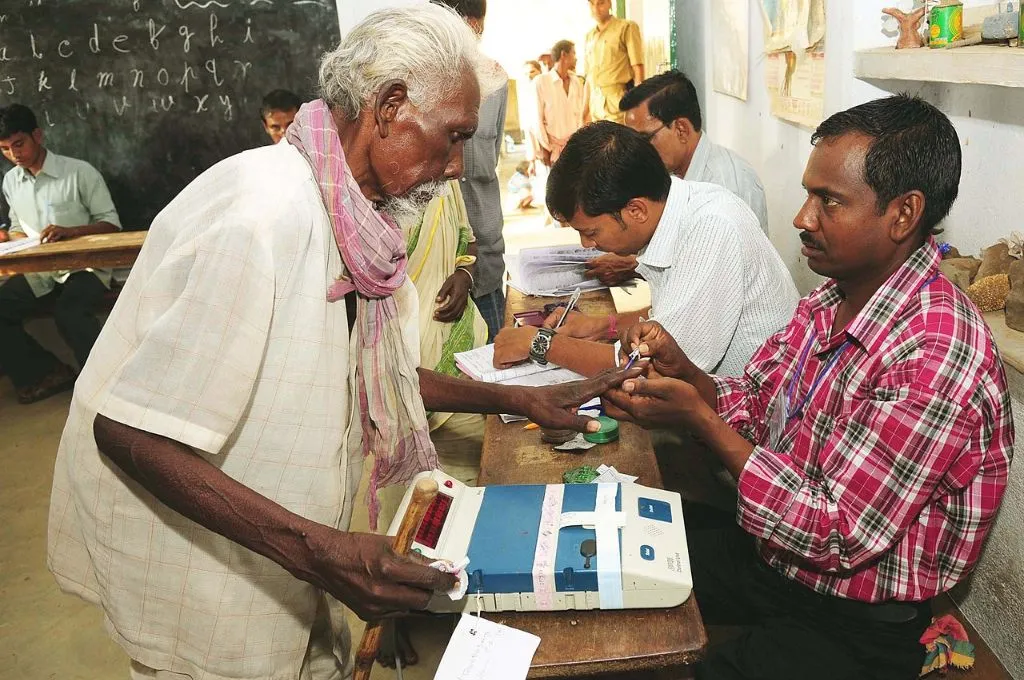
Even when Adivasi people seek modern healthcare in distant hospitals, their experiences are often dehumanising.
These are systemic repercussions of government actions. The question we must ask is why should people who have faced multiple oppressions at hands of the state trust the healthcare system it promotes? When a system constrains livelihoods and mobility, disrupts children’s schooling, and treats people as illegal in their own homes, it also produces rational mistrust.
Not only that, even when Adivasi people do seek modern healthcare in distant hospitals, their experiences are often dehumanising. In such a context, a community’s refusal to accept external healthcare support and medicines delivered by the state is not ignorance or superstition. It is their self-reliance, their struggle for survival, and an act to reclaim dignity and continuity with their traditional way of life.
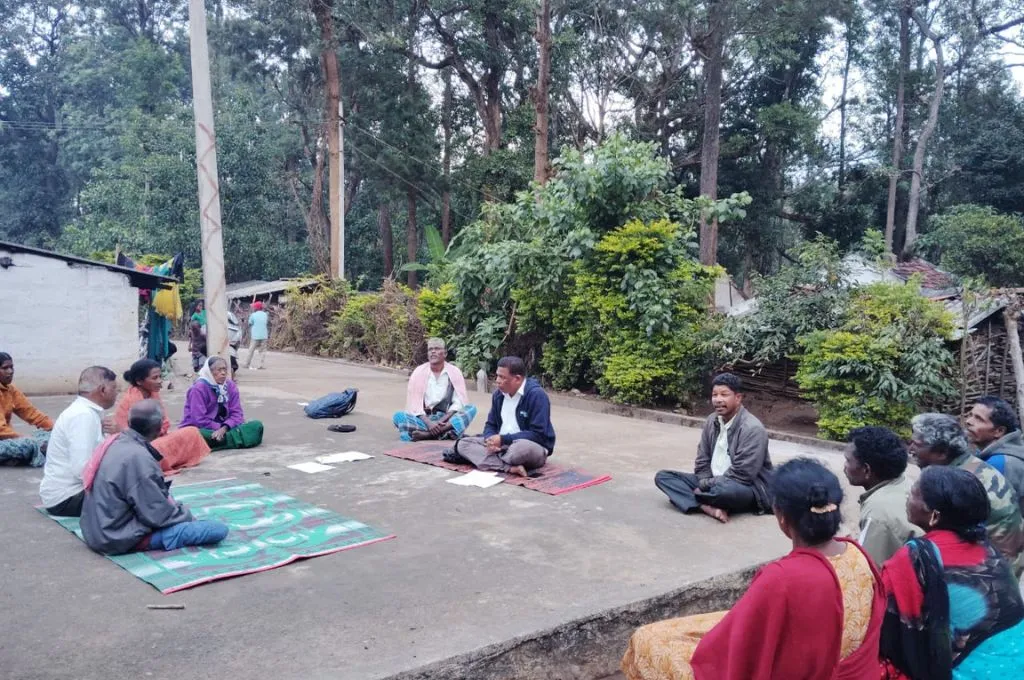
Public health, ‘tribal health’, and the matter of perspectives
Seen from this view, questions of ‘tribal health’ look quite different from how the public healthcare system views it. The solution is not simply establishing a hospital or just giving us information about how to ‘be healthy’, especially when we are cut off from traditional sources of medicine and food.
Here are some alternative methods that the government and civil society can use to work with the people on their health:
1. Replace deficit framings with a dignity lens
If the public healthcare system truly wants to include Adivasi communities like ours, it will have to stop seeing us from a place of lack. It will have to give up notions like ‘the Soliga (Adivasi) does not have knowledge’ because we know our forest and understand our health.
When outsiders interpret our way of life as ‘lack of knowledge’ or ‘primitiveness’, they miss two things at once: (a) a living ecology-based knowledge system, and (b) the political history that has shaped people’s relationship with government services.
In these forests, we have grown and harvested ragi, various types of roots, wild yams and tubers, edible mushrooms, and several green leafy vegetables, many of which such as kaddisoppu and javanesoppu are known to be rich in vitamins, antioxidants, minerals, and soluble protein. Tubers and fruits from the forest are also in high demand in local markets. We have traditional remedies for even illnesses such as sickle cell disease. These forest products along with animal protein, which we historically sourced through hunting in these areas, are crucial for our health. Losing access to the forest has meant losing access to these products, which has a direct impact on our well-being.
2. Build trust and relationships through dialogues and collaborations
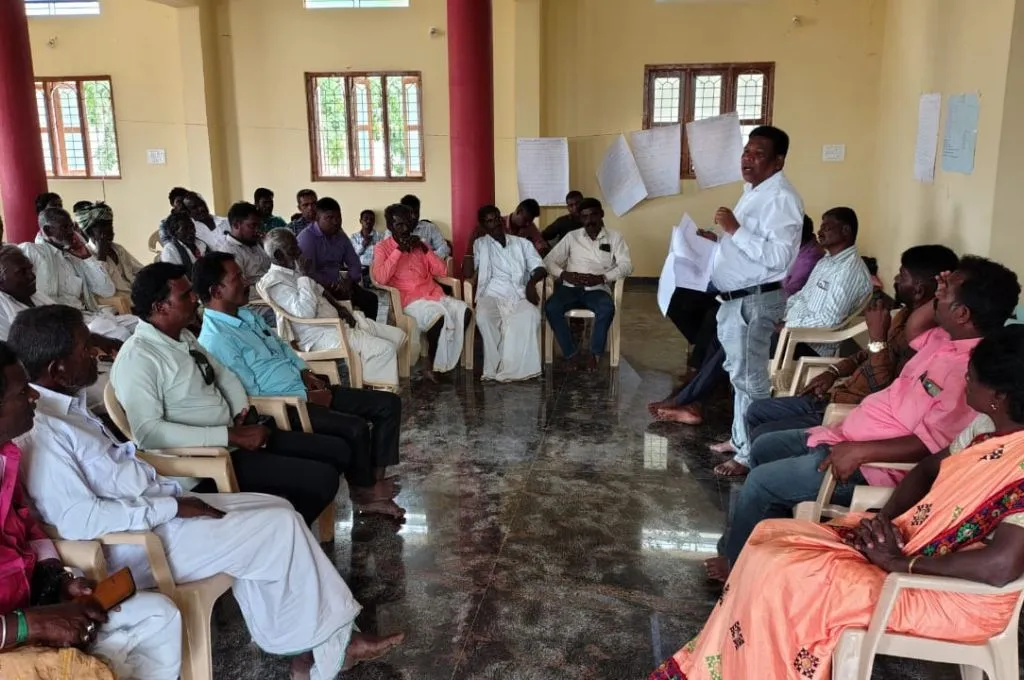
The need of the hour is to move beyond a singular focus of setting up physical infrastructure and schemes to create platforms that facilitate deeper engagement and dialogue between our youth, our elders, and the ‘system’. One such platform that our Jilla Sangha (district level collective of the Adivasi people) hosts is an annual dialogue where we invite nonprofits, researchers, district-level health, tribal welfare, and various other government departments.
Over the last several editions, these annual dialogues have helped non-Adivasi workers in health and other services better understand our community and our needs. It also gives them space to reflect on their own behaviour towards us and adopt better practices that promote trust. For example, it was through these dialogues that the Tribal Health Navigator programme was adopted and promoted by the Karnataka government. Under this programme, community healthcare workers double up as guides to help both Adivasis and non-Adivasis who seek medical support at government hospitals.
However, such platforms for exchange need to be nurtured more meaningfully by academia, civil society, and government agencies.
The same approach can be taken to participatory research and the evaluation of healthcare systems. In our district, these discussions have provided our community a platform to voice important issues. For example, we have demanded that women from our community should be appointed as ASHAs. This has also given us space to challenge and critique how research organisations design and implement studies. Such partnerships are more likely to yield an impact on health than short-term surveys.
3. Uphold forest rights as a core determinant of Adivasi health
The implementation of FRA marked a turning point in our struggle for our rights. In 2005, the Jilla Budakattu Girijana Abhivruddhi Sangha and the Taluk Budakattu Girijana Abhivruddhi Sangha—with support from nonprofits such as ATREE and VGKK—started filing applications to the forest department and district administration for community rights to collect minor forest produce (which was banned at the time). After that, we started applying for land rights.
The struggle for land is inextricable from any understanding of health and well-being in our communities.
After years of sustained effort, approximately 1,000 families received individual title deeds across the four protected (forest) areas in our district for the first time in 2010. We also ensured that we were represented in all committees under the Act, from the village to the district level. On October 2, 2011, we successfully obtained title deeds for community forest rights for 25 forest rights committees in the BRT Tiger Reserve. Our struggle is still ongoing as many Soliga, Bettakuruba, and Jenukurubal villages in Bandipur and Nagargole are still denied their rights and the overall implementation of the FRA in the region has been uneven.
This struggle for land is inextricable from any understanding of health and well-being in our communities. When we say health, we don’t just think of ‘disease’ and ‘medicines’. If these title deeds are granted, as is our right, then we can farm on this land; We can grow different varieties of food crops, horticultural crops, and fruits, such as soppu (green leafy vegetables), ragi/jowar (millets), avare (broad bean), and togari (pigeon pea). Land rights have become a way for us to ensure access to nutritious food for our community—which has a direct impact on our health.
Moreover, the earnings from the honey that we sell for about INR 220 per kilogram go directly to fulfil the daily subsistence needs of families. We also have the right to fish in the waterbodies of the forests. This way, we are able to incorporate meat, which is a source of protein, into our diets.
As such, land titles, community forest rights, access to minor forest produce, and dignified governance are the upstream determinants of nutrition, income security, and mental wellbeing for Adivasi. If public health policies treat forests and rights as being separate from health, they will repeatedly fail.
4. Ensure that conservation actions undergo a rights-and-health impact review
Conservation initiatives such as tiger reserves or wildlife sanctuaries in Adivasi areas must not adversely impact communities’ rights over land, and by extension, people’s health and wellness. Historically, rarely have people’s rights been settled before announcing tiger reserves or wildlife sanctuaries.
In fact, in addition to land rights, I would argue that conservationists must account for health and development impacts on Adivasi communities before proposing conservation actions. This is especially necessary as the focus of conservation has increasingly shifted to models which seek to remove communities from forest areas altogether. This often has serious impacts not just on people, but on the surrounding environment and ecosystems.
The Kannada to English translation and additional editorial inputs for this article have been provided by Prashanth N Srinivas.
—
Know more
- Understand the barriers faced by Adivasi communities in accessing dignified care in formal health systems.
- Read more about the impact of ‘conservation-induced displacement’ on the lives and livelihoods of Adivasi communities.
- Learn why mental health of marginalised communities cannot be isolated from struggles for dignity and justice.