A birdwatching festival in Mizoram challenges hunting rituals
 Aizawl district, Mizoram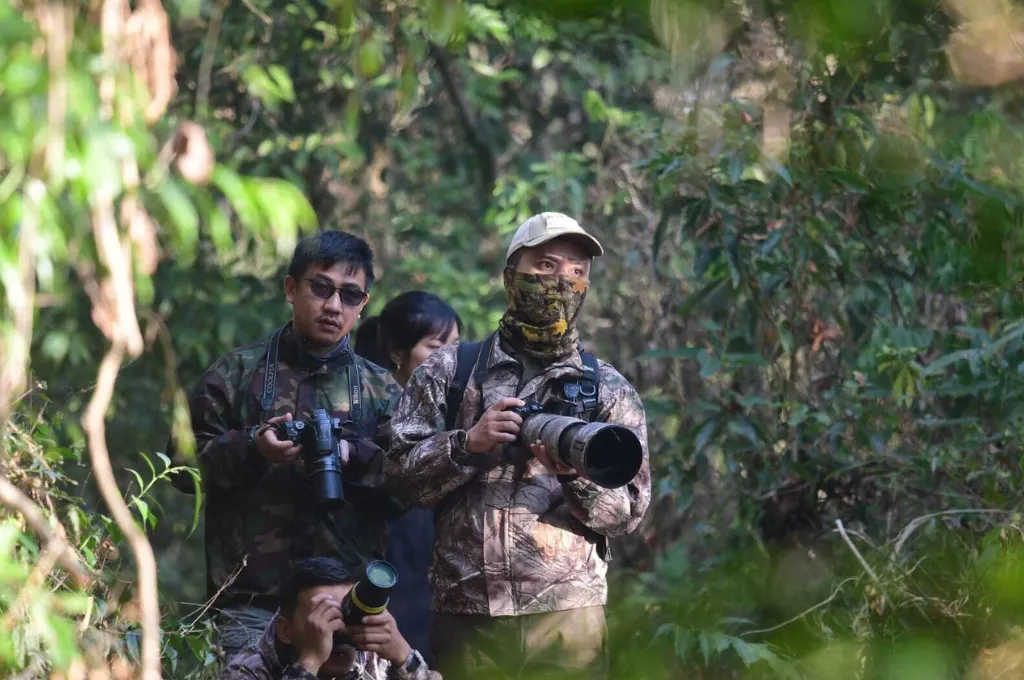
Between clearing the forests and burning the vegetation to create nutrient-rich ash fertiliser during jhum cultivation in Mizoram, there is a short interval when there is no activity in the field. This allows for the vegetation to dry so that it burns properly.
Traditionally, this was a period of relaxation locally known as Chapchar Awllen. Coinciding with our spring festival Chapchar Kut, it was also a time of merriment that included hunting for game by setting traps for birds and wild animals.
In 2021, a group of wildlife conservationists working with Conservation Mizoram, a self-funded nonprofit, decided to challenge the practice of hunting during Chapchar Awllen. We introduced an alternative tradition, Chapchar Awllen Sava Chhiarpui (CASC), which roughly translates to ‘bird counting during the drying of jhum through citizen participation’.
Held at the Sailam Bird Sanctuary in Aizawl every year, CASC is a one-week bird census that starts in late February and goes on until the beginning of March. It is funded by members of Conservation Mizoram and our patrons; we avoid funding agencies because we don’t want them to dictate our goals and interfere in our research.
We spread the word about the event through WhatsApp and Instagram, send personal invitations to notable figures in biodiversity conservation, and extend formal invitations to all environmental nonprofits. Many people come to know about our activities through YouTube videos of previous events on members’ channels.
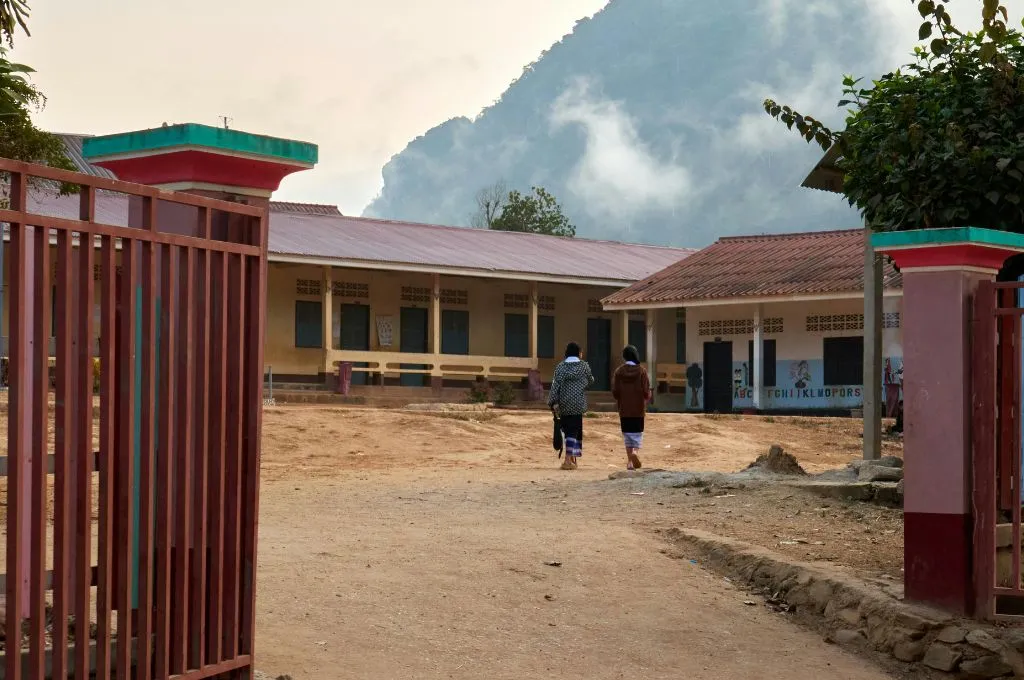
The event is mostly attended by a small group of researchers, students, teachers, birdwatchers, photographers, and wildlife enthusiasts. We provide them a checklist of birds and a pictorial field guide, which they follow to observe and make note of the birds they spot in their own areas. After this, they submit the birds’ names to the organising secretary of CASC through our team members who are present across several locations, offering assistance with counting birds and especially helping first-time birdwatchers. During the first event, we covered Aizawl, Kolasib, and Lawngtlai districts, before branching out to Lunglei and Champhai in the later iterations. We also use this time to partner with schools and local churches and host biodiversity campaigns in far-off villages to communicate the ethos of CASC to the communities.
We promote birdwatching as a means to the end goal of conservation. Over the years, with growing participation and expansion of the area covered, we have been able to identify a higher number of species. In 2021, we spotted 195 species; in 2025, this number increased to 273.
But our work on behavioural change needs to be supported by government regulations. Currently, there are other factors encouraging hunting as a hobby. The major challenge we face is easy access to uncontrolled firearms and air rifles, both licensed and countrymade, which are mainly used for hunting birds and small animals. Unless there is a crackdown on this, we won’t be able to bring about any large-scale change.
Lalawmawia Sailo is a conservationist and freelance ecologist, and the secretary of Conservation Mizoram.
As told to Malsawmdawngliani Tara, IDR Northeast Fellow 2025–26.
—
Know more: Read why a conservationist in Mizoram struggles to stop his community from hunting.
Do more: Connect with the author at zosangbirders@gmail.com to learn more about and support his work.