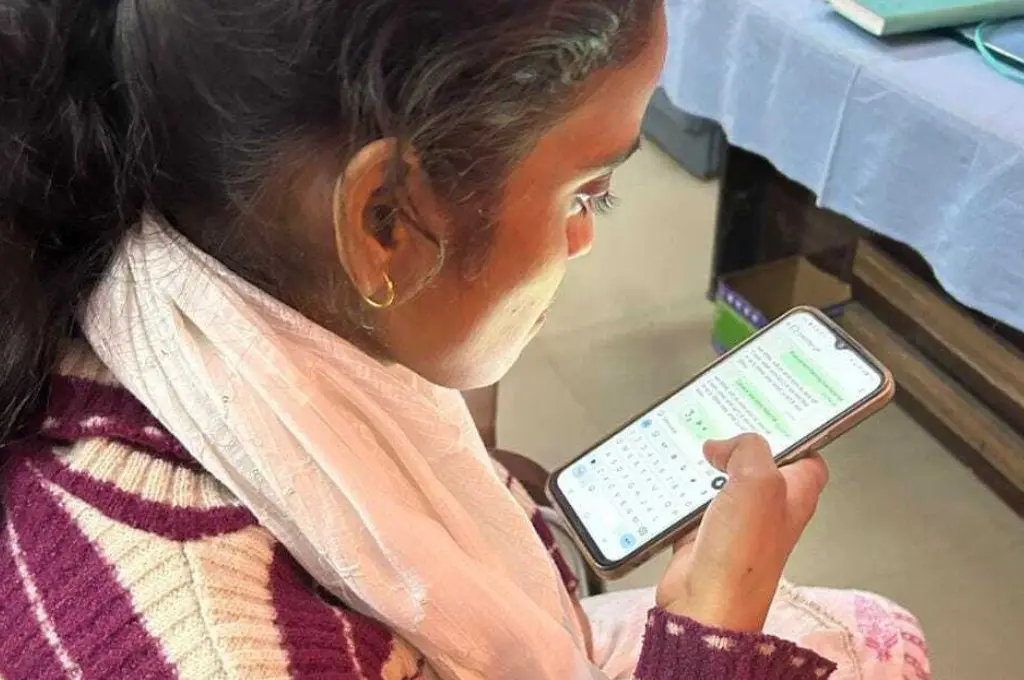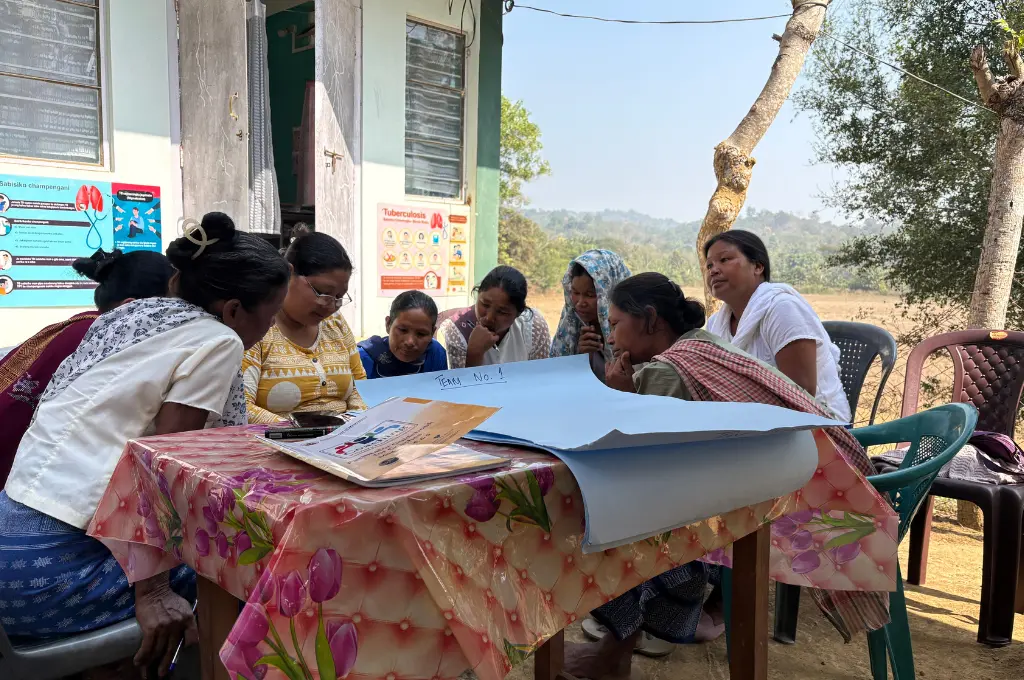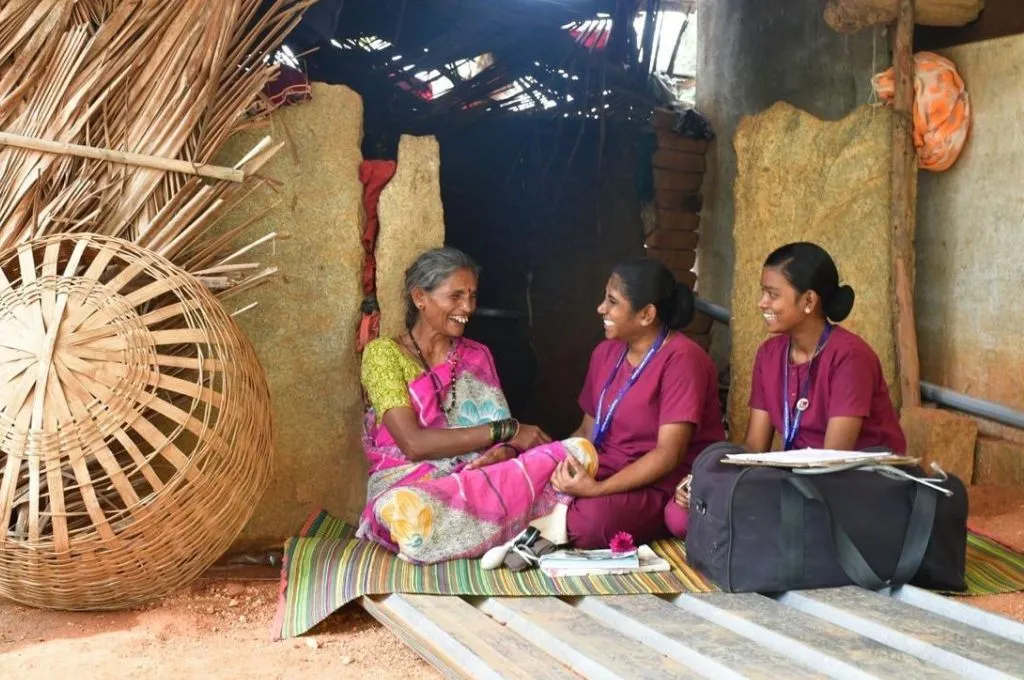
In Jharkhand, 89.6 percent of labour migrants are men. The farming season lasts six months. After that, there is little work, so they migrate in the hope of an increased income. And the women stay back to look after the household.
They manage repairs, children’s education, medicines for the elderly, and take decisions that were never theirs to make alone. They carry a constant sense of worry. They navigate community scrutiny every time they step outside the house. And they do all of this without any formal support, because no government programme is designed for them.
Research shows that wives of migrants in India consistently rate their own health lower than that of wives of non-migrants. The effect is linked to irregular remittances, broken communication, and extended separation.

In this video, Pinky Barda, mukhiya of Kuju Gram Panchayat, Seraikela Kharsawan, speaks about what this weight feels like, and how the women in her panchayat rely on one another.
—
Know more
- Read more about the mental health impact of labour migration on families in India.
- Explore IDR’s Gender Watch series.