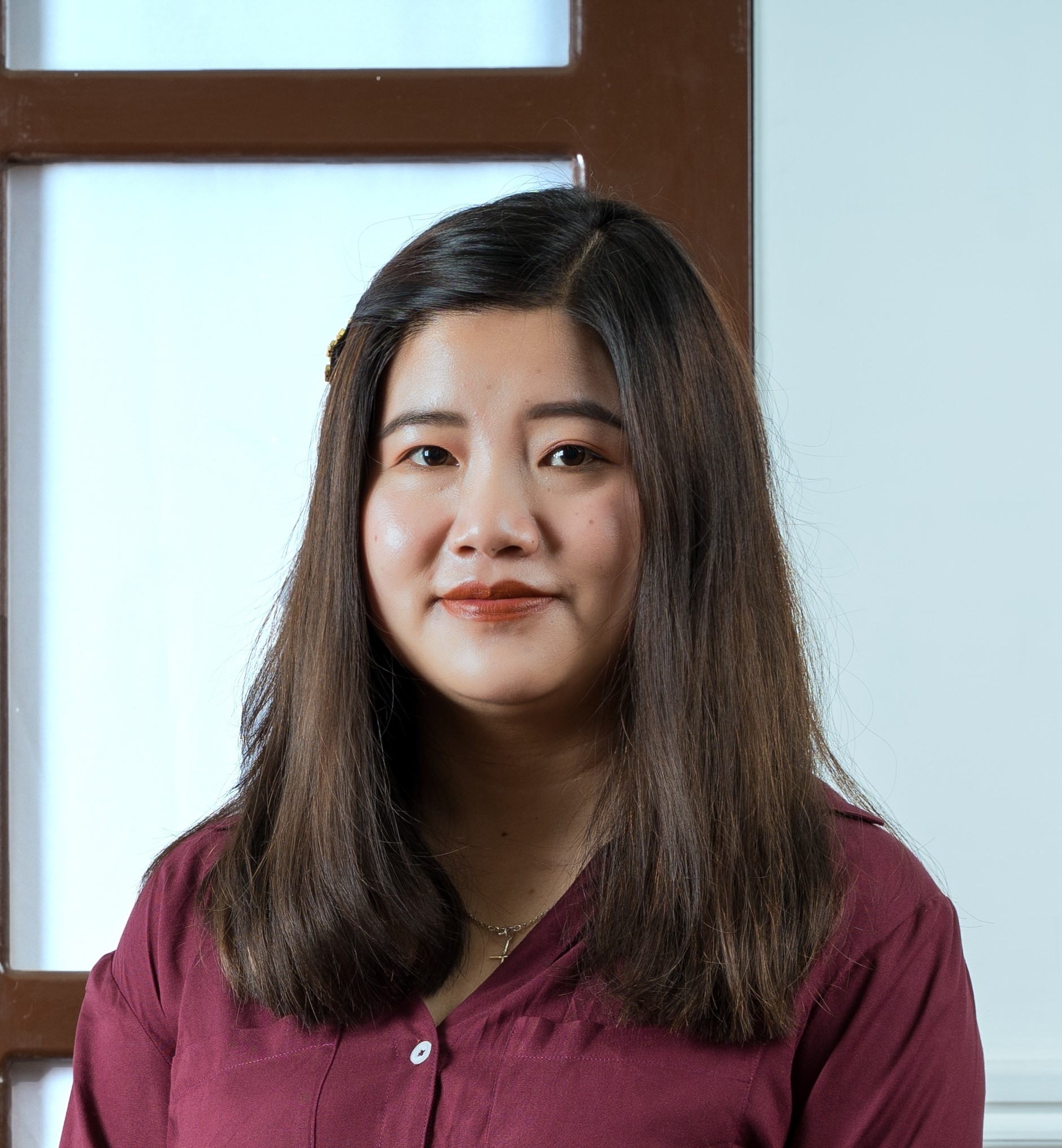
In 2015, I co-founded FLAT Mizoram with K. Zothanpuii, my junior at Bosco Institute, where I pursued my Master’s in Social Work (MSW). Based in Lunglei, FLAT Mizoram is an organisation aimed to create safe spaces for Mizoram’s youth to express themselves. We focus on young people’s issues and provide them emotional support and guidance. This is important work in our area because young people here struggle with issues of identity as society rarely sees them as individuals with their own thoughts and aspirations.
Young people in Mizoram face a complex paradox. On one hand, social media exposes them to the possibilities across the globe. On the other hand, their immediate surroundings offer limited opportunities to fulfil their desires. They compare their lives to those in bigger cities and feel stuck.
Growing up in the state, I have experienced the same feelings, and FLAT is a product of this yearning for a space where none exists: spaces where young people feel seen, heard, and are allowed to become the best version of themselves.
Although we began in Aizawl, over time we shifted much of our work to Lunglei. While the capital city naturally offers greater exposure, opportunities, and access, we realised that districts like Lunglei remained neglected. Here, young people continued to be underserved both in terms of development initiatives and emotional support.
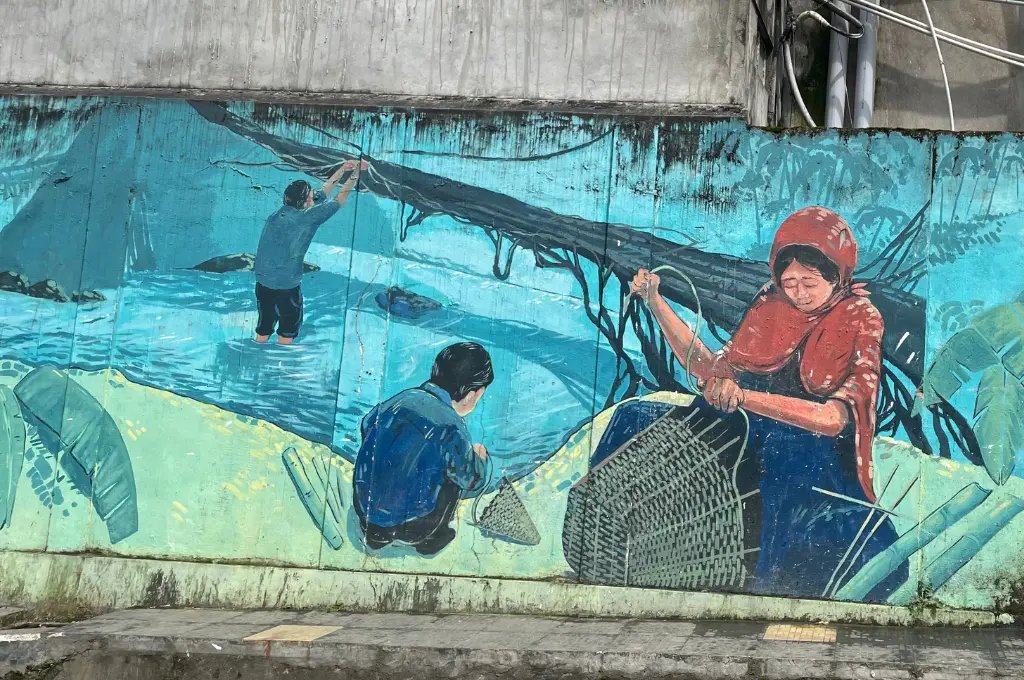
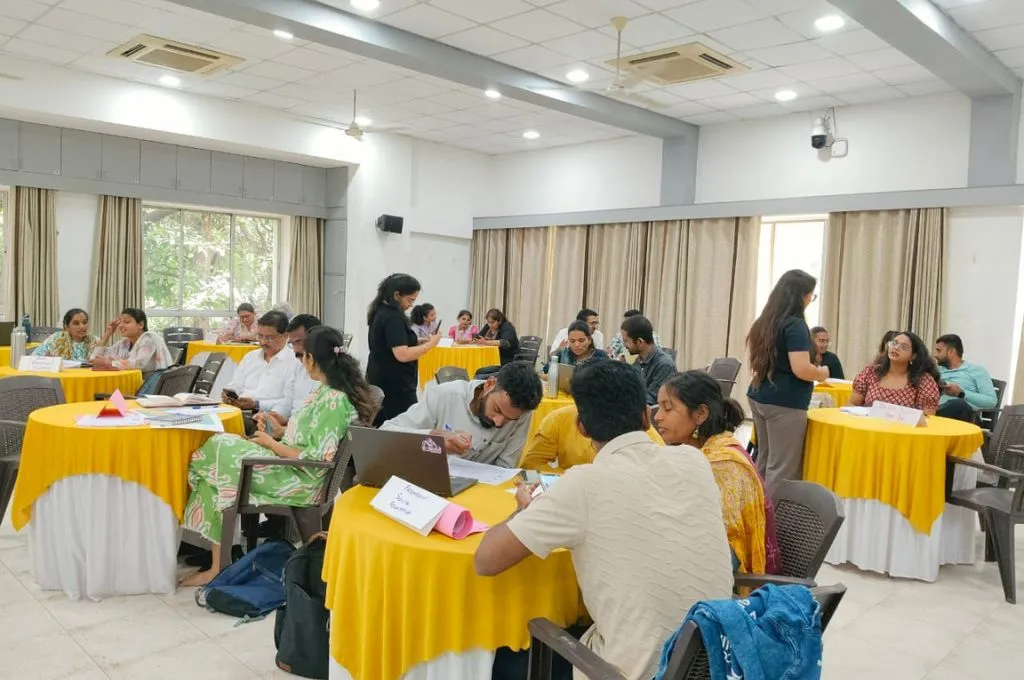
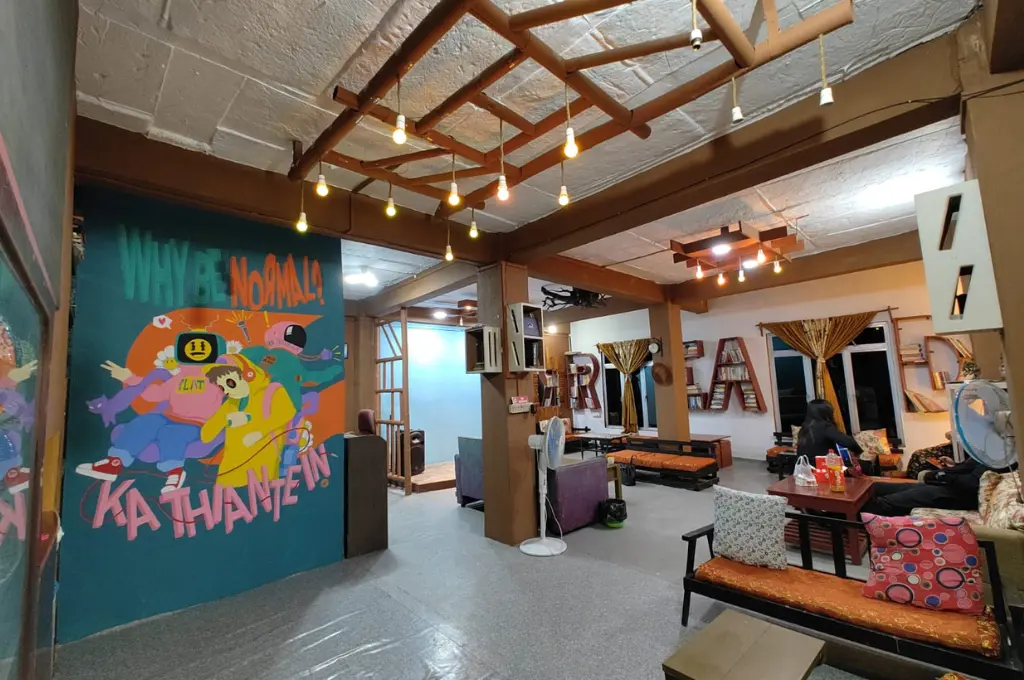
Among our core and foundational initiatives is Ka Thiante In (which translates to my friend’s home/place),a hangout zone for the youth consisting of alistening room—a place where young people can speak openly about their struggles, frustrations, and emotions without fear of judgement. We host one-on-one listening sessions, group chats, discussions, and mentoring for the youth. Even though we don’t provide clinical therapy, we focus on emotional support and healing through listening, which is an anomaly in a town full of elders who are only willing to tell others how to function. However, being an odd and unique place has its pitfalls; needless to say, our journey hasn’t been easy.
From securing funding to finding mentors and having our counterparts take our work and young people’s issues seriously, every step has been difficult. Our vision of positioning young people as equal stakeholders within society constantly runs up against rigid social structures. Churches, community organisations, and youth associations all have their set ways of functioning. And while these systems can become powerful allies, helping expand the reach and impact of social work, it isn’t easy for young organisations to collaborate with them. Further, being one of the few women-founded nonprofits in the state, we found out that relationship building is often doubly hard.
The gender question
During our initial days, I did not consciously think of myself as a woman working in a male-dominated space. But the sector kept reminding me and my co-founder that we were outsiders. In interaction after interaction, we kept hearing how difficult it was for women to sustain this kind of work. We were not trusted with long-term projects because funders and other organisations questioned whether we would be able to continue in the sector. I have been asked by friends, relatives, and mentors about what would happen to the organisation once I ‘settled down’.
There were also subtler, more uncomfortable experiences, especially in networking spaces. I have had to deal with offhand remarks about my looks and other kinds of casual sexism. People would often attempt to shift professional interactions into personal ones, expecting me to entertain calls and messages outside of working hours, something that they wouldn’t expect of a male counterpart.
Gradually, we realised that while there may not have been clear examples of what to emulate, there were many examples of what we did not want to become.
As these experiences neatly framed us as a women-run nonprofit, we looked for similar leadership models to learn from but there were none. Gradually, we realised that while there may not have been clear examples of what to emulate, there were many examples of what we did not want to become. We understood that we did not need to imitate dominant leadership styles in order to lead effectively. We could come up with our own methods that were informed by our work. Rather than following hierarchical structures, we acknowledged vulnerability, prioritised safe spaces, and learned to walk alongside people rather than competing with them.
In my personal interactions in the sector, I decided that instead of succumbing to external expectations, I will set boundaries, even if it means losing opportunities. Over time, I have come to see this as my way of challenging the narrative: not by arguing against it, but by continuing my work despite it.
An evolving nonprofit identity
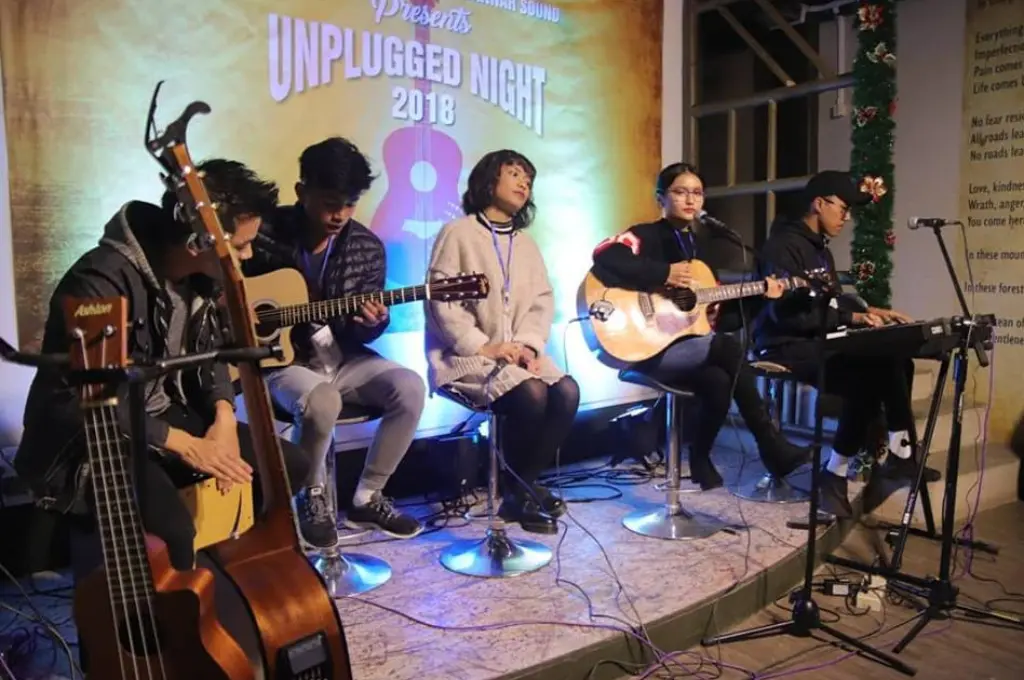
Looking back, we would have benefited from having mentors who understood the experience of women founders and also of nonprofits that decided to go against the grain in Mizoram. For example, our Personal Safety Education Program (PSEP) focuses on preventive child protection by creating awareness around child sexual abuse and personal safety, among children, parents, teachers, and communities. We do this in a state where crime reporting and social justice has to jump through the many hoops of social mores and stigma. Similarly, our life skills programmes focus on self-awareness, communication, emotional resilience, leadership, and decision-making; areas that are deeply important for young people but often overlooked in formal education systems.
In our early years, much of this work was driven by instinct, conviction, and lived experience. We knew the kind of spaces we wanted to create for young people, but we did not always have the language, structure, or organisational clarity to fully articulate it. Over time, as we worked with people, schools, and partners, our understanding of our role as a civil society organisation became clearer and more grounded.
Now I know that branding is not just about visibility; it is about helping people understand our vision.
A lot of our learning comes from the support we received from the incubation programme Youth Involve (run by Bosco Institute) and our current partners Bosco, Roots to Branches, and National Foundation for India. In the beginning, the lessons that we learned at our MSW classroom fired us to work with young people and we jumped into it. But it took us years to adapt those lessons into the realities of running a nonprofit organisation. We had to reckon with the fact that we aren’t an educational institution but a nonprofit that must constantly think about sustainability, funding, partnerships, and accountability. We could go on doing the good work without anyone noticing and it would all come to an end if we could not survive. And for survival, we needed to present our work to funders and partners. Now I know that branding is not just about visibility; it is about helping people understand our vision, values, and the purpose behind the work.
As we gained more experience, we became more intentional about how we communicate, document, and present our work. We did not change our path, but we refined our approach. Currently, we are in the process of reimagining the organisation and revisiting our vision, mission, strategy, and values to find a balance between who we are and who we want to be. We evolved from an organisation that simply created safe spaces for emotional expression to doing more intentional work around youth development, life skills, preventive child protection, mental well-being, and community engagement. As we enter our second decade, we must figure out how to professionalise ourselves while preserving our anomalous identity of a nimble, women-led, human-centred nonprofit in Mizoram.
As told to Malsawmdawngliani Tara, IDR Northeast Fellow 2025–26.
—
Know more
- Read this interview with Flavia Agnes where she tells us why securing women’s rights today seems much harder than it was in the ‘80s.
- Read a young person’s perspective on their relationship with their city, Kohima.