On October 31, 2021, I started Kutchhuak as an art page on Instagram to showcase my handmade creations—paintings, sculptures, and fridge magnets. I thought long and hard on the name of the page and decided on a Mizo word that emphasises human touch, without machinery or modern technology.
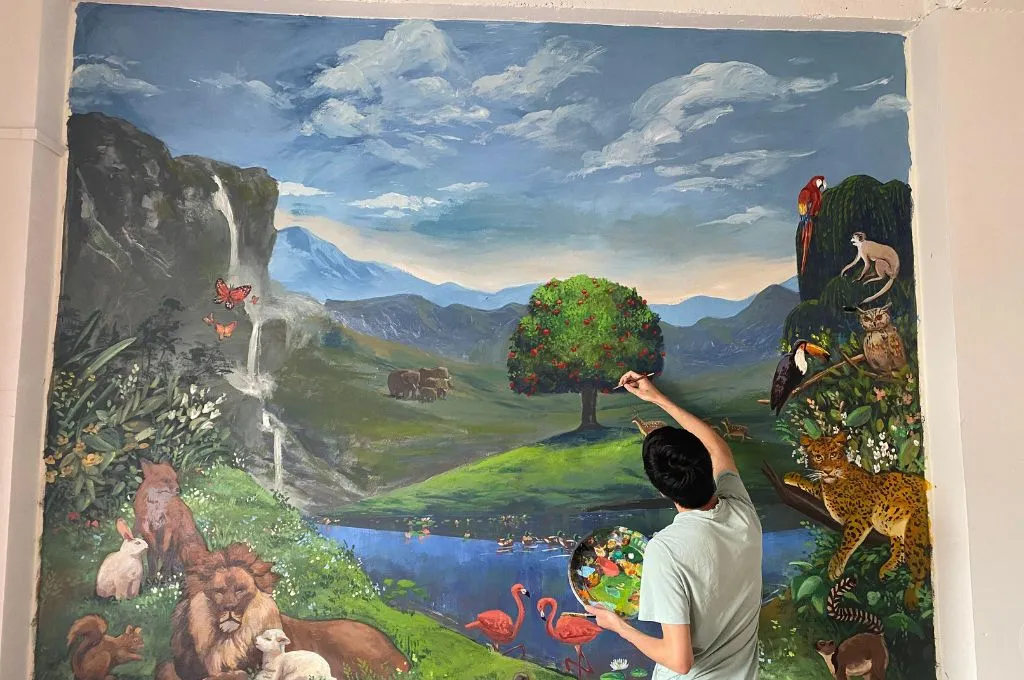
Growing up, I have always been interested in Mizo traditions. I draw my inspiration from the things I have loved as a child. I am fascinated by Mizo traditional motifs and lore. This keen interest made me pursue a bachelor’s degree in history. After this degree, a series of eye-opening trips to archaeological sites such as Kawtchhuah Ropui at Vangchhia (megalithic structures) in Mizoram’s Champhai district helped me to gain a better understanding of our culture.
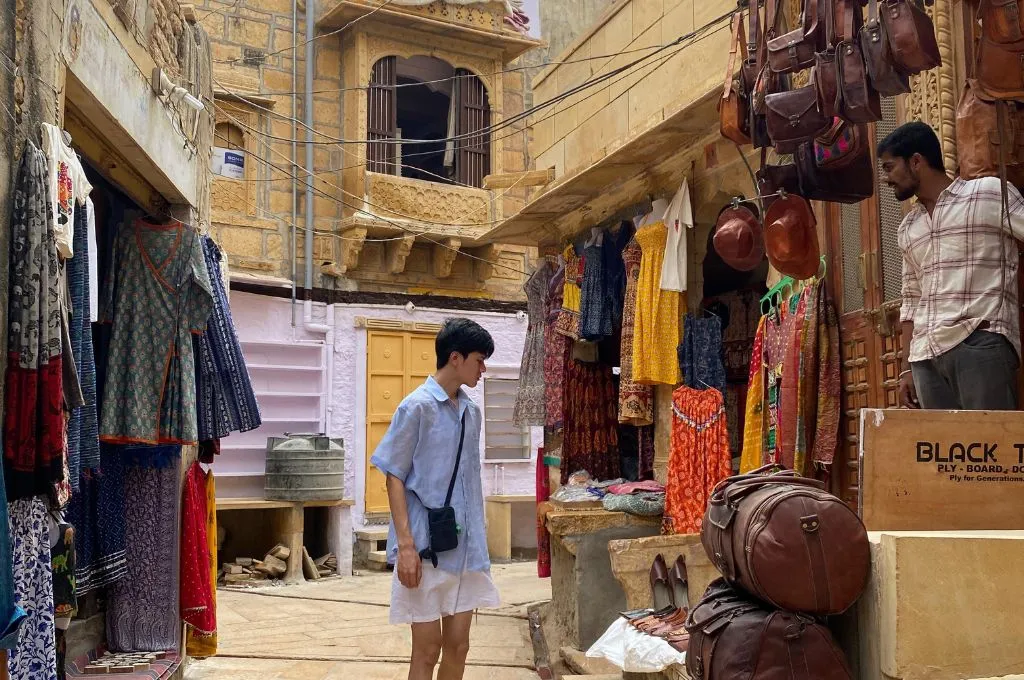
I also travelled to Jaipur and Jaisalmer in Rajasthan, where I saw how they promote and celebrate their culture. I came across perfumes made from local flower extracts. These made me think of ways I could incorporate Mizo culture in my art as an artist.

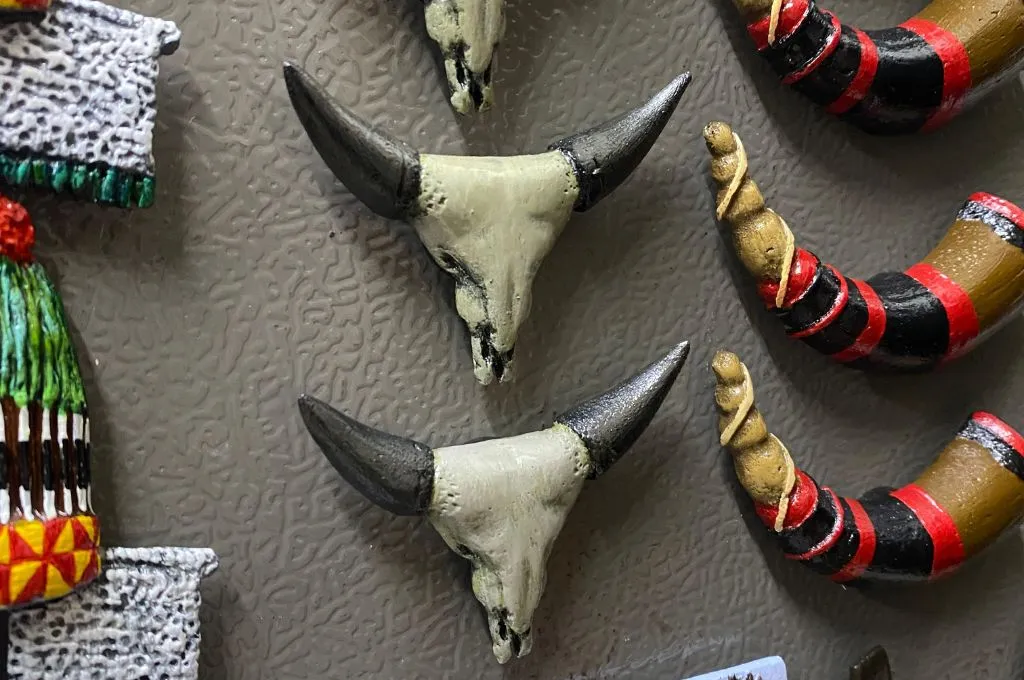
In 2023, I took this inspiration and started making fridge magnets, embedding our history and culture into each of them. I did not have much capital for the business. Initially, I paid for everything from materials to artisans’ wages from my salary as an IT teacher.
Every magnet sold at Kutchhuak.shop (our online-only shop) comes with a note that details the history of object it has been shaped after. In the Northeast, it is also important to document and speak about minor distinctions because there are often similarities between objects. For example, the lulak chem (headhunter’s machete) is often mistaken as a Naga artefact instead of a Mizo one because the Nagas have something that looks similar.
For each piece, I make sure not to miss out on a single detail. If I cannot find written sources anywhere, I consult experts and engage in a lengthy background study. For example, in our culture, while making saum bur, a dish where pork fat is stored inside a dried bottle gourd, there is a particular way in which a rope is tied around the gourd, which is kept near a warm place to ferment. When I make a gourd magnet, I would like to replicate the knot. The same meticulous attention is given to other items like the fungki (a gunpowder horn) magnet as well. I do not want the artefacts just to look real; I want every intrinsic detail to be accurate. I look for people who own these things or go to the places where they can be found.
From mould to magnet
Magnet making is a complex process. At first, I worked with locally available materials to make the moulds: white cement, clay, M-Seal, and plaster of Paris. However, I found that the end products were not durable. I searched for alternatives. It was difficult because nobody I knew had taken up a similar project. There were no tutorials, not even on YouTube. Then in 2024, I came to know about polyresin, a synthetic resin compound which is mostly used for figurines and statues, and adopted it.
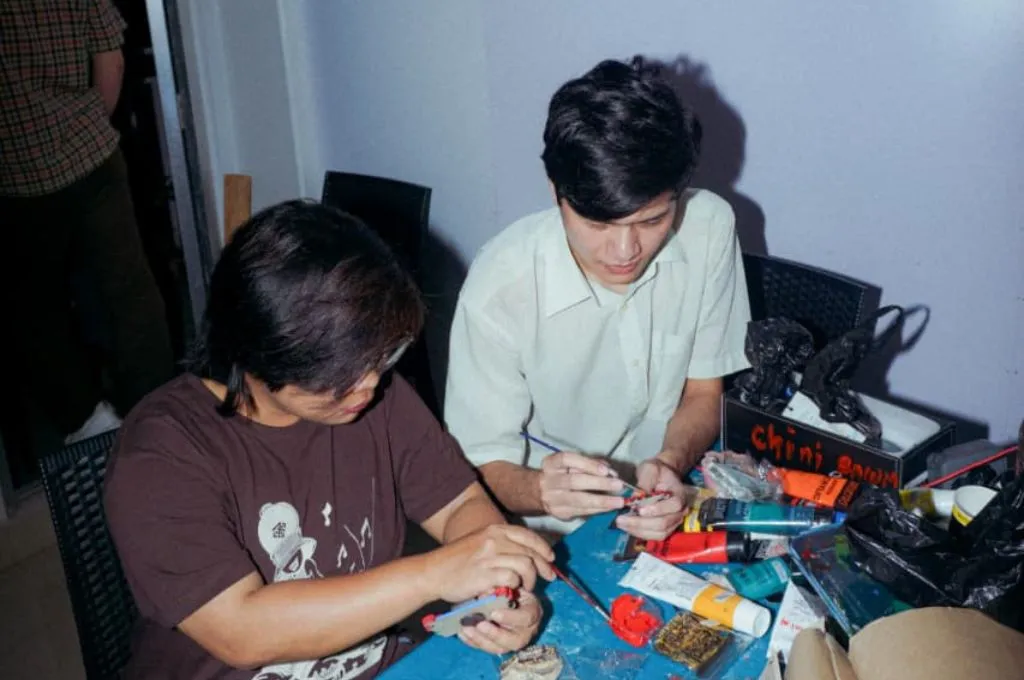
The entire production process is carried out by Mizo artists. I make the master mould first, which takes weeks. After that, Sangkimi (my artist friend) carefully uses the cast to create several magnet pieces. We also hand-paint each piece, which takes around 30 minutes to dry. Grace Ch. Ralte and Asiami Adora, my coworkers at That Art Place (an art studio I work at), also help me out whenever I need an extra pair of hands.

It has been a collective journey and we have benefitted from the support of other entrepreneurs and art patrons. In 2023, I put the artefacts on display at a stall at Mizoram University, where the professors lauded us for promoting Mizo culture. From there, we got recognised by Hnam Chhantu Pawl and Alfred Antique Collection, which led us to further exposure in the market.
Physical and virtual shops in Aizawl such as HR’EM Gifts, Hnam Chhantu Pawl, and Alfred Antique Collection have helped us by buying our products in bulk and displaying them in their shops. Because of them, our magnets are displayed at handloom shops and at the kiosk at Lengpui Airport. I have received feedback that tourists buy them more frequently than locals, and they acknowledge these little motifs because it is a representation of our culture made by Mizo hands.
Production, sourcing, and plagiarism
Ironically, one of our biggest challenges is that we do not have many hands on deck. In other words, we are understaffed. It takes a lot of time to paint each piece meticulously, and we get a fair share of orders. With a small team, the work gets tiring. Many people consider it a lowly job to help make magnets, so they do not want to take it up, even though it is profitable.
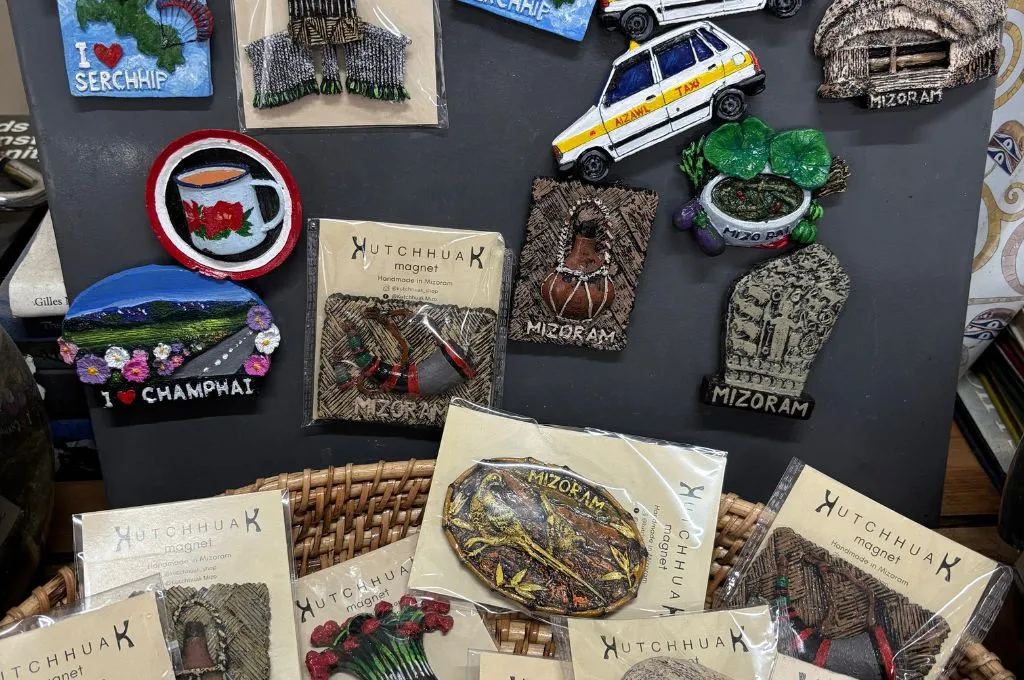
A small team also means that we have to balance our ambitions. There are a lot of eye-catching Mizo motifs that I am invested in, but not all are suitable to be sculpted into a fridge magnet as of now. For example, Vakul chang (the tail of greater racket-tailed drongo), is very thin with very minute details.. Sculpting and chiselling these fine details on a magnet is time-consuming and challenging.
Pricing is another problem. Materials cannot be sourced locally. The nearest outlet is in Assam. Even if the same material is used elsewhere, our pricing has to be higher to make up for the investment. Weather is a big factor here in Mizoram. The roads are often blocked, which delays shipments or makes transport expensive. Our prices are also higher than mass-produced magnets because of the time we put into carving and painting each piece.
Further, there are issues of duplication. People have started reproducing our designs and selling it as theirs. It is complicated because though the design is ours, the subject is our common culture, so I cannot exactly patent it. I find it unethical to reproduce other people’s specific designs. It ruins the market for budding entrepreneurs and often results in half-baked products that are not made with respect for traditions.
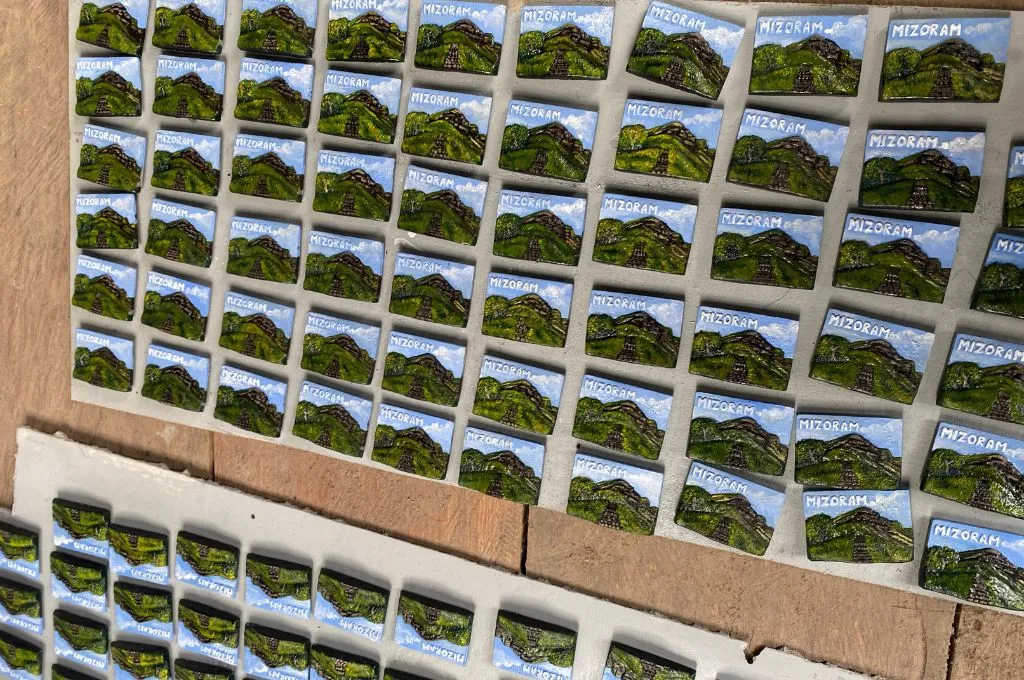
Despite these hurdles, we are appreciated by those who pay attention to the nuances of our work. Today, five artists share this studio. There is pottery, puan (a traditional handwoven cloth worn as a wrap) on display, clay art, workshops during school holidays, and sketching sessions on Saturdays. We want this to be a space where all forms of art are entertained. Similarly, Kutchhuak too is all about the community, not just magnets. It is about carefully crafting cultural capsules and handing them over to anyone who wants to learn about us, our place, our people, and our history.
As told to Malsawmdawngliani Tara, IDR Northeast Fellow 2025–26.
—
Know more
- Learn how Mizoram’s cosplayers blend art, identity, and livelihoods.
- Read more about how artists from Northeast India bring their culture and art together.