35 ವರ್ಷದ ಇಕ್ಬಾಲ್* ಅವರಿಗೆ 2022 ರಲ್ಲಿ ಅಂತಿಮ ಹಂತದ ಶ್ವಾಸಕೋಶದ ಕ್ಯಾನ್ಸರ್ ಇರುವುದು ಪತ್ತೆಯಾಯಿತು. ಅವರ ಅನಾರೋಗ್ಯದ ದೈಹಿಕ ಮತ್ತು ಮಾನಸಿಕ ಹೊರೆಯನ್ನು ಮೀರಿ, ಅವರು ಮತ್ತು ಅವರ ಕುಟುಂಬವು ಹಲವು ನಿರ್ಧಾರಗಳನ್ನು ತೆಗೆದುಕೊಳ್ಳಬೇಕಾಗಿತ್ತು. ಅವರ ಪತ್ನಿ ನೀನಾ* ಶೀಘ್ರದಲ್ಲೇ ಅವರ ಇಬ್ಬರು ಚಿಕ್ಕ ಮಕ್ಕಳಿಗೆ ಪ್ರಾಥಮಿಕ ಜೀವನೋಪಾಯ ಒದಗಿಸುವವಳು ಮತ್ತು ಆರೈಕೆ ಮಾಡುವವಳಾಗಿದ್ದಳು. ಇಕ್ಬಾಲ್ ಯಾವುದೇ ವಿಲ್ ಸಿದ್ಧಪಡಿಸಿರಲಿಲ್ಲ, ಮತ್ತು ಅವರ ಆಸ್ತಿಗಳು ಅನಿಶ್ಚಿತವಾಗಿದ್ದವು. ಇದಲ್ಲದೆ, ಅವರೊಂದಿಗಿನ ಸಂಬಂಧ ಹದಗೆಟ್ಟಿದ್ದರಿಂದ ಅವರ ರೋಗದ ಮುನ್ನರಿವಿನ ಬಗ್ಗೆ ಪೋಷಕರಿಗೆ ತಿಳಿಸಲು ಅವರು ಬಯಸಲಿಲ್ಲ.
2023 ರಲ್ಲಿ ಇಕ್ಬಾಲ್ ನಮ್ಮ ರೋಗಿಯಾಗಿದ್ದರು. ಒಬ್ಬ ವೈದ್ಯರು, ಇಬ್ಬರು ನರ್ಸ್ ಮತ್ತು ಸಲಹೆಗಾರರನ್ನು ಒಳಗೊಂಡ ನಮ್ಮ ತಂಡವು ನಾವು ಯಾವ ರೀತಿಯ ಬೆಂಬಲವನ್ನು ನೀಡಬಹುದು ಎಂಬುದನ್ನು ಮೌಲ್ಯಮಾಪನ ಮಾಡಲು ಅವರನ್ನು ಭೇಟಿ ಮಾಡಿತು. ವೈದ್ಯರು ಅವರ ರೋಗಲಕ್ಷಣಗಳನ್ನು ನಿರ್ಣಯಿಸಿ ಆರೈಕೆ ಯೋಜನೆಯನ್ನು ರೂಪಿಸಿದರು. ಇಕ್ಬಾಲ್ ಭಾಗಶಃ ಹಾಸಿಗೆ ಹಿಡಿದಿದ್ದರಿಂದ, ಅವರ ಚರ್ಮದ ಆರೈಕೆ ಮತ್ತು ಮೌಖಿಕ ಆರೈಕೆಯನ್ನು ಹೇಗೆ ನಿರ್ವಹಿಸಬೇಕೆಂದು ನರ್ಸ್ ಅವರಿಗೆ ಕಲಿಸಿದರು. ಸಲಹೆಗಾರರು ದಂಪತಿಗಳ ಭಾವನಾತ್ಮಕ ಅಗತ್ಯಗಳನ್ನು ಆಲಿಸಿದರು, ಅವರ ಚಿಕ್ಕ ಮಕ್ಕಳಿಗೆ ಸುದ್ದಿ ತಿಳಿಸುವ ಬಗ್ಗೆ ಕಾಳಜಿ ಸೇರಿದಂತೆ. ನೀನಾ ಭಾವನಾತ್ಮಕ ಪ್ರಕ್ಷುಬ್ಧತೆಯ ಸ್ಥಿತಿಯಲ್ಲಿದ್ದರು; ಇಕ್ಬಾಲ್ ಸ್ವತಃ ಖಿನ್ನತೆಗೆ ಒಳಗಾಗಿದ್ದರು ಮತ್ತು ಅವರ ಔಷಧಿಗಳನ್ನು ತೆಗೆದುಕೊಳ್ಳಲು ನಿರಾಕರಿಸಿದರು. ಅಂತಿಮವಾಗಿ ಅವರು ತಮ್ಮ ಹೆತ್ತವರಿಗೆ ತಿಳಿಸಲು ಒಪ್ಪಿಕೊಂಡಾಗ, ಅವರು ಅದನ್ನು ಸ್ವತಃ ಮಾಡಲು ಬಯಸಲಿಲ್ಲ. ಆದ್ದರಿಂದ, ನಾವು ಅವರ ಪೋಷಕರೊಂದಿಗೆ ನಾಲ್ಕು ಗಂಟೆಗಳ ಕಾಲ ಕುಳಿತು ಅವರ ಮುನ್ನರಿವನ್ನು ವಿವರಿಸಲು, ಅವರ ಪ್ರಶ್ನೆಗಳಿಗೆ ಉತ್ತರಿಸಲು ಮತ್ತು ಅವರು ಅನುಭವಿಸುತ್ತಿರುವ ಸಂಕೀರ್ಣ ಭಾವನೆಗಳ ಮಧ್ಯೆ ದಾರಿ ಕಂಡುಕೊಳ್ಳಲು ಸಹಾಯ ಮಾಡಿದೆವು.
ನಾವು ಕುಟುಂಬವನ್ನು ಪರ್ಯಾಯ ದಿನಗಳಲ್ಲಿ ಭೇಟಿಯಾಗಿ, ಪರಿಸ್ಥಿತಿಯನ್ನು ನಿಭಾಯಿಸಲು ವೈದ್ಯಕೀಯ ಮತ್ತು ಮಾನಸಿಕ ಬೆಂಬಲವನ್ನು ನೀಡಿದೆವು. ಅವರ ಆಸ್ತಿಗಳನ್ನು ನಿರ್ವಹಿಸಲು ಸಹಾಯ ಮಾಡುವ ಕಾನೂನು ಸಂಪರ್ಕವನ್ನು ಸಹ ನಾವು ಅವರಿಗೆ ಒದಗಿಸಿದೆವು.
ಇದು ನಮ್ಮ ಜೀವನದಲ್ಲಿ ಒಂದು ದಿನ.
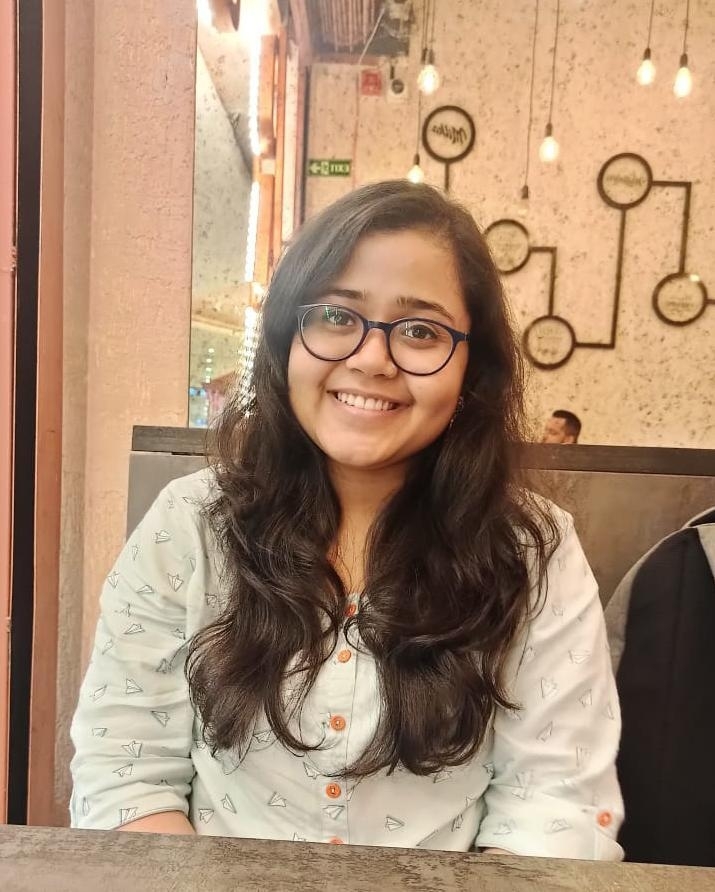
ನಾವು, ಶ್ರುತಿ ಮತ್ತು ಅಂಕಿತಾ, ಮುಂಬೈನಲ್ಲಿ ಕ್ರಮವಾಗಿ ಸಲಹೆಗಾರರಾಗಿ ಮತ್ತು ನರ್ಸ್ ಆಗಿ ಕೆಲಸ ಮಾಡುತ್ತೇವೆ. ನಾವು ಪಾಲ್ಕೇರ್ನಲ್ಲಿ ವೈದ್ಯಕೀಯ ತಂಡದ ಭಾಗವಾಗಿದ್ದೇವೆ – ಜಿಮ್ಮಿ ಎಸ್ ಬಿಲಿಮೋರಿಯಾ ಫೌಂಡೇಶನ್ ಒದಗಿಸುವ ಸೇವೆಯು ಜೀವನವನ್ನು ಸೀಮಿತಗೊಳಿಸುವ ಮತ್ತು ದುರ್ಬಲಗೊಳಿಸುವ ಪರಿಸ್ಥಿತಿಗಳನ್ನು ಹೊಂದಿರುವ ರೋಗಿಗಳಿಗೆ ನೋವು-ಮುಕ್ತ, ಆರಾಮದಾಯಕ ಮತ್ತು ಭಾವನಾತ್ಮಕವಾಗಿ ಸ್ಥಿರವಾದ ಜೀವನವನ್ನು ನಡೆಸಲು ಮನೆ ಆಧಾರಿತ ಉಪಶಾಮಕ ಆರೈಕೆ ಸೇವೆಗಳನ್ನು ಒದಗಿಸುವ ಕೆಲಸ ಮಾಡುತ್ತದೆ. ನಾವು ನಗರದಲ್ಲಿ ಕೆಲಸ ಮಾಡುವ ಒಂಬತ್ತು ತಂಡಗಳಲ್ಲಿ ಒಂದಾಗಿದೆ ಮತ್ತು ನಮ್ಮ ತಂಡವು ನೇರವಾಗಿ 50–60 ರೋಗಿಗಳೊಂದಿಗೆ ತೊಡಗಿಸಿಕೊಂಡಿದೆ. ಆನ್ಲೈನ್ ಮತ್ತು ಮೌಖಿಕ ಉಲ್ಲೇಖಗಳ ಜೊತೆಗೆ, ನಾವು ಪ್ರಧಾನವಾಗಿ ಆಂಕೊಲಾಜಿ ವಿಭಾಗಗಳಿಂದ ರೋಗಿಯ ಉಲ್ಲೇಖಗಳನ್ನು ಸ್ವೀಕರಿಸುತ್ತೇವೆ. ನಮ್ಮ ಹೆಚ್ಚಿನ ರೋಗಿಗಳು ಕೊನೆಯ ಹಂತದ ಕ್ಯಾನ್ಸರ್ ಹೊಂದಿರುವ ಜನರು.
07.00 AM
ಶ್ರುತಿ: ನಾನು ಬೆಳಿಗ್ಗೆ 7 ರಿಂದ 7.30 ರ ನಡುವೆ ಎಚ್ಚರಗೊಂಡು, ಉಪಾಹಾರ ತಯಾರಿಸಿ, ದಿನಕ್ಕೆ ಸಿದ್ಧವಾಗುತ್ತೇನೆ. ನಾನು ನನ್ನ ಪತಿಯೊಂದಿಗೆ ವಾಸಿಸುತ್ತಿದ್ದೇನೆ. ನಾನು 17 ವರ್ಷದವಳಾಗಿದ್ದಾಗ ಮನೋವಿಜ್ಞಾನದಲ್ಲಿ ಶಿಕ್ಷಣ ಪಡೆಯಲು ಕೋಲ್ಕತ್ತಾದಿಂದ ಮುಂಬೈಗೆ ಸ್ಥಳಾಂತರಗೊಂಡೆ ಮತ್ತು ಆಗಿನಿಂದ ಇಲ್ಲಿಯೇ ಇದ್ದೇನೆ. ನನ್ನ ಕುಟುಂಬದಲ್ಲಿ ಯಾರೂ ವೈದ್ಯಕೀಯ ಕ್ಷೇತ್ರದಲ್ಲಿಲ್ಲ, ಆದರೆ ಶಾಲೆಯಲ್ಲಿ ನನಗೆ ಮನೋವಿಜ್ಞಾನವನ್ನು ಪರಿಚಯಿಸಿದ ನಂತರ ನಾನು ಅದನ್ನು ಅಧ್ಯಯನ ಮಾಡಲು ಬಯಸಿದ್ದೆ. ಮಾನವ ಭಾವನೆಗಳು ಮತ್ತು ವ್ಯಕ್ತಿತ್ವಗಳ ಒಳನೋಟ, ವಿಶೇಷವಾಗಿ ನಮ್ಮ ಮೆದುಳು ಬಿಕ್ಕಟ್ಟಿನಲ್ಲಿದ್ದಾಗ, ನನಗೆ ತುಂಬಾ ಆಸಕ್ತಿದಾಯಕವಾಗಿತ್ತು ಮತ್ತು ಮುಂದುವರಿಯುತ್ತದೆ.
ನಾನು 2022 ರಲ್ಲಿ ಕ್ಲಿನಿಕಲ್ ಸೈಕಾಲಜಿಯಲ್ಲಿ ಸ್ನಾತಕೋತ್ತರ ಪದವಿಯನ್ನು ಪೂರ್ಣಗೊಳಿಸುತ್ತಿದ್ದಾಗ, ನೇಮಕಾತಿದಾರರು ನಮ್ಮ ವಿಶ್ವವಿದ್ಯಾಲಯಕ್ಕೆ ಭೇಟಿ ನೀಡಿ ಸೈಕೋ-ಆಂಕೊಲಾಜಿ ಬಗ್ಗೆ ಹೇಳಿದರು – ಇದು ಕ್ಯಾನ್ಸರ್ ಆರೈಕೆಯಲ್ಲಿ ಅಂತರಶಿಸ್ತೀಯ ಕ್ಷೇತ್ರವಾಗಿದ್ದು, ಇದು ರೋಗಿಯ ಮತ್ತು ಅವರ ಕುಟುಂಬದ ಭಾವನಾತ್ಮಕ, ನಡವಳಿಕೆ ಮತ್ತು ಸಾಮಾಜಿಕ ಅಗತ್ಯಗಳನ್ನು ಅಧ್ಯಯನ ಮಾಡುತ್ತದೆ.
ಗಂಭೀರ ಕಾಯಿಲೆಗಳಲ್ಲಿ, ಉಪಶಾಮಕ ಆರೈಕೆಯು ರೋಗಲಕ್ಷಣಗಳ ನಿಯಂತ್ರಣ ಮತ್ತು ನೋವು ನಿರ್ವಹಣೆಗೆ ಸಹಾಯ ಮಾಡುವುದರಿಂದ, ಅದನ್ನು ಮೊದಲೇ ಮತ್ತು ಚಿಕಿತ್ಸಕ ಚಿಕಿತ್ಸೆಯ ಜೊತೆಗೆ ಪ್ರಾರಂಭಿಸಬೇಕು.
ಈ ಸಮಯದಲ್ಲಿ ನಾನು ಉಪಶಾಮಕ ಆರೈಕೆಯ ಬಗ್ಗೆ ಕಲಿತಿದ್ದೇನೆ. ಅದರ ಬಗ್ಗೆ ಇನ್ನೂ ಬಹಳಷ್ಟು ತಪ್ಪು ಕಲ್ಪನೆಗಳಿವೆ. ನನ್ನ ಸ್ವಂತ ಕುಟುಂಬವು ಕಾಲಾನಂತರದಲ್ಲಿ ಉಪಶಾಮಕ ಆರೈಕೆಯ ಬಗ್ಗೆ ಹೆಚ್ಚು ಬಲವಾದ ತಿಳುವಳಿಕೆಯನ್ನು ಬೆಳೆಸಿಕೊಂಡಿದೆ. ನಾನು ಮೊದಲು ಪ್ರಾರಂಭಿಸಿದಾಗ, ನನ್ನ ಸಂಬಂಧಿಕರಲ್ಲಿ ಯಾರಿಗೂ ಅದು ಏನೆಂದು ತಿಳಿದಿರಲಿಲ್ಲ – ನಾನು ಈ ಕ್ಷೇತ್ರದಲ್ಲಿ ಏಕೆ ಇರಬೇಕೆಂದು ಬಯಸಿದ್ದೆ, ‘ಸಾಯಲಿರುವ’ ಜನರಿಗೆ ನಾನು ಏಕೆ ಸಮಾಲೋಚನೆ ನೀಡಲು ಬಯಸುತ್ತೇನೆ ಮತ್ತು ನಾನು ಇದಕ್ಕಾಗಿ ಇತರರ ಮನೆಗಳಿಗೆ ಹೋಗಲು ಏಕೆ ಬಯಸುತ್ತೇನೆ ಎಂದು ಅವರು ಕೇಳುತ್ತಿದ್ದರು.
ಜನರು ಕ್ಯಾನ್ಸರ್ನಂತಹ ಕಾಯಿಲೆಗಳನ್ನು ಆಸ್ಪತ್ರೆ ಅಥವಾ ಶುಶ್ರೂಷಾ ಕೇಂದ್ರ ಯೊಂದಿಗೆ ಸಂಯೋಜಿಸುತ್ತಾರೆ; ಉಪಶಾಮಕ ಆರೈಕೆಯು ಜೀವನದ ಅಂತ್ಯಕ್ಕೆ ಮಾತ್ರ ಎಂಬ ಊಹೆಯೂ ಇದೆ. ಆದರೆ ಇದು ನಿಜವಲ್ಲ. ಗಂಭೀರ ಕಾಯಿಲೆಗಳಲ್ಲಿ, ಉಪಶಾಮಕ ಆರೈಕೆಯು ಬೇಗನೆ ಮತ್ತು ಚಿಕಿತ್ಸಕ ಚಿಕಿತ್ಸೆಯ ಜೊತೆಗೆ ಪ್ರಾರಂಭವಾಗಬೇಕು ಏಕೆಂದರೆ ಇದು ರೋಗಲಕ್ಷಣ ನಿಯಂತ್ರಣ ಮತ್ತು ನೋವು ನಿರ್ವಹಣೆಗೆ ಸಹಾಯ ಮಾಡುತ್ತದೆ ಮತ್ತು ರೋಗಿಗಳು ಮತ್ತು ಕುಟುಂಬಗಳಿಗೆ ತಿಳುವಳಿಕೆಯುಳ್ಳ ನಿರ್ಧಾರಗಳನ್ನು ತೆಗೆದುಕೊಳ್ಳುವಲ್ಲಿ ಸಹಾಯ ಮಾಡುತ್ತದೆ.
ಅದೇನೇ ಇದ್ದರೂ, ಮಾರಕ ಕಾಯಿಲೆಯು ರೋಗಿಗೆ ಮತ್ತು ಅವರ ಕುಟುಂಬಕ್ಕೆ ಅತ್ಯಂತ ತೀವ್ರವಾದ ಮತ್ತು ಸಂಕೀರ್ಣ ಒತ್ತಡಗಳಲ್ಲಿ ಒಂದಾಗಿರಬಹುದು. ಒಂದು ಪ್ರಕರಣವು ಗುಣಪಡಿಸಬಹುದಾದಾಗ, ಸಂಭಾಷಣೆಗಳು ಹೆಚ್ಚು ಆಶಾದಾಯಕವಾಗಿರುತ್ತವೆ, ಇದು ಜನರು ಅದನ್ನು ನಿಭಾಯಿಸಲು ಸಹಾಯ ಮಾಡುತ್ತದೆ. ಆದರೆ ರೋಗಿಗೆ ಒಂದು ತಿಂಗಳು ಅಥವಾ ಒಂದು ವರ್ಷ ಬದುಕಲು ಸಮಯವಿದ್ದಾಗ ನೀವು ಏನು ಮಾಡುತ್ತೀರಿ? ಈ ವಾಸ್ತವವನ್ನು ಎದುರಿಸುವಲ್ಲಿ ನೀವು ಅವರನ್ನು ಮತ್ತು ಅವರ ಕುಟುಂಬಗಳನ್ನು ಹೇಗೆ ಬೆಂಬಲಿಸುತ್ತೀರಿ?
ಇವು ನಾವು ಪ್ರತಿದಿನ ನಡೆಸುವ ಸಂಭಾಷಣೆಗಳು. ಪ್ರತಿದಿನ ಬೆಳಿಗ್ಗೆ, ಅಂಕಿತಾ ಮತ್ತು ನಾನು ಬೆಳಿಗ್ಗೆ 9 ರಿಂದ 9.30 ರ ನಡುವೆ ರೈಲು ನಿಲ್ದಾಣದಲ್ಲಿ ಭೇಟಿಯಾಗುತ್ತೇವೆ, ನಮ್ಮ ರೋಗಿಗಳ ಮನೆಗಳಿಗೆ ದಿನದ ಭೇಟಿಯನ್ನು ಪ್ರಾರಂಭಿಸುತ್ತೇವೆ.
ಅಂಕಿತಾ: ನಾನು ದಿನಕ್ಕೆ ಸಿದ್ಧವಾಗಲು ಬೆಳಿಗ್ಗೆ 7 ಗಂಟೆಗೆ ಎದ್ದೇಳುತ್ತೇನೆ. ನಾನು ನನ್ನ ಕುಟುಂಬದೊಂದಿಗೆ ವಾಸಿಸುತ್ತಿದ್ದೇನೆ. ನನ್ನ ತಂದೆ ನಿವೃತ್ತರಾಗಿದ್ದಾರೆ, ನನ್ನ ತಾಯಿ ಗೃಹಿಣಿ, ಮತ್ತು ನನ್ನ ಸಹೋದರಿ ಅಕೌಂಟೆಂಟ್ ಆಗಿ ಕೆಲಸ ಮಾಡುತ್ತಾರೆ. 12 ನೇ ತರಗತಿ ಮುಗಿಸಿದ ನಂತರ, ನಾನು ವೈದ್ಯಕೀಯ ಶಿಕ್ಷಣವನ್ನು ಪಡೆಯಲು ಬಯಸುತ್ತೇನೆ ಎಂಬುದು ನನಗೆ ಸ್ಪಷ್ಟವಾಗಿತ್ತು. ಆದರೆ ನಾನು ವೈದ್ಯನಾಗಬೇಕೋ ಅಥವಾ ನರ್ಸ್ ಆಗಬೇಕೋ ಎಂದು ನನಗೆ ಖಚಿತವಿರಲಿಲ್ಲ. ನನ್ನ ಇಬ್ಬರು ಸಂಬಂಧಿಕರು ನರ್ಸ್, ಆದ್ದರಿಂದ ನನ್ನ ತಾಯಿ ಅದೇ ವೃತ್ತಿಯನ್ನು ತೆಗೆದುಕೊಳ್ಳಲು ಸಲಹೆ ನೀಡಿದರು.
ನಾನು ಎರಡು ವರ್ಷಗಳ ಕಾಲ ಆಸ್ಪತ್ರೆಗಳಲ್ಲಿ ಕೆಲಸ ಮಾಡಿದೆ. COVID-19 ಸಾಂಕ್ರಾಮಿಕ ಸಮಯದಲ್ಲಿ, ನನ್ನ ಸ್ನೇಹಿತರೊಬ್ಬರು ನನಗೆ ಉಪಶಾಮಕ ಆರೈಕೆಯನ್ನು ಪರಿಚಯಿಸಿದರು. ಪಾಲ್ಕೇರ್ಗೆ ಸೇರಿದ ನಂತರ, ಉಪಶಾಮಕ ಆರೈಕೆಗೆ ನಿರ್ದಿಷ್ಟವಾದ ತಂತ್ರಗಳನ್ನು ಕಲಿಯಲು ನಾನು ಆಂತರಿಕ ಮತ್ತು ಬಾಹ್ಯ ತರಬೇತಿಗಳ ಮೂಲಕ ಹೋದೆ. ನಮ್ಮ ಕೆಲಸವು ಚಿಕಿತ್ಸೆಯನ್ನು ಒದಗಿಸುವುದರ ಬಗ್ಗೆ ಮಾತ್ರವಲ್ಲ; ಇದು ಆರೈಕೆಯನ್ನು ಒದಗಿಸುವುದರ ಬಗ್ಗೆಯೂ ಆಗಿದೆ. ಇದು ಸಹಾನುಭೂತಿ ಮತ್ತು ಸಮರ್ಪಣೆಯೊಂದಿಗೆ ಸಂವಹನ ನಡೆಸುವುದು; ಒತ್ತಡದ ಹುಣ್ಣುಗಳು, ವಾಕರಿಕೆ, ಉಸಿರಾಟದ ತೊಂದರೆ, ಚಡಪಡಿಕೆ ಮತ್ತು ಲಿಂಫೆಡೆಮಾದಂತಹ ಸಾಮಾನ್ಯ ಲಕ್ಷಣಗಳನ್ನು ನಿರ್ವಹಿಸುವುದು; ಮತ್ತು ಪ್ರಾಥಮಿಕ ಆರೈಕೆದಾರರಿಗೆ ಅದೇ ಬಗ್ಗೆ ತರಬೇತಿ ನೀಡುವುದನ್ನು ಒಳಗೊಂಡಿದೆ.
ಐದು ವರ್ಷಗಳಿಗೂ ಹೆಚ್ಚು ಕಾಲ ಉಪಶಾಮಕ ಆರೈಕೆಯಲ್ಲಿ ಕೆಲಸ ಮಾಡಿರುವುದರಿಂದ, ಇಂದು ನನ್ನ ನಿರ್ಧಾರದ ಬಗ್ಗೆ ನನಗೆ ಸಂತೋಷವಾಗಿದೆ. ಜನರನ್ನು ನೋಡಿಕೊಳ್ಳುವುದು ಮತ್ತು ಅವರಿಗೆ ಪರಿಹಾರ ನೀಡುವುದು ನನಗೆ ಅದ್ಭುತ ಸಂತೋಷವನ್ನು ತರುತ್ತದೆ.
ನಾನು ಬೆಳಿಗ್ಗೆ ತಯಾರಾದ ನಂತರ, 9 ಗಂಟೆಗೆ ಶ್ರುತಿಯನ್ನು ಭೇಟಿಯಾಗಲು ಹೊರಡುತ್ತೇನೆ.
09.00 AM
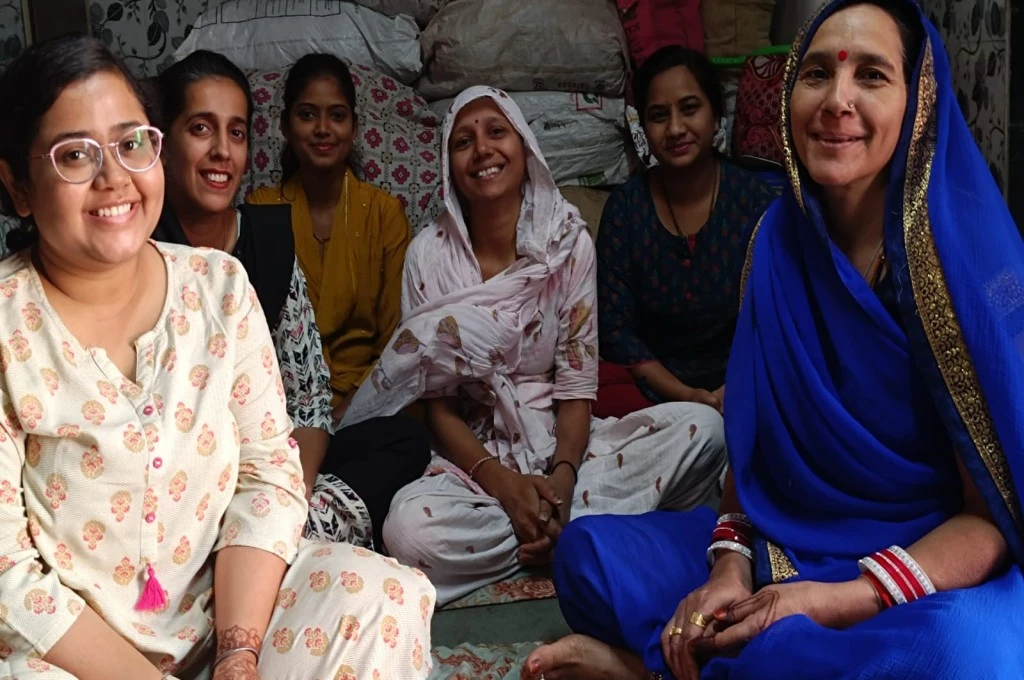
ಶ್ರುತಿ ಮತ್ತು ಅಂಕಿತಾ: ಪ್ರತಿ ದಿನವೂ ವಿಭಿನ್ನವಾಗಿ ಕಾಣುತ್ತದೆ. ಪ್ರತಿದಿನ ಪ್ರತಿಯೊಬ್ಬ ರೋಗಿಯನ್ನು ನೋಡುವುದು ನಮಗೆ ಸಾಧ್ಯವಿಲ್ಲ ಮತ್ತು ಆಗಾಗ ಅಗತ್ಯವಿಲ್ಲದ ಕಾರಣ, ನಾವು ಅವರ ವೈದ್ಯಕೀಯ ಸ್ಥಿತಿಯ ಆಧಾರದ ಮೇಲೆ ಅವರನ್ನು ‘ಕಡಿಮೆ’, ‘ಮಧ್ಯಮ’, ಮತ್ತು ‘ಹೆಚ್ಚಿನ’ ಆದ್ಯತೆ ಎಂದು ವರ್ಗೀಕರಿಸುತ್ತೇವೆ ಮತ್ತು ಅದಕ್ಕೆ ಅನುಗುಣವಾಗಿ ನಮ್ಮ ಭೇಟಿಗಳನ್ನು ಯೋಜಿಸುತ್ತೇವೆ. ನಾವು ವಿಭಿನ್ನ ಅಗತ್ಯಗಳನ್ನು ಮೌಲ್ಯಮಾಪನ ಮಾಡುವ ಮೂಲಕ, ಅದನ್ನು ಹೊಂದಿಕೊಳ್ಳುವಂತೆ ಇರಿಸಿಕೊಳ್ಳುವ ಮೂಲಕ ಮತ್ತು ರೋಗಿಯ ಮತ್ತು ಕುಟುಂಬದ ಅವಶ್ಯಕತೆಗಳನ್ನು ಗಣನೆಗೆ ತೆಗೆದುಕೊಳ್ಳುವ ಮೂಲಕ ಪ್ರತಿದಿನ ಈ ಮೌಲ್ಯಮಾಪನವನ್ನು ಮಾಡುತ್ತೇವೆ. ಉದಾಹರಣೆಗೆ, ಒಬ್ಬ ರೋಗಿಯು ದೈಹಿಕವಾಗಿ ಉತ್ತಮವಾಗಿ ಕಾರ್ಯನಿರ್ವಹಿಸುತ್ತಿದ್ದರೂ, ಅವರಿಗೆ ಅಥವಾ ಅವರ ಕುಟುಂಬಕ್ಕೆ ಭಾವನಾತ್ಮಕ ಬೆಂಬಲದ ಅಗತ್ಯವಿರಬಹುದು, ಇದು ದೈಹಿಕ ಲಕ್ಷಣಗಳಿಗೆ ಸಂಬಂಧಿಸಿದಂತೆ ಅವರಿಗೆ ಕಡಿಮೆ ಆದ್ಯತೆಯನ್ನು ನೀಡುತ್ತದೆ ಆದರೆ ಇನ್ನೂ ಅನುಸರಣೆಯ ಅಗತ್ಯವಿರುತ್ತದೆ. ಈ ಸಂದರ್ಭದಲ್ಲಿ, ದೈಹಿಕ ಲಕ್ಷಣಗಳನ್ನು ನಿರ್ವಹಿಸಲು ಸಹಾಯದ ಅಗತ್ಯವಿರುವ ರೋಗಿಗೆ ವಿರುದ್ಧವಾಗಿ ಶ್ರುತಿ ಅವರನ್ನು ಹೆಚ್ಚಾಗಿ ಭೇಟಿ ಮಾಡುತ್ತಾರೆ, ಅಲ್ಲಿ ಅಂಕಿತಾ ಹೆಚ್ಚಿನ ಪ್ರಾಯೋಗಿಕ ಬೆಂಬಲವನ್ನು ನೀಡುತ್ತಾರೆ.
ಆರೈಕೆಯನ್ನು ಪ್ರಾರಂಭಿಸಲು ನಾವು ರೋಗಿಯನ್ನು ಮೊದಲ ಬಾರಿಗೆ ಭೇಟಿ ಮಾಡುವುದು ಅತ್ಯಂತ ತೀವ್ರವಾದ ಸಮಯ. ನಾವು ರೋಗಿಯ ವೈದ್ಯಕೀಯ ಇತಿಹಾಸವನ್ನು ದಾಖಲಿಸುತ್ತೇವೆ ಮತ್ತು ವೈದ್ಯರು, ನರ್ಸ್ ಮತ್ತು ಸಲಹೆಗಾರರು ಕುಟುಂಬಕ್ಕೆ ಅವರ ಪಾತ್ರಗಳನ್ನು ವಿವರಿಸುತ್ತಾರೆ. ಮನೆ ಆಧಾರಿತ ಉಪಶಾಮಕ ಆರೈಕೆ ಏನನ್ನು ಒಳಗೊಂಡಿದೆ ಎಂಬುದನ್ನು ನಾವು ವಿವರಿಸುತ್ತೇವೆ – ಚಿಕಿತ್ಸೆಗೆ ಬೆಂಬಲವು ಹೇಗೆ ಸಮಾನಾಂತರವಾಗಿ ನಡೆಯುತ್ತದೆ, ರೋಗಲಕ್ಷಣದ ಹೊರೆಯನ್ನು ಹೇಗೆ ಕಡಿಮೆ ಮಾಡಬಹುದು ಮತ್ತು ಸಮಾಲೋಚನೆಯು ಹೇಗೆ ಕಾಣುತ್ತದೆ.
ರೋಗಿಯು ತನ್ನ ಜೀವನದ ಅಂತ್ಯವನ್ನು ಸಮೀಪಿಸುತ್ತಿದ್ದರೆ, ಅವರಿಗೆ ಮತ್ತು ಅವರ ಕುಟುಂಬಗಳಿಗೆ ಆರೈಕೆಯನ್ನು ಹೇಗೆ ಉತ್ತಮವಾಗಿ ಒದಗಿಸಬೇಕೆಂದು ನಾವು ಸಿದ್ಧಪಡಿಸುತ್ತೇವೆ. ರೋಗಿಯು ಅಸಹನೀಯ ನೋವಿನಿಂದ ಬಳಲುತ್ತಿದ್ದರೆ, ಮಾರ್ಫಿನ್ನಂತಹ ಒಪಿಯಾಯ್ಡ್ಗಳ ಪ್ರಾಮುಖ್ಯತೆ ಮತ್ತು ಸುರಕ್ಷಿತ ಬಳಕೆಯ ಬಗ್ಗೆ ನಾವು ಕುಟುಂಬಗಳಿಗೆ ಶಿಕ್ಷಣ ನೀಡುತ್ತೇವೆ. ಇದರಲ್ಲಿ ಯಾವುದೇ ಭಯ ಅಥವಾ ಹಿಂಜರಿಕೆಗಳನ್ನು ಪರಿಹರಿಸುವುದು ಮತ್ತು ಅರೆನಿದ್ರಾವಸ್ಥೆಯ ಆರಂಭಿಕ ಅವಧಿ ಸೇರಿದಂತೆ ಸಂಭಾವ್ಯ ಅಡ್ಡಪರಿಣಾಮಗಳನ್ನು ಸ್ಪಷ್ಟವಾಗಿ ವಿವರಿಸುವುದು ಸೇರಿದೆ.
ಕುಟುಂಬಗಳಿಗೆ ಆರ್ಥಿಕ ನೆರವು ಅಗತ್ಯವಿರುವ ಸಂದರ್ಭಗಳಲ್ಲಿ, ನಾವು ಅವರನ್ನು ಇತರ ಲಾಭರಹಿತ ಸಂಸ್ಥೆಗಳೊಂದಿಗೆ ಸಂಪರ್ಕಿಸುತ್ತೇವೆ.
ನಾವು ನಮ್ಮ ರೋಗಿಗಳು ಮತ್ತು ಅವರ ಕುಟುಂಬಗಳನ್ನು ನಿರಂತರವಾಗಿ ಪರಿಶೀಲಿಸುತ್ತೇವೆ ಮತ್ತು ತಂಡಕ್ಕೆ ಮಾಹಿತಿ ನೀಡುತ್ತಿರುತ್ತೇವೆ. ರೋಗಿಗಳು ಚೇತರಿಸಿಕೊಳ್ಳಲು ಪ್ರಾರಂಭಿಸಿದಾಗಲೂ, ಉಪಶಮನ ಅಥವಾ ಯಾವುದೇ ಇತರ ತೊಡಕುಗಳನ್ನು ಪರಿಶೀಲಿಸಲು ನಾವು ಕನಿಷ್ಠ ಒಂದರಿಂದ ಎರಡು ವರ್ಷಗಳ ಕಾಲ ಅವರೊಂದಿಗೆ ಸಂಪರ್ಕದಲ್ಲಿದ್ದೇವೆ.
ಪ್ರತಿ ಸೋಮವಾರ, ನಮ್ಮ ತಂಡವು ನಿರ್ದಿಷ್ಟ ಪ್ರಕರಣಗಳ ಬಗ್ಗೆ ಯಾವುದೇ ಕಾಳಜಿಯನ್ನು ಚರ್ಚಿಸುತ್ತದೆ, ಪ್ರತಿ ರೋಗಿಯ ಆದ್ಯತೆಯ ಸ್ಥಿತಿಯನ್ನು ಮೌಲ್ಯಮಾಪನ ಮಾಡುತ್ತದೆ ಮತ್ತು ಮುಂದಿನ ವಾರದ ಯೋಜನೆಗಳನ್ನು ರೂಪಿಸುತ್ತದೆ.
ಶ್ರುತಿ: ನಮ್ಮ ತಂಡದ ಪ್ರತಿಯೊಬ್ಬ ಸದಸ್ಯರಿಗೂ ವಿಶಿಷ್ಟ ಪಾತ್ರವಿದ್ದರೂ, ನಾವು ಪರಸ್ಪರ ಸಮನ್ವಯ ಸಾಧಿಸುವುದು ಮುಖ್ಯ, ರೋಗಿಯ ಕುಟುಂಬ ಮತ್ತು ಪ್ರಾಥಮಿಕ ವೈದ್ಯರು ರೋಗಿಯ ಅನಾರೋಗ್ಯದ ಪಥವನ್ನು ಅರ್ಥಮಾಡಿಕೊಳ್ಳುವುದು ಮುಖ್ಯ. ಉದಾಹರಣೆಗೆ, ಕೊನೆಯ ಹಂತದ ಪಿತ್ತಜನಕಾಂಗದ ಕ್ಯಾನ್ಸರ್ ಇರುವ ರೋಗಿಯು ಭ್ರಮೆಗಳನ್ನು ಅನುಭವಿಸುವುದು ಸಾಮಾನ್ಯ. ರೋಗದ ಪ್ರಗತಿಯ ಬಗ್ಗೆ ನನಗೆ ತಿಳಿದಿಲ್ಲದಿದ್ದರೆ, ನಾನು ಅವರ ಲಕ್ಷಣಗಳನ್ನು ಸೈಕೋಸಿಸ್ ಎಂದು ತಪ್ಪಾಗಿ ಭಾವಿಸಬಹುದು – ಅದು ತಪ್ಪು ವಿಶ್ಲೇಷಣೆಯಾಗಿರುತ್ತದೆ.
ಅಂಕಿತಾ: ರೋಗಿ ಮತ್ತು ಅವರ ಕುಟುಂಬದ ಬಗ್ಗೆ ನಮಗೆ ಜವಾಬ್ದಾರಿ ಇದೆ, ಮತ್ತು ನಾವು ಆಗಾಗ ಎರಡರ ನಡುವೆ ಸಮತೋಲನವನ್ನು ಕಾಯ್ದುಕೊಳ್ಳಬೇಕಾಗುತ್ತದೆ. ರೋಗಿಗೆ ತಮ್ಮ ಅನಾರೋಗ್ಯ ಮತ್ತು ಮುನ್ನರಿವಿನ ಪೂರ್ಣ ಪ್ರಮಾಣದ ಬಗ್ಗೆ ತಿಳಿದಿಲ್ಲದ ಸಂದರ್ಭಗಳಲ್ಲಿ ಇದು ವಿಶೇಷವಾಗಿ ಮುಖ್ಯವಾಗಿದೆ. ರೋಗಿಯ ಮನೆಗೆ ನಮ್ಮ ಮೊದಲ ಭೇಟಿಯನ್ನು ನಡೆಸುವ ಮೊದಲು ನಾವು ಆರೈಕೆದಾರರೊಂದಿಗೆ ಸ್ಥಾಪಿಸುವ ಪ್ರಾಥಮಿಕ ಮಾಹಿತಿ ಇದು. ರೋಗಿಯನ್ನು ಮತ್ತಷ್ಟು ನೋವು ಮತ್ತು ಆತಂಕದಿಂದ ರಕ್ಷಿಸುವಂತಹ ಅನೇಕ ಕಾರಣಗಳಿಗಾಗಿ ಕುಟುಂಬಗಳು ರೋಗಿಯ ಸ್ಥಿತಿಯ ವಿವರಗಳನ್ನು ಅವರಿಂದ ತಡೆಹಿಡಿಯುತ್ತಾರೆ. ಕೆಲವೊಮ್ಮೆ, ಇದು ಕುಟುಂಬಕ್ಕೆ ನಿಭಾಯಿಸುವ ಕಾರ್ಯವಿಧಾನವೂ ಆಗಿದೆ. ನಮ್ಮ ಪಾತ್ರ ನಿರ್ಣಯಿಸುವುದಲ್ಲ, ಬೆಂಬಲ ನೀಡುವುದು.
ಶ್ರುತಿ: ನಾವು ಇಡೀ ಕುಟುಂಬದೊಂದಿಗೆ ಕೆಲಸ ಮಾಡುವಾಗ, ರೋಗಿಯ ಸ್ವಾಯತ್ತತೆಯನ್ನು ಕೇಂದ್ರದಲ್ಲಿ ಇಡುತ್ತೇವೆ. ನಾವು ರೋಗಿಯೊಂದಿಗೆ ‘ಕೇಳಿ-ಹೇಳಿ-ಕೇಳಿ’ ವಿಧಾನವನ್ನು ಅನುಸರಿಸುತ್ತೇವೆ: ಅವರು ಈಗಾಗಲೇ ಏನು ತಿಳಿದಿದ್ದಾರೆ ಮತ್ತು ಅವರು ಎಷ್ಟು ತಿಳಿದುಕೊಳ್ಳಲು ಬಯಸುತ್ತಾರೆ ಎಂಬುದನ್ನು ಅರ್ಥಮಾಡಿಕೊಳ್ಳಿ; ಅದಕ್ಕೆ ಅನುಗುಣವಾಗಿ ಮಾಹಿತಿಯನ್ನು ಹಂಚಿಕೊಳ್ಳಿ; ಮತ್ತು ಅಂತಿಮವಾಗಿ ಅವರು ಏನು ಗ್ರಹಿಸಿದ್ದಾರೆ ಎಂಬುದನ್ನು ಮತ್ತು ಅವರ ಭಾವನಾತ್ಮಕ ಪ್ರತಿಕ್ರಿಯೆಯನ್ನು ನಿರ್ಣಯಿಸಿ. ಇದು ಸಂಭಾಷಣೆಯು ರೋಗಿ-ಕೇಂದ್ರಿತ ಮತ್ತು ಸೂಕ್ಷ್ಮವಾಗಿ ಉಳಿಯುವಂತೆ ಮಾಡುತ್ತದೆ.
ಅನಾರೋಗ್ಯದಿಂದ ಬಳಲುತ್ತಿರುವ ಪ್ರೀತಿಪಾತ್ರರ ನಷ್ಟವನ್ನು ನಿಭಾಯಿಸಲು ಅಗತ್ಯವಿರುವ ಮಾನಸಿಕ ಮತ್ತು ಭಾವನಾತ್ಮಕ ಸಾಧನಗಳನ್ನು ಕುಟುಂಬಗಳಿಗೆ ಒದಗಿಸುವುದು ಮುಖ್ಯವಾಗಿದೆ.
ನಮ್ಮ ಒಂದು ಪ್ರಕರಣದಲ್ಲಿ, 50 ವರ್ಷದ ವ್ಯಕ್ತಿಗೆ ಬುಕ್ಕಲ್ ಮ್ಯೂಕೋಸಾ ಕ್ಯಾನ್ಸರ್ ಇತ್ತು, ಆದರೆ ಅವರ ಕುಟುಂಬವು ಅವರಿಗೆ ಮಧುಮೇಹದಿಂದಾಗಿ ಸಂಕೀರ್ಣವಾದ ಹುಣ್ಣು ಇದೆ ಎಂದು ಹೇಳಿತು. ಅವರಿಗೆ ಸತ್ಯವನ್ನು ಹೇಳುವುದರಿಂದ ಅವನ ಚೈತನ್ಯ ಮುರಿದು ಅವರು ‘ಬೇಗ ಸಾಯುತ್ತಾನೆ’ ಎಂದು ಅವರು ಭಯಪಟ್ಟರು. ಚಿಕಿತ್ಸೆ ನೀಡುತ್ತಿದ್ದ ವೈದ್ಯರು ಸಹ ರೋಗಿಗೆ ರೋಗನಿರ್ಣಯವನ್ನು ಬಹಿರಂಗಪಡಿಸಿರಲಿಲ್ಲ. ನಮ್ಮ ಭೇಟಿಗಳ ಸಮಯದಲ್ಲಿ, ರೋಗಿಯು ಆಗಾಗ ಹತಾಶೆಯನ್ನು ವ್ಯಕ್ತಪಡಿಸುತ್ತಿದ್ದರು ಮತ್ತು ಅವರು ಚಿಕಿತ್ಸೆ ಪಡೆಯುತ್ತಿದ್ದರೂ ಮತ್ತು ಹಲವಾರು ಔಷಧಿಗಳನ್ನು ತೆಗೆದುಕೊಳ್ಳುತ್ತಿದ್ದರೂ ಹುಣ್ಣು ಏಕೆ ಗುಣವಾಗುತ್ತಿಲ್ಲ ಎಂದು ಕೇಳುತ್ತಿದ್ದರು. ಇಲ್ಲಿ, ನಾವು ಕುಟುಂಬ ಸದಸ್ಯರೊಂದಿಗೆ ಪ್ರತ್ಯೇಕವಾಗಿ ಕುಳಿತು ಸುದ್ದಿ ತಿಳಿದಾಗ ಅವರು ಏನು ಸಂಭವಿಸಬಹುದು ಎಂದು ಊಹಿಸಿದ್ದನ್ನು ವ್ಯಕ್ತಪಡಿಸಲು ಕೇಳಿದೆವು.
ಅನೇಕ ವೇಳೆ, ಕುಟುಂಬಗಳಿಗೆ ಬಹಿರಂಗಪಡಿಸುವಿಕೆಯ ನಂತರದ ಪರಿಣಾಮಗಳನ್ನು ಹೇಗೆ ನಿರ್ವಹಿಸುವುದು ಎಂದು ತಿಳಿದಿರುವುದಿಲ್ಲ. ಅವರು ತಮ್ಮ ಉದ್ಯೋಗಗಳು, ಮನೆ ಜೀವನ ಮತ್ತು ಆರೈಕೆಯನ್ನು ಸಮತೋಲನಗೊಳಿಸುವಾಗ ಅತಿಯಾದ ಒತ್ತಡವನ್ನು ಅನುಭವಿಸಬಹುದು. ಅನಾರೋಗ್ಯದ ಜೊತೆಗೆ ರೋಗಿಯ ಮಾನಸಿಕ ಆರೋಗ್ಯವು ಬಳಲುತ್ತಿದ್ದರೆ, ಅದನ್ನು ನಿಭಾಯಿಸಲು ಅವರು ಸಜ್ಜಾಗಿರುವುದಿಲ್ಲ. ಅಂತಹ ಸಂದರ್ಭಗಳಲ್ಲಿ, ಕುಟುಂಬವು ಅನಾರೋಗ್ಯದ ಬಗ್ಗೆ ಮಾಹಿತಿಯನ್ನು ಪ್ರಕ್ರಿಯೆಗೊಳಿಸಲು ಮತ್ತು ಅದನ್ನು ರೋಗಿಗೆ ತಿಳಿಸಲು ಸಹಾಯ ಮಾಡುವುದು ನಮ್ಮ ಕೆಲಸ.
ನಾವು ಬಳಸುವ ಒಂದು ಉದಾಹರಣೆ ಇಲ್ಲಿದೆ: ಯಾರೂ ನಿಮಗೆ ಮೊದಲು ತಿಳಿಸದ ಬಾಕ್ಸಿಂಗ್ ಪಂದ್ಯದಲ್ಲಿ ನೀವು ಸಿಲುಕಿದ್ದೀರಿ ಎಂದು ಕಲ್ಪಿಸಿಕೊಳ್ಳಿ. ಆ ಮೊದಲ ಹೊಡೆತ ಎಷ್ಟು ಆಶ್ಚರ್ಯಕರವಾಗಿರುತ್ತದೆ, ನೀವು ಎಷ್ಟು ಸಿದ್ಧರಿಲ್ಲದಿರುವಿರಿ ಎಂದು ಯೋಚಿಸಿ.
ಒಬ್ಬ ವ್ಯಕ್ತಿಗೆ ತಾನು ಸಾಯುತ್ತಿದ್ದೇನೆಂದು ತಿಳಿದರೆ, ಅವರು ಅದಕ್ಕೆ ಸಿದ್ಧರಾಗಲು ಬಯಸಬಹುದು – ಅವರು ಬಹಳ ದಿನಗಳಿಂದ ಭೇಟಿಯಾಗದ ಸ್ನೇಹಿತರನ್ನು ಭೇಟಿ ಮಾಡಿ, ಸಂಬಂಧಗಳನ್ನು ಸರಿಪಡಿಸಿ, ಸ್ನೇಹಿತರು ಮತ್ತು ಕುಟುಂಬಕ್ಕಾಗಿ ಏನನ್ನಾದರೂ ಬಿಟ್ಟುಹೋಗಿ. ಇದೆಲ್ಲವನ್ನೂ ಯೋಜಿಸಲು ಸಮಯ ಬೇಕಾಗುತ್ತದೆ, ಎಷ್ಟೇ ಸೀಮಿತವಾಗಿದ್ದರೂ ಸಹ.
ಅನಾರೋಗ್ಯದಿಂದ ಬಳಲುತ್ತಿರುವ ಪ್ರೀತಿಪಾತ್ರರ ನಷ್ಟವನ್ನು ನಿಭಾಯಿಸಲು ಅಗತ್ಯವಿರುವ ಮಾನಸಿಕ ಮತ್ತು ಭಾವನಾತ್ಮಕ ಸಾಧನಗಳನ್ನು ಕುಟುಂಬಗಳಿಗೆ ಒದಗಿಸುವುದು ಸಹ ಮುಖ್ಯವಾಗಿದೆ. ಅಂತಹ ಸಂದರ್ಭಗಳಲ್ಲಿ, ನಾವು ಕುಟುಂಬದೊಂದಿಗೆ ಕನಿಷ್ಠ ಮೂರು ಬಾರಿ ದುಃಖ ಭೇಟಿಗಳನ್ನು ಮಾಡುತ್ತೇವೆ ಮತ್ತು ಅವರ ಸ್ಥಿತಿಯನ್ನು ಮೌಲ್ಯಮಾಪನ ಮಾಡುತ್ತೇವೆ ಮತ್ತು ಅವರು ನಿಭಾಯಿಸುತ್ತಿದ್ದಾರೆಯೇ ಅಥವಾ ಅವರಿಗೆ ಸಂಕೀರ್ಣವಾದ ದುಃಖವಿದೆಯೇ ಎಂದು ಅರ್ಥಮಾಡಿಕೊಳ್ಳುತ್ತೇವೆ. ನಾವು ಅವರೊಂದಿಗೆ ಈ ಭಾವನೆಗಳನ್ನು ವಿಂಗಡಿಸುತ್ತೇವೆ ಮತ್ತು ಅಗತ್ಯವಿದ್ದರೆ ಅವರನ್ನು ಮನೋವೈದ್ಯರ ಬಳಿಗೆ ಸಹ ಉಲ್ಲೇಖಿಸುತ್ತೇವೆ.
01.00 PM
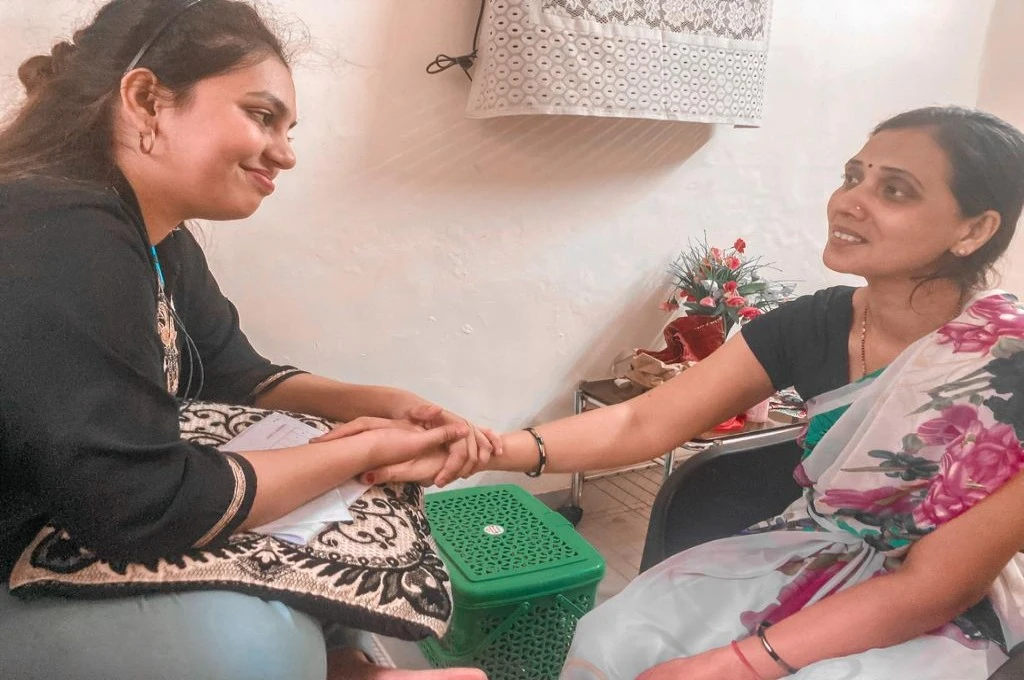
ಶ್ರುತಿ ಮತ್ತು ಅಂಕಿತಾ: ರೋಗಿಗಳು ಮತ್ತು ಅವರ ಕುಟುಂಬಗಳ ಸ್ಥಿತಿಯನ್ನು ಅವಲಂಬಿಸಿ, ಪ್ರತಿ ಮನೆಗೆ ಭೇಟಿ ನೀಡಲು ನಮಗೆ ಒಂದರಿಂದ ನಾಲ್ಕು ಗಂಟೆಗಳವರೆಗೆ ಬೇಕಾಗಬಹುದು. ನಾವು ದಿನಕ್ಕೆ ಮೂರರಿಂದ ಐದು ಭೇಟಿಗಳನ್ನು ಮಾಡುತ್ತೇವೆ ಮತ್ತು ನಡುವೆ ತ್ವರಿತ ಊಟದ ವಿರಾಮವನ್ನು ತೆಗೆದುಕೊಳ್ಳುತ್ತೇವೆ. ಇದು ಸಾಮಾನ್ಯವಾಗಿ ನಾವು ತೀವ್ರವಾದ ಸಂದರ್ಭಗಳನ್ನು ಹೇಗೆ ಎದುರಿಸುತ್ತಿದ್ದೇವೆ ಎಂಬುದರ ಕುರಿತು ಪರಸ್ಪರ ಪರಿಶೀಲಿಸುವ ಸಮಯ. ನಾವು ಬರ್ನ್ಔಟ್ ಅಥವಾ ಆತಂಕವನ್ನು ಅನುಭವಿಸುತ್ತಿದ್ದೇವೆಯೇ? ನಾವು ವಿಶೇಷವಾಗಿ ಒಂದು ಪ್ರಕರಣದಿಂದ ಪ್ರಭಾವಿತರಾಗಿದ್ದೇವೆಯೇ? ನಮಗೆ ಭಾವನಾತ್ಮಕ ಬೆಂಬಲ ಬೇಕಾದರೆ, ಪಾಲ್ಕೇರ್ ಮನಶ್ಶಾಸ್ತ್ರಜ್ಞರನ್ನು ಹೊಂದಿದೆ. ಗೆಳೆಯರ ಬೆಂಬಲ, ಮುಕ್ತ ಸಂವಹನ, ನಿಯಮಿತ ಸಭೆಗಳು, ಹಂಚಿಕೊಂಡ ಸಾಮಾಜಿಕ ಸಮಯ ಮತ್ತು ವೈಯಕ್ತಿಕ ಸ್ವ-ಆರೈಕೆ ಅಭ್ಯಾಸಗಳ ಸಂಯೋಜನೆಯು ಬರ್ನ್ಔಟ್ ಅನ್ನು ನಿರ್ವಹಿಸಲು ಮತ್ತು ಅತಿಯಾದ ಒತ್ತಡವಿಲ್ಲದೆ ಸಹಾನುಭೂತಿಯೊಂದಿಗೆ ಆರೈಕೆಯನ್ನು ನೀಡುವುದನ್ನು ಮುಂದುವರಿಸಲು ನಮಗೆ ಸಹಾಯ ಮಾಡುತ್ತದೆ.
ಉಪಶಾಮಕ ಆರೈಕೆಗೆ ಸಂಬಂಧಿಸಿದ ಹೊಸ ವಿಷಯಗಳು ಮತ್ತು ಸಮಸ್ಯೆಗಳ ಬಗ್ಗೆ ತಿಳಿದುಕೊಳ್ಳಲು ನಾವು ಪ್ರತಿ ಬುಧವಾರ ಎಲ್ಲಾ ವಲಯ ತಂಡಗಳೊಂದಿಗೆ ಅಧಿವೇಶನಗಳನ್ನು ನಡೆಸುತ್ತೇವೆ. ಮತ್ತು ಪ್ರತಿ ಗುರುವಾರ, ನಾವು ಕಷ್ಟಕರವಾದ ಪ್ರಕರಣಗಳನ್ನು ಚರ್ಚಿಸಲು ಮತ್ತು ಪರಸ್ಪರ ಕಲಿಯಲು ಸಭೆಗಳನ್ನು ನಡೆಸುತ್ತೇವೆ.
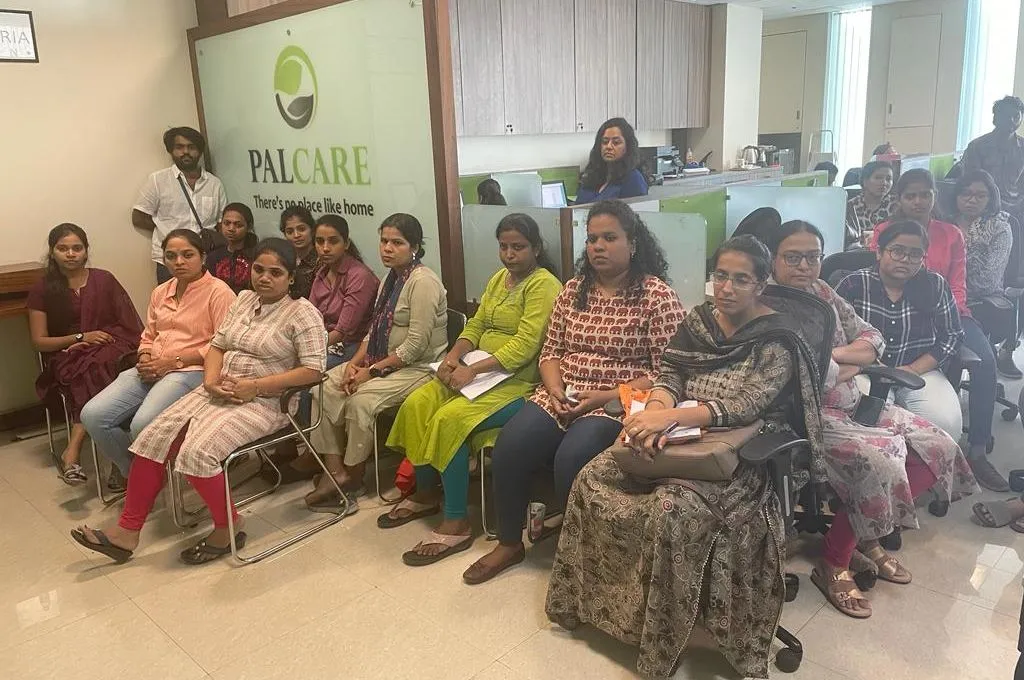
ಮನೆ ಭೇಟಿಗಳು ಮತ್ತು ಆನ್ಲೈನ್ ಸಭೆಗಳ ನಡುವೆ, ನಾವು ನಿಯಮಿತವಾಗಿ ಕಚೇರಿಗೆ ಭೇಟಿ ನೀಡಬೇಕಾಗಿಲ್ಲ. ನಾವು ಇದನ್ನು ಹೆಚ್ಚಾಗಿ ದಾಖಲಾತಿಗಾಗಿ ಅಥವಾ ರೋಗಿಗಳಿಗೆ ಉಚಿತವಾಗಿ ಒದಗಿಸುವ ಕೆಲವು ಔಷಧಿಗಳನ್ನು ಸಂಗ್ರಹಿಸಲು ಮಾಡುತ್ತೇವೆ.
6.30 PM
ಶ್ರುತಿ ಮತ್ತು ಅಂಕಿತಾ: ನಾವು ಸಂಜೆ 5.30 ರ ಹೊತ್ತಿಗೆ ಕೆಲಸ ಮುಗಿಸಲು ಪ್ರಾರಂಭಿಸುತ್ತೇವೆ. ಮನೆಗೆ ಹೋದ ನಂತರ, ನಾವು ಎಲ್ಲಾ ಪ್ರಕರಣದ ವಿವರಗಳನ್ನು ಮತ್ತು ದಿನದ ಯಾವುದೇ ನವೀಕರಣಗಳನ್ನು ಸಾಫ್ಟ್ವೇರ್ಗೆ ಲಾಗ್ ಮಾಡುತ್ತೇವೆ.
ಶ್ರುತಿ: ನನಗೆ ವಿಶ್ರಾಂತಿ ಪಡೆಯಲು ಸಹಾಯ ಮಾಡುವ ಕೆಲವು ದೈನಂದಿನ ಆಚರಣೆಗಳಿವೆ. ನಾನು ಮನೆಗೆ ಬಂದ ನಂತರ, ಸ್ನಾನ ಮಾಡಿ ದಿನದ ಚಿಂತೆ ಮತ್ತು ತೊಂದರೆಗಳನ್ನು ತೊಳೆಯುವುದನ್ನು ಕಲ್ಪಿಸಿಕೊಳ್ಳುತ್ತೇನೆ. ನಂತರ, ನನ್ನ ವೈಯಕ್ತಿಕ ಮತ್ತು ವೃತ್ತಿಪರ ಜೀವನದ ನಡುವೆ ವಿರಾಮವಿರುವುದರಿಂದ ನಾನು ಚಿಕ್ಕನಿದ್ರೆ ತೆಗೆದುಕೊಳ್ಳುತ್ತೇನೆ. ನನಗೆ ವಿಶೇಷವಾಗಿ ಕಷ್ಟಕರವಾದ ದಿನವಿದ್ದರೆ, ನಾನು ಅದನ್ನು ನನ್ನ ಪತಿ ಅಥವಾ ಇತರ ಕುಟುಂಬ ಸದಸ್ಯರೊಂದಿಗೆ ಹಂಚಿಕೊಳ್ಳುತ್ತೇನೆ.
ಶಾಂತ ಸ್ಥಿತಿಯನ್ನು ಸಾಧಿಸಲು ನಾನು ವಾದ್ಯಗಳನ್ನು ನುಡಿಸುವುದು, ಮಂಡಲಗಳನ್ನು ಬಿಡಿಸುವುದು ಮತ್ತು ದಿನಚರಿ ಬರೆಯುವುದನ್ನು ಇಷ್ಟಪಡುತ್ತೇನೆ.
ಅಂಕಿತಾ: ಮನೆಗೆ ತಲುಪಿದ ನಂತರ ನಾನು ಸ್ನಾನ ಮಾಡಿ ಸ್ವಲ್ಪ ನಿದ್ದೆ ಮಾಡುತ್ತೇನೆ. ನಾನು ನನ್ನ ತಾಯಿಗೆ ಅಡುಗೆ ಮತ್ತು ಇತರ ಕೆಲಸಗಳಲ್ಲಿ ಮನೆಯ ಜವಾಬ್ದಾರಿಗಳಲ್ಲಿ ಸಹಾಯ ಮಾಡುತ್ತೇನೆ. ಕೆಲವೊಮ್ಮೆ, ನಾನು ಶಾಪಿಂಗ್ಗೆ ಅವರೊಂದಿಗೆ ಹೋಗುತ್ತೇನೆ, ಇದು ನಮಗೆ ಅರ್ಥಪೂರ್ಣ ಸಮಯವನ್ನು ಒಟ್ಟಿಗೆ ಕಳೆಯಲು ಅವಕಾಶ ನೀಡುತ್ತದೆ. ಅವರಿಗೆ ದಿನದ ಘಟನೆಗಳನ್ನು ಹೇಳದೆ ಇರುವುದಿಲ್ಲ, ಏಕೆಂದರೆ ಅದು ನನಗೆ ಸಾಂತ್ವನ ನೀಡುತ್ತದೆ ಮತ್ತು ನಮ್ಮ ಬಾಂಧವ್ಯವನ್ನು ಬಲಪಡಿಸುತ್ತದೆ. ನಾನು ಆಗಾಗ ನನ್ನ ಆತ್ಮೀಯ ಸ್ನೇಹಿತನೊಂದಿಗೆ ಮಾತನಾಡುತ್ತೇನೆ, ಅದು ನನಗೆ ವಿಶ್ರಾಂತಿ ಪಡೆಯಲು ಸಹಾಯ ಮಾಡುತ್ತದೆ. ಊಟದ ನಂತರ, ನಾನು ನನ್ನ ಫೋನ್ನಲ್ಲಿ ವೆಬ್ ಸರಣಿಯನ್ನು ವೀಕ್ಷಿಸಲು ಸ್ವಲ್ಪ ಸಮಯ ಕಳೆಯುತ್ತೇನೆ ಮತ್ತು ನಂತರ ನಾನು ಮಲಗುತ್ತೇನೆ.
ಆದಾಗ್ಯೂ, ನನಗೆ ಆಗಾಗ ನಡುರಾತ್ರಿಯಲ್ಲಿ ಕೂಡಕಾಲ್ ಗಳು ಬರುತ್ತವೆ. ರೋಗಿಯ ಸ್ಥಿತಿ ಇದ್ದಕ್ಕಿದ್ದಂತೆ ಹದಗೆಟ್ಟರೆ ಅಥವಾ ಆರೈಕೆದಾರರು ಅನಿರೀಕ್ಷಿತವಾಗಿ ಔಷಧಿಗಳನ್ನು ನೀಡಬೇಕಾದರೆ, ಅವರು ಭಯಭೀತರಾಗಿ ಕೈ ಚಾಚುತ್ತಾರೆ. ಅಗತ್ಯವಿದ್ದರೆ ನಾನು ಅವರೊಂದಿಗೆ ವೀಡಿಯೊ ಕಾಲ್ ಮೂಲಕ ಮಾತನಾಡುತ್ತೇನೆ ಅಥವಾ ಅವರನ್ನು ಅವರ ಸ್ಥಳೀಯ ವೈದ್ಯರಿಗೆ ಸಂಪರ್ಕಿಸುತ್ತೇನೆ. ಪರಿಸ್ಥಿತಿಯನ್ನು ಆಧರಿಸಿ, ಮರುದಿನ ನಾವು ಅವರನ್ನು ಭೇಟಿ ಮಾಡುತ್ತೇವೆ ಎಂದು ನಾನು ಕುಟುಂಬಕ್ಕೆ ಭರವಸೆ ನೀಡುತ್ತೇನೆ.
ಉಪಶಾಮಕ ಆರೈಕೆ ಪೂರೈಕೆದಾರರಾಗಿ, ರೋಗಿಗಳು ಮತ್ತು ಕುಟುಂಬಗಳು ಅನಾರೋಗ್ಯ, ನಷ್ಟ ಮತ್ತು ಅನಿಶ್ಚಿತತೆಯನ್ನು ಎದುರಿಸುವಾಗ ಘನತೆ ಮತ್ತು ಬೆಂಬಲದೊಂದಿಗೆ ಸಹಾಯ ಮಾಡುವುದು ನಮ್ಮ ಕೆಲಸ. ಅಂತಹ ಆರೈಕೆಗೆ ಸಮಯ ಮತ್ತು ನಂಬಿಕೆ ಎರಡೂ ಬೇಕಾಗುತ್ತದೆ.
*ಗೌಪ್ಯತೆಯನ್ನು ಕಾಪಾಡಿಕೊಳ್ಳಲು ಹೆಸರುಗಳನ್ನು ಬದಲಾಯಿಸಲಾಗಿದೆ.
ವೈಶಿಷ್ಟ್ಯ ಚಿತ್ರ ಕೃಪೆ: ಫ್ರಾಂಕೋಯಿಸ್ ಡೆಕೈಲೆಟ್ ಫ್ಲಿಕರ್ನಲ್ಲಿ /CC BY
ಈ ಲೇಖನವನ್ನು Shabd AI ಅನುವಾದಿಸಿ ಪರಿಶೀಲಿಸಿದೆ.
—
ಇನ್ನಷ್ಟು ತಿಳಿಯಿರಿ
- ಗಂಭೀರ ಕಾಯಿಲೆಗಳಿಂದ ಬಳಲುತ್ತಿರುವ ರೋಗಿಗಳ ರೋಗಲಕ್ಷಣ ನಿರ್ವಹಣೆ ಮತ್ತು ಜೀವನದ ಗುಣಮಟ್ಟವನ್ನು ಸುಧಾರಿಸುವಲ್ಲಿ ಉಪಶಾಮಕ ಆರೈಕೆಯ ಮಹತ್ವವನ್ನು ಅರ್ಥಮಾಡಿಕೊಳ್ಳಿ.
- ಉಪಶಾಮಕ ಆರೈಕೆಯಲ್ಲಿರುವ ರೋಗಿಗಳ ಮಾನಸಿಕ ಸಾಮಾಜಿಕ ಅಗತ್ಯಗಳ ಬಗ್ಗೆ ಇನ್ನಷ್ಟು ತಿಳಿಯಿರಿ.
- ಮಾರಕ ಕಾಯಿಲೆಗಳಿಂದ ಬಳಲುತ್ತಿರುವ ರೋಗಿಗಳ ಕುಟುಂಬ ಆರೈಕೆದಾರರ ಸವಾಲುಗಳು ಮತ್ತು ಅನುಭವಗಳ ಬಗ್ಗೆ ಓದಿ.