A journalist turns surveyor and discovers new stories
 Sangli, Maharashtra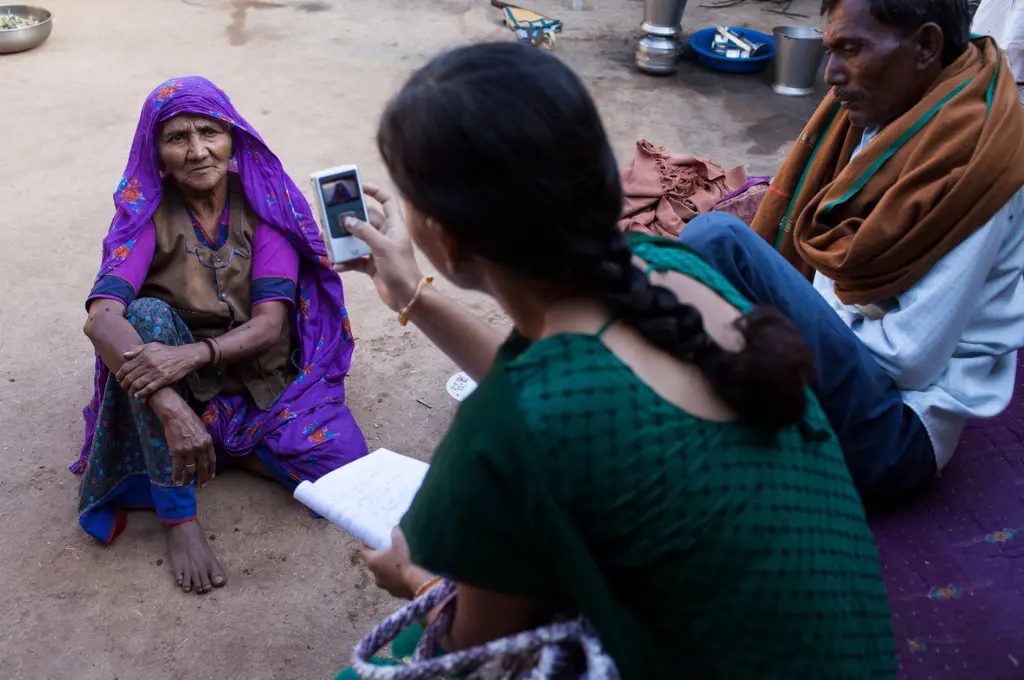
I have worked as a journalist for four years. Recently, almost unintentionally, I became part of the social sector when I took up a project with a research and data analysis organisation that caters to nonprofits, government agencies, and CSR projects. My journalism work is defined by deadlines and the need to ask questions that lead to clear answers. I am realising that while there are overlaps between these two worlds, they are also significantly different.
In early 2026, I was part of a field research and survey project in rural Maharashtra. Over 13 days of study across Solapur, Sangli, and Wardha districts, I spoke with women entrepreneurs to understand their businesses, incomes, and struggles. My job was to collect data through standard survey questions. When my team and I met the women, we introduced ourselves as surveyors rather than journalists, and the difference in how people responded was something I had not anticipated.
In journalism, the urgency of a deadline shapes what you look for even before you begin reporting. In this project too, I had targets and timelines, but because I was not there to produce a story about anyone, people seemed less guarded about what they shared.
I noticed this most in what happened after the last question of the survey had been posed. When we asked the women about their livelihoods, conversations more often than not turned towards how money brought them freedom. What they shared in those moments went well beyond what the survey was designed to capture.
In Sangli, once we were done asking our questions, a woman told me, “I have been running my business all by myself for my two kids. When my husband passed away in an accident, we struggled for money because I didn’t know how to approach the bank. But now because of my business I am able to pay my children’s fees and send them to school.” I didn’t have to prompt her for this.
Another woman told me that running her own business has helped her push back against the patriarchal expectations within her home. Since this was a quantitative study, I was not taking copious notes about these human stories the way I would have if I was there as a reporter. None of this made it into the data I submitted. In hindsight, the journalist in me missed an opportunity, but perhaps by not being focused on getting something out of these conversations, I listened more intently.
Siddhi Jojare is a journalist transitioning into development research.
—
Know more: Read how a recipe book helped build trust with communities during field surveys.
Do more: Connect with the author at jo.siddhi16@gmail.com to learn more about and support their work.