The flood beyond our screens
 Charaideo, Assam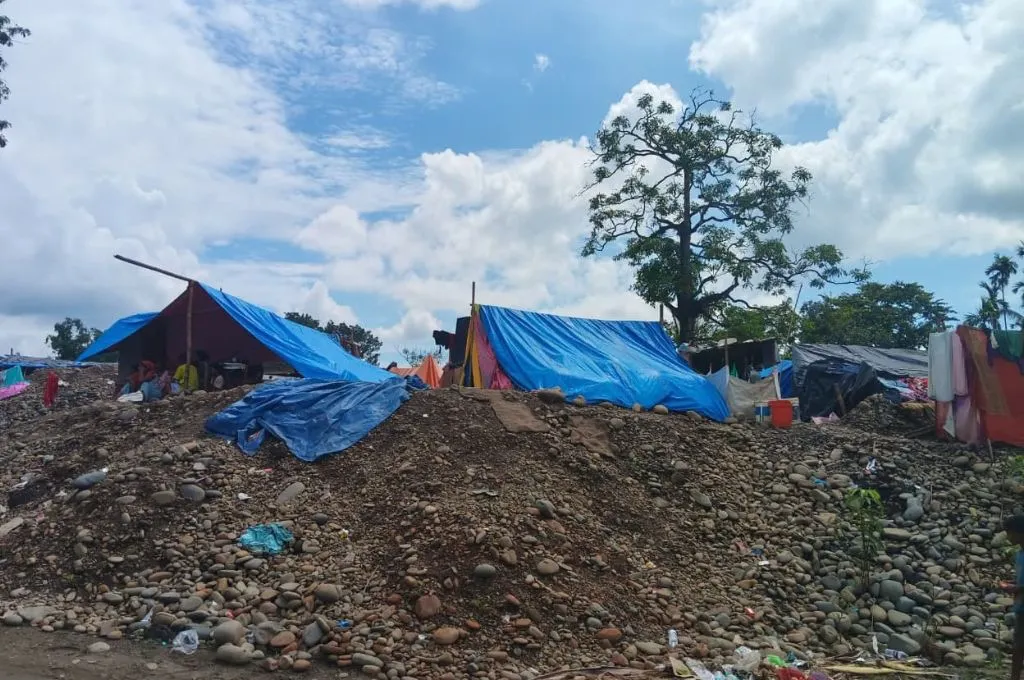
“Please make a video of us. No one has made a video of our village, and that is why people don’t know about us,” said a resident of Chutia Basti when I arrived for relief work in the last week of August 2026.
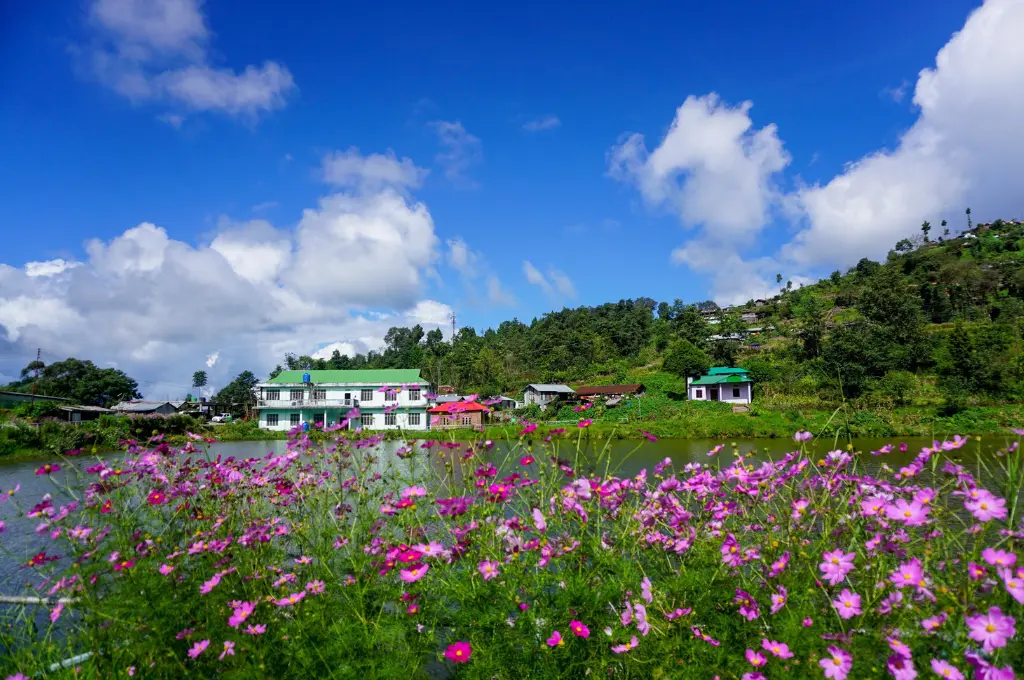
Located in the Lakwa block of Charaideo district, Chutia Basti was one of several villages where floodwater had inundated the homes. Lined by the Desang and Suffry rivers, Lakwa has a large embankment. As the waters rose, families fled to the embankment, where they were living in temporary shelters. People told me that no relief organisations had reached the area since the floods hit.
When the water first reached Upper Assam on July 19, visuals of the devastation quickly filled social media feeds. Videos showed flooded homes, stranded families, and submerged roads. As part of Sunbird Trust’s community development team, I had been involved in flood relief in previous years. But this time felt different: The scale was larger, and information about the disaster was moving faster than ever.
As we began planning our response, my first recce took me to Nepali Khuti, Santok, Bihubor, and Hulang Katoni in Sivasagar district—places already receiving considerable attention online. While the villages were severely affected, volunteers and organisations were arriving with water, food, and other supplies.
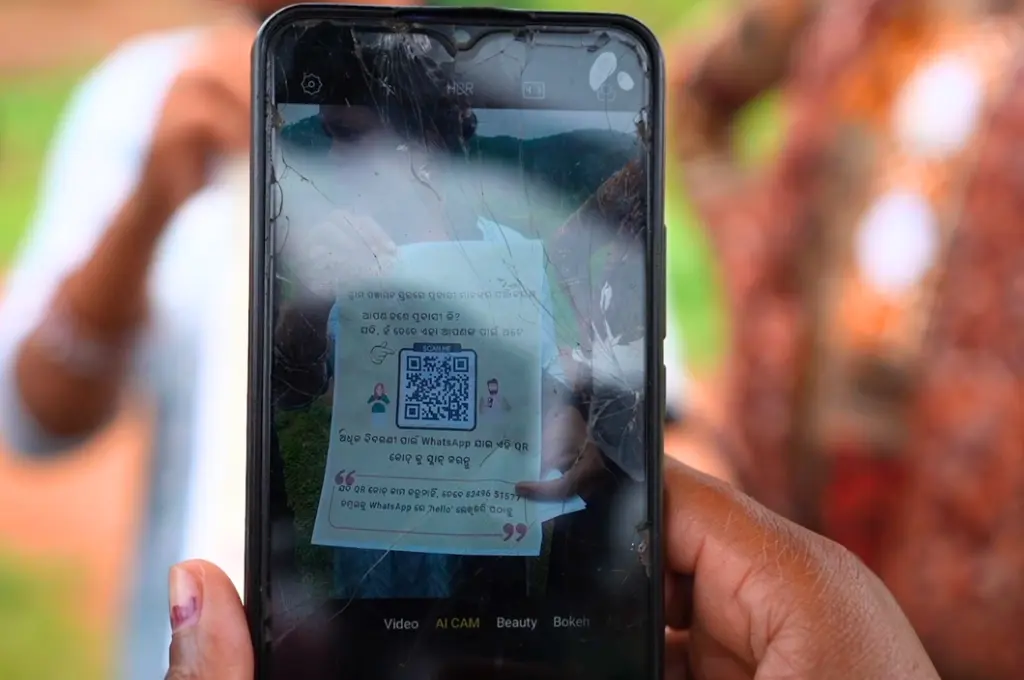
At the same time, we started conducting research to understand the situation beyond these areas. We soon realised that it was not the same everywhere. A friend introduced me to the Axom Relief App, through which I was able to find phone numbers of people who had requested support. I called them to verify the information and gather more details about the affected communities.
This eventually brought us to Cholapothar, Chutia Basti, Tengapukhuri, and other villages in the Lakwa region. We reached the area about a month after the floods, and found that crops had been destroyed, shops were not functioning normally, and relief supplies were irregular. By then, people had understood how aid was being organised online and asked me to make a video to amplify their needs.
In the early days, immediate needs such as drinking water and dry rations dominated relief appeals by volunteers on social media, and received swift responses. However, after a month or so, when communities returned home from relief camps, their requirements shifted to rebuilding their homes. There was more demand for mattresses, bedsheets, utensils, and other household necessities.
By that time, the narrative online had moved on. Many individual volunteers had also returned to their regular jobs and responsibilities. We observed that the level of individual responses to these later-emerging needs was not the same.
Social media has undeniably played an important role in flood response in Assam. It mobilised volunteers in large numbers, and people have used videos and posts to identify affected locations and ascertain relief materials.
But it cannot be the only basis for deciding relief needs. Our experience showed the importance of combining digital information with on-ground verification. At Sunbird, we have formed a dedicated action group for flood response: While our field teams work directly with communities, the back-end team tracks relief platforms, news reports, and emerging needs. This has allowed us to respond to the challenges as they evolve.
—
Know more: Understand the gaps in disaster relief and emergency response in Nagaland.