How a power plant evaded CSR spending in Rajasthan
 Baran, Rajasthan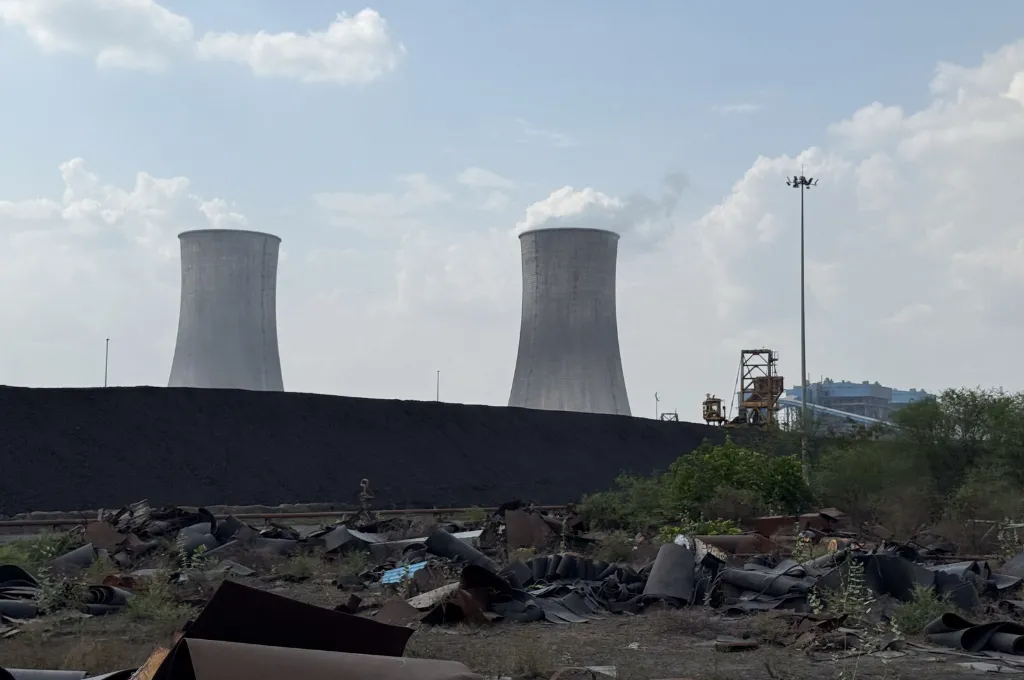
I am from Motipura Chowki village in Chhabra tehsil, Rajasthan, where the state government–owned, coal-powered Chhabra Thermal Power Plant is located. I’m a labour rights advocate and used to work at the plant. More than 20 years have passed since the plant’s construction began in 2005. Yet, little progress has been made in my village and the ones nearby despite a significant amount in CSR budget allocated for the development of the area.
On the contrary, the plant has caused many problems for us.
In 2026, I filed RTI applications and found that the Chhabra plant had an unspent CSR budget of INR 2.17 crore, with no development projects being undertaken since 2022. There is no information on how the rest of the funds were used, or why the remaining amount has gone unutilised—despite the fact that companies are legally required to spend a portion of their profits on CSR activities for surrounding villages.
Every plant is supposed to have a CSR committee—comprising plant management members, and local officials such as the district collector, MLA, and panchayat members—to decide how these funds should be used. The RTI identifies who these members are, but remains unclear on why the funds are not being utilised.
The power plant continues to disrupt daily life in at least 10 villages, such as Teetarkhedi, Bhatkhedi, Mawasa, Akodiyapar, Karadiyapar, Bishankhedapar, Hanuvatkheda, and Sevankhedi. Spending this CSR money is therefore essential, both as a matter of our rights and for the development of our area.
There is no government water facility in my village. People rely on private water supply, which costs INR 400 a month. Farmers cannot use any form of transport because there are no roads, and must carry their harvest on foot. Fly ash and other pollutants from the plant have also caused villagers to develop health problems, including skin conditions, breathing difficulties, and persistent coughs. A small primary health centre (PHC) opened in our village some time ago, but it offers only basic medication. For anything more serious, people must travel to Chhabra or Kota 40–60 km away.
Fly ash has also damaged crops, cutting into farmers’ incomes. A bigha of land that once yielded 12–15 quintals of wheat now produces only around five. This decline happened gradually, dropping first to 10 quintals and then to eight. As a result, some farmers have turned to dairy and vegetable production to make ends meet.
Even as it stifles other forms of livelihood, the plant has not provided any local employment beyond the initial construction phase. Since operations began, jobs at the plant have gone largely to migrant workers, because they neither demand a bonus nor push back on low wages. People gave up their land for the plant in the hope of gaining access to basic services and on the promise that at least one member of each family would be employed there. Both of these remain unfulfilled.
Pavan Kevat is a labour rights advocate and used to work at Chhabra Thermal Power Plant.
—
Know more: Read about how solar panels are impacting Rajasthan’s Khejri trees.