Features
Special IDR features and series, including editorial collaborations.
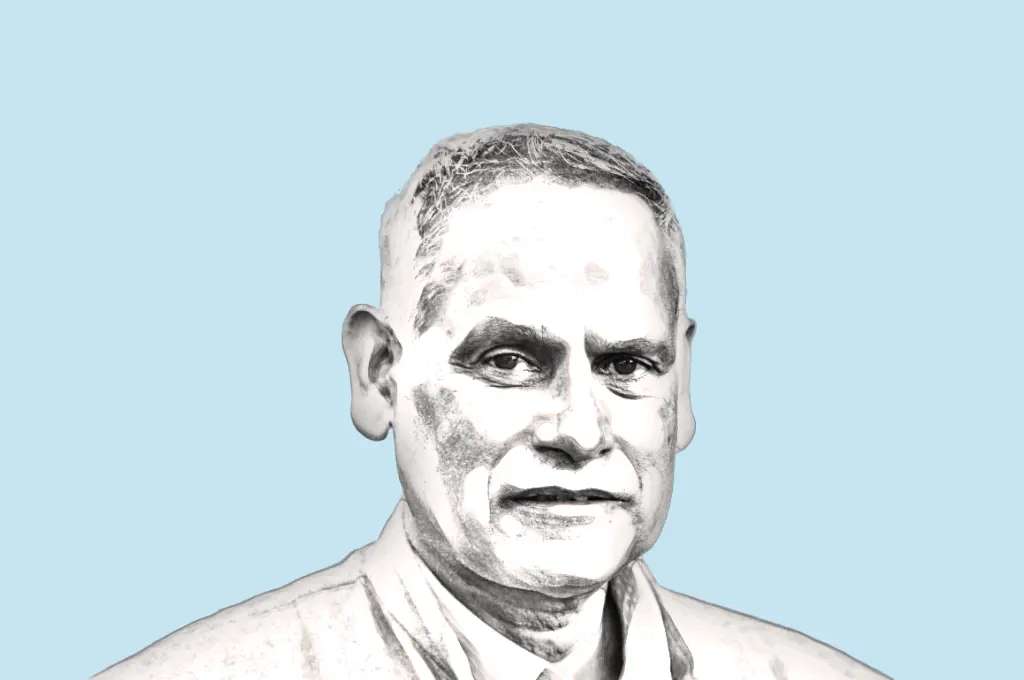
IDR Interviews | Dr Carmo Noronha
Nonprofit veteran and disability rights champion Dr Carmo Noronha explains the importance of collaboration in designing inclusive learning environments in Meghalaya.
IDR Explains
A comprehensive introduction to a development topic, concept, or approach that captures expert views as well as the latest secondary research on the topic.
SUPPORTED BY COMMON GROUND INITIATIVE
IDR Explains | Commons
In just 10 minutes, learn how India’s commons power its people, ecology, and economy—through examples, their history, and challenges.
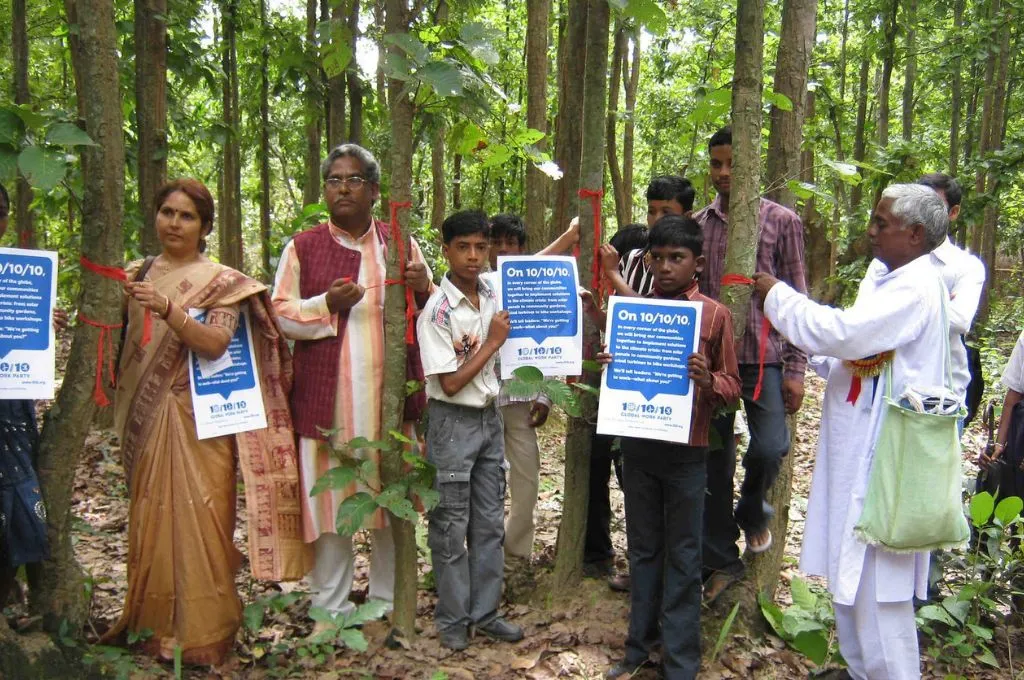
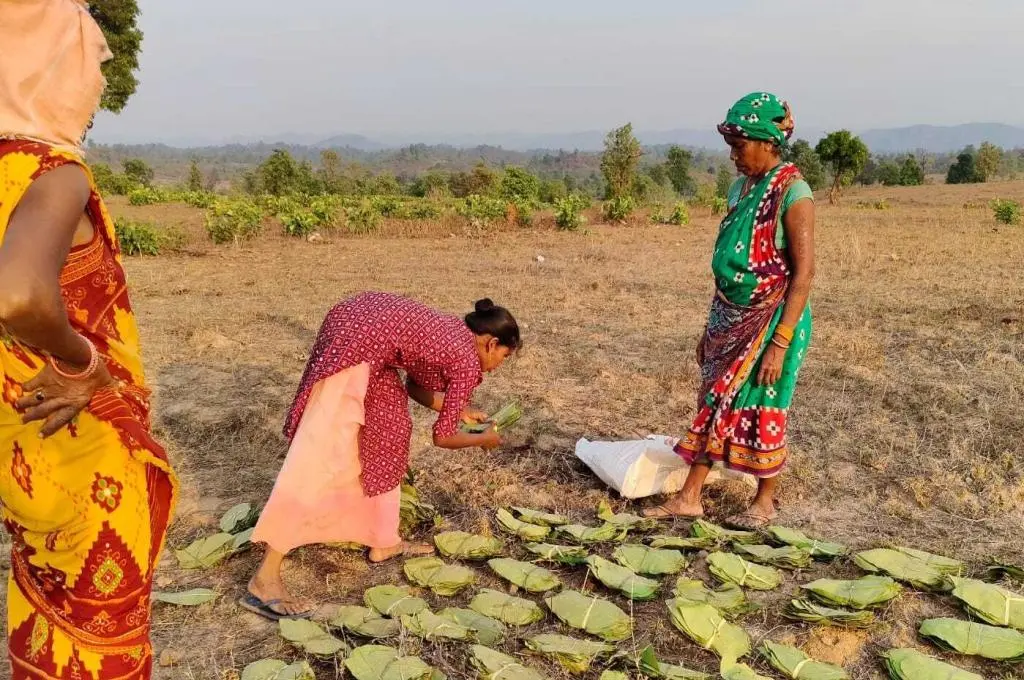
IDR Explains | Forest Rights Act (FRA)
In just four questions, learn what FRA is, why it was enacted, how it aims to benefit India’s forest-dwelling communities, and what are the barriers in doing so.

IDR Explains | Circular Economy
In just five questions, explore the circular economy—what it is, why it’s crucial for sustainability in India, and the challenges of adopting it.
The well-being series
A partnership with Stanford Social Innovation Review, Skoll Foundation, Schwab Foundation at World Economic Forum, and The Wellbeing Project, focused on well-being in the field of social change.

What students want from their teachers
Researchers asked students what makes a caring teacher—and these same qualities may help support your well-being as an educator.
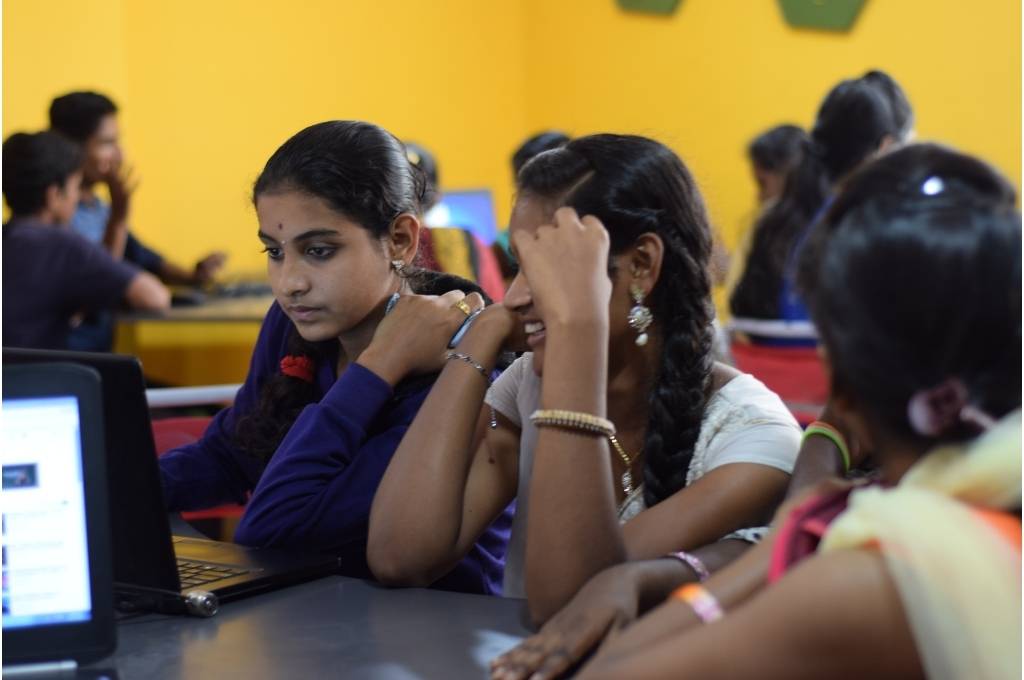
Social-emotional learning in India: The importance of intersectionality
Social-emotional learning (SEL) programmes should adopt an intersectional lens that takes into account young people’s diverse experiences of caste, class, and gender.
Integrating individual well-being with environmental systems
How cultivating a values-based, ecological worldview can help lay the groundwork for collective action toward the greater well-being of individuals, societies, and the systems in which we live.
SUPPORTED BY THE WELLBEING PROJECT
शिलाँगमधील मुलांच्या समुपदेशकांचे समुपदेशन कोण करते?
 पूर्व खासी हिल्स जिल्हा, मेघालय
IDR Interviews
Conversations with visionaries on their life’s work, and their efforts to challenge the status quo in our country.
9 min read
A day in the life of
Frontline workers and first responders share their insights from working at the grassroots.
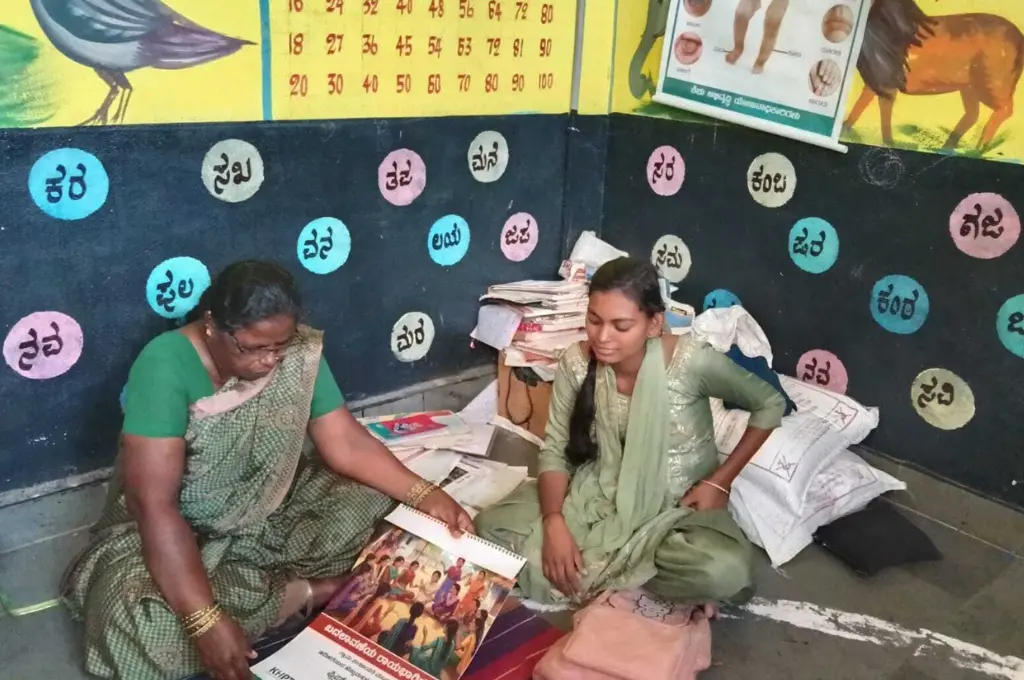
The girl who refused to drop out
A day in the life of a young field coordinator in Raichur, Karnataka, reflecting her journey of almost dropping out of school to supporting herself, her family, and her community.
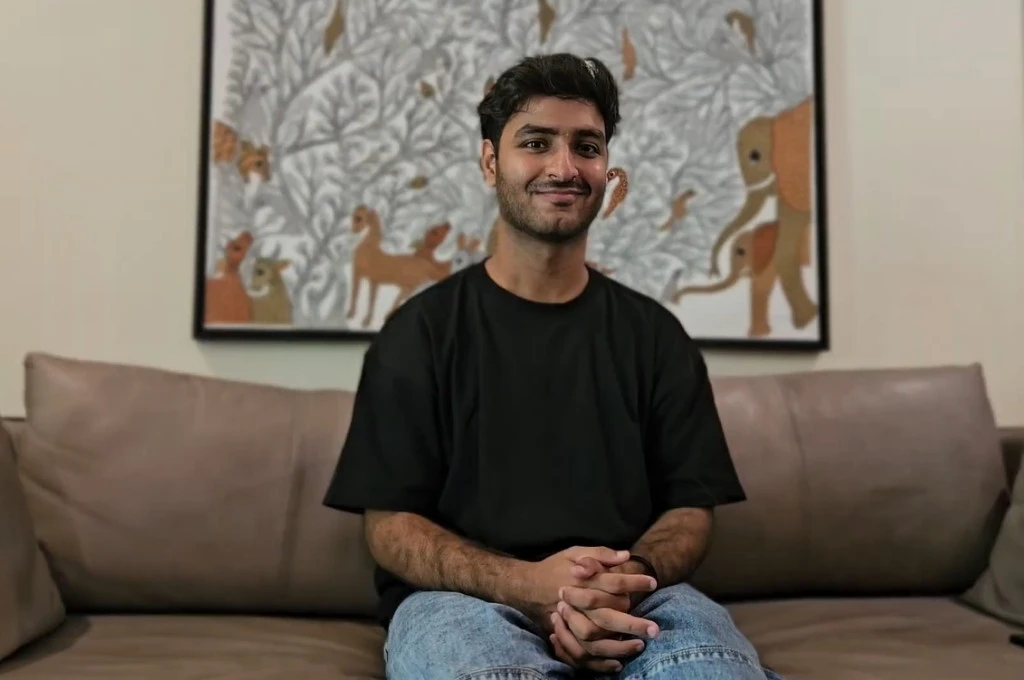
A book club, sign language, and our fight for Deaf rights
A day in the life of a Deaf student and founder of a book club as he strives for awareness, inclusion, and building a shared space for the Deaf community.
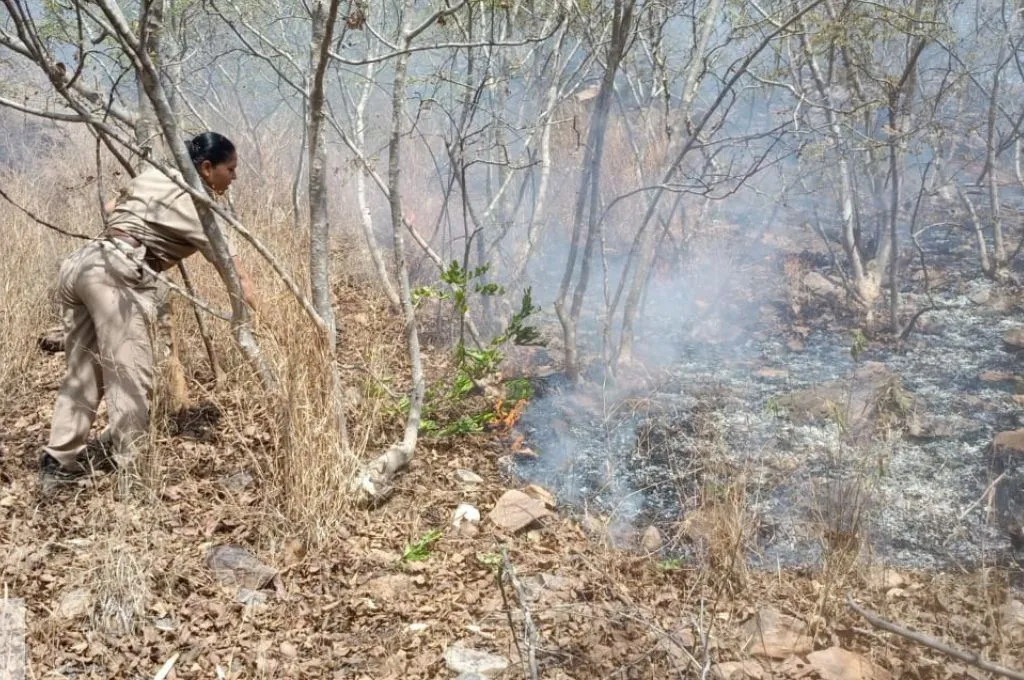
Why conservation needs connection: Guarding Rajasthan’s forests
A day in the life of a forest guard, who navigates gender roles, community needs, and conservation in Rajasthan.
Building team culture isn’t optional
A nonprofit co-founder reflects on how scaling rapidly unintentionally alienated employees, which led to cracks in organisational culture.
Preparing for a marathon, not a sprint
Dalit civil rights activist Thenmozhi Soundararajan on why failure is an opportunity to build power, how systems of oppression affect well-being, and what healing looks like for individuals and communities.

Why don’t nonprofits talk about their failures?
A number of risks, both real and perceived, stop nonprofits from talking about failure. Here's how various stakeholders can work together to overcome them.
Perspectives
Op-eds and commentary that hold a mirror up to civil society, reflect upon its evolution, and unpack key trends.
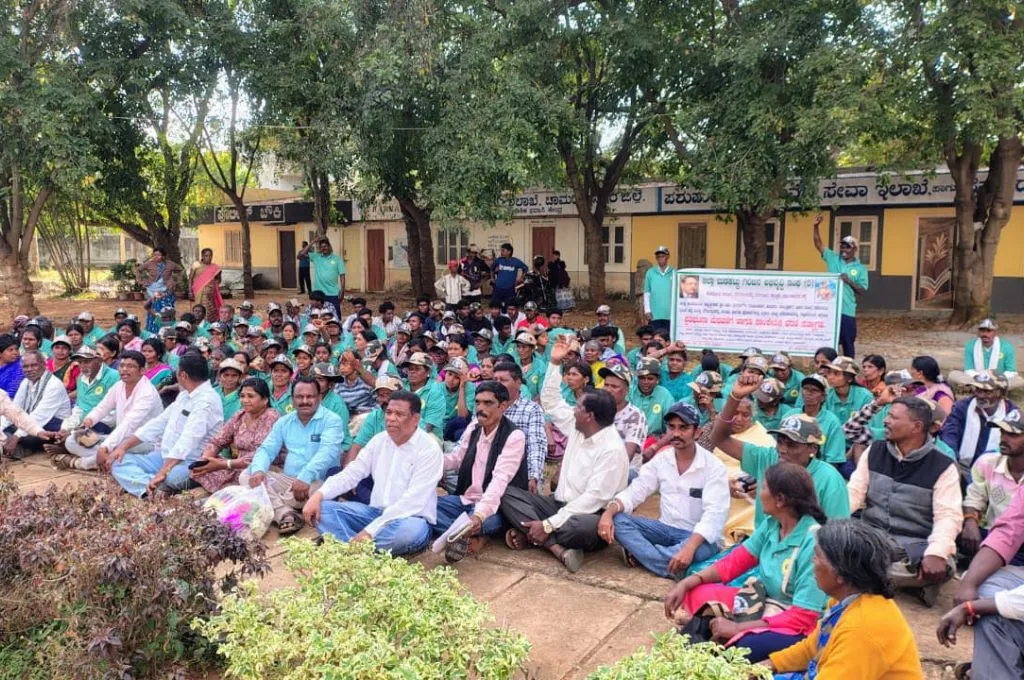
For us Adivasis, without forests there is no health
For Adivasi communities in Karnataka, health and subsistence are inseparable from forests and the history of displacement they carry. Healthcare, then, is not simply a matter of 'free' medicines or hospitals, but respecting our rights, knowledge, and dignity.
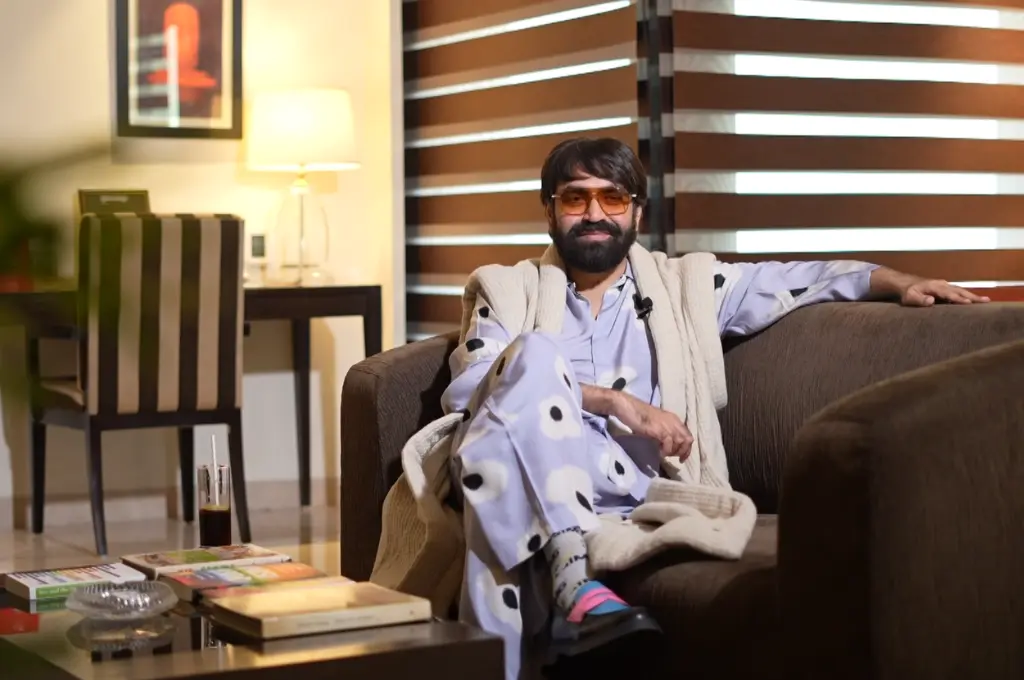
“You can’t build inclusion on policy alone—you have to live it every day.”
Keshav Suri speaks about activism, building queer-affirming workplaces, and why real change comes from grassroots movements.
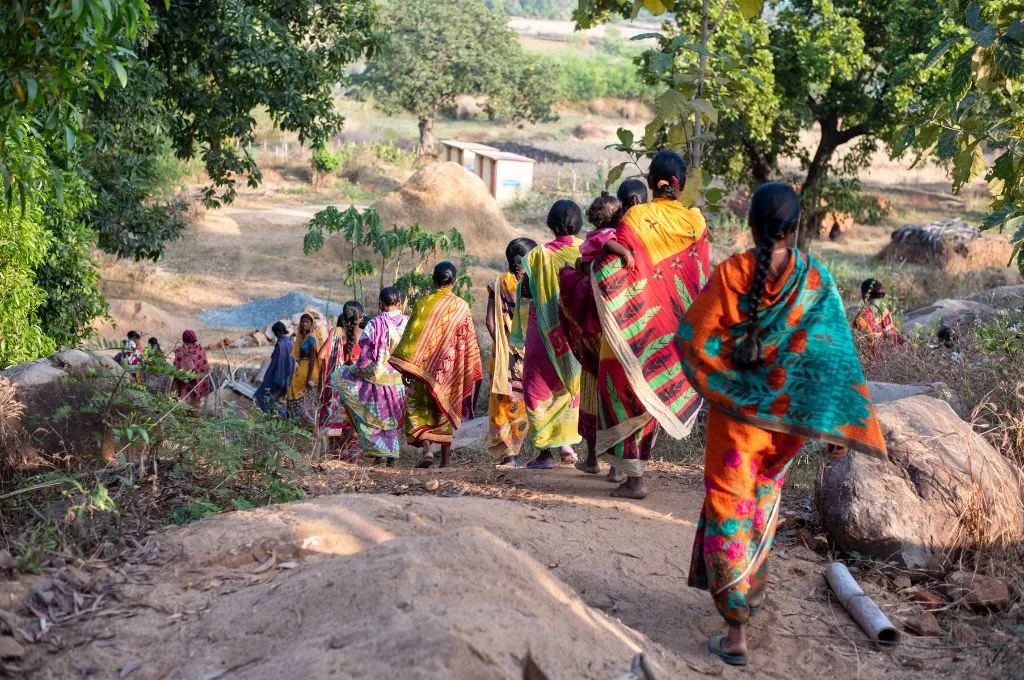
Across India, five nonprofits echo Amartya Sen’s ideas
From sanitation to livelihoods, five nonprofits discuss how their work reflects Amartya Sen's ideas of development as freedom, as the realisation of people's aspirations, as access to basic goods and services, and as meaningful, democratic participation in decision-making.