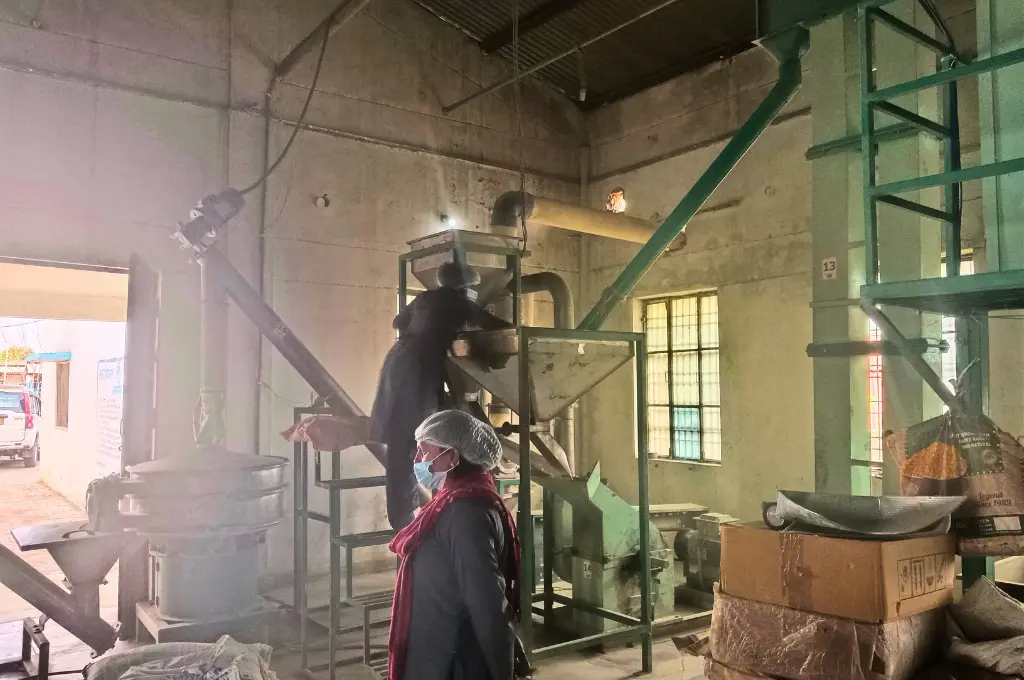
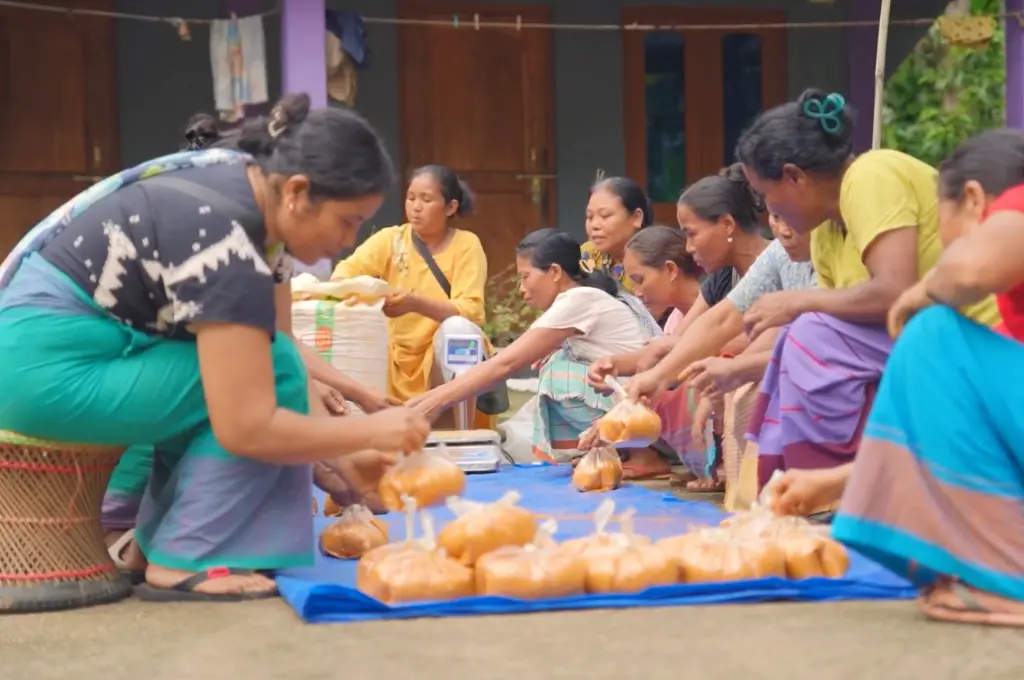
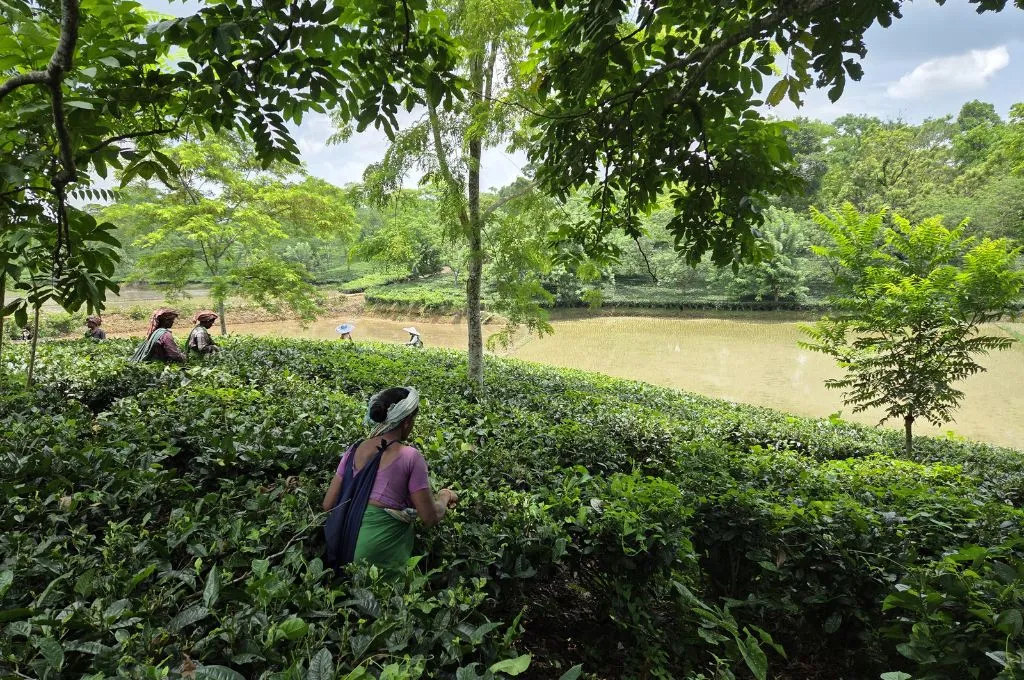
I have been harvesting mahua flowers in Dhipa Toli, Jharkhand, for the past 50 years. Our mahua trees are older than some of the residents in our small village, and have been passed down within families over generations. Traditionally, we have collected mahua through controlled burning of fallen leaves. This would separate them from the flowers, making it easier to pick the flowers. However, as the trees age, we are worried about the decline in the number of flowers with each harvest since burning dries out the branches and flower buds.
For the past few years, families in the village have shifted away from the practice of controlled burning and started using nets to collect mahua flowers. These flowers never touch the ground, so they are cleaner, can be processed for consumption, and fetch better prices. Since mahua cannot be planted or cultivated like a crop, we are trying to ensure the longevity of our trees through these alternative practices.
The principal footage for this story was shot by Arpana Minz, a food safety, quality, and operational manager at Wild Harvest.

All images and videos featured courtesy of Wild Harvest.
—
Know more
- As the market for mahua grows, understand what this means for Adivasi communities harvesting the flower.
- Learn how women farmers in Meghalaya’s North Garo Hills are using community networks and innovative ideas to expand their businesses.