India’s cities are getting hotter, with temperatures in smaller cities catching up to those in larger metros. This is not incidental. Rapid urbanisation, shrinking green cover, and weak planning are trapping and intensifying heat—making everyday life harder, especially for those with the least access to cooling, infrastructure, and secure housing.
Here are a few key questions that help unpack what is driving urban heat, who it affects most, and what more resilient city planning could look like.
What are the key factors contributing to urban heat?
1. Rapid and unplanned urbanisation
India is undergoing a significant urban transition, with projections indicating that more than 400 million people will move to cities between 2014 and 2050. This rapid growth often outpaces effective planning, leading to sprawling cities with increased built-up areas and reduced green spaces. This expansion has already enhanced warming in Indian cities by 60 percent compared to surrounding non-urban areas.

At the same time, city design continues to prioritise construction and road expansion over cooling elements such as tree cover, shaded public spaces, and accessible water points. In Dimapur, Nagaland, for example, built-up areas have tripled over the past two decades; vegetation cover has sharply declined, and expanding peri-urban settlements have reshaped the city’s microclimate. In a city where it ‘feels like’ 38°C even in September, heat seeps into the way people move through their day-to-day lives.
2. The urban heat island effect
As cities expand, the built environment begins to shape how heat is retained and experienced. One way this plays out is through the urban heat island effect, where cities become significantly warmer than surrounding rural areas, due to a concentration of heat-absorbing materials such as concrete, asphalt, and metal surfaces, along with limited natural cooling systems.
A key driver is the lack of blue-green infrastructure, such as parks, tree cover, and water bodies, which would otherwise help moderate temperatures and provide shade during heatwaves. In many cities, this is often compromised in favour of construction, as seen in projects like the redevelopment of T T Nagar in Bhopal, where large-scale tree cutting is likely to intensify heat.
At the same time, the materials and design of urban housing exacerbate heat stress. Temporary structures and informal housing—often made with tin sheets or poorly ventilated materials—trap heat, making indoor spaces extremely uncomfortable. As cities expand and densify, these challenges are likely to grow, especially in low-income settlements and informal workspaces.
3. Weak governance and implementation gaps
Urban heat in Indian cities is not just a function of rising temperatures, but also of how cities are planned and governed. Existing urban planning frameworks and building codes are rarely designed with heat in mind, and in many cases, end up exacerbating it. For instance, Heat Action Plans (HAPs), meant to help cities prepare for and respond to extreme heat through measures such as early warnings, public advisories, and coordination across departments, remain uneven in their implementation.

An assessment of 37 HAPs found that only two identified viable financial sources for implementation, with most plans relying on already stretched local departments to secure funding.
Without dedicated resources or strong legal mandates, low-capacity local governments often push heat action down their list of priorities. In Delhi, for instance, a draft HAP released in 2023 was not notified until after a severe heatwave in 2024 drew public and media attention. Such reactive approaches tend to prioritise short-term, low-cost measures like cooling centres, while long-term interventions remain underdeveloped.
Capacity constraints complicate implementation, as city officials and planners often lack technical climate expertise. While consultants, researchers, and donors have stepped in to fill these gaps, their involvement has sometimes led to fragmented, externally driven approaches. Ocassionally, more influential groups shape adaptation priorities, leaving marginalised communities excluded from decision-making processes. Urban heat, then, is not just an environmental challenge, it is a planning failure.
Who are most vulnerable in cities to heatwaves?
Urban heat is not experienced equally across cities. It disproportionately affects those with the least access to cooling, secure housing, and basic infrastructure, particularly the homeless, informal sector workers, and women and children in low-income communities.
1. Homeless populations
Homeless individuals are among the most vulnerable to urban heatwaves due to constant exposure to heat stress, both day and night, and a severe lack of access to adequate shelter and cooling. In Delhi, for instance, 192 homeless people reportedly died during a heatwave from June 11 to 19, 2024.
Designated shelters, such as porta cabins in Delhi, are often constructed with heat-absorbing materials like tin sheets, making indoor spaces unbearable and forcing residents to seek shade outside. Many often sleep on hot ground that retains heat through the night, leading to chronic sleeplessness. Access to public water systems, sanitation, and cooling stations is severely limited, and public awareness about heatwave safety is often not effectively communicated to this group.
Homeless women and children face additional fears of harassment, making it unsafe to sleep in public spaces even when seeking cooler areas.
2. Informal sector workers
Heat is an occupational hazard for a large segment of the informal sector. The World Bank estimates that up to 75 percent of India’s workforce depends on heat-exposed labour, which contributes to approximately 50 percent of the GDP.
Most informal workers lack health insurance, social safety nets, and formal labour protections, leaving them without support for heat-related illnesses or lost wages. Informal workers such as puffed rice producers, blacksmiths, construction workers, and delivery agents, spend long hours in high-temperature environments, either outdoors or in poorly ventilated indoor spaces where temperatures can exceed 45°C.
For cab drivers, even basic cooling comes at a cost—running the air conditioner increases fuel consumption.
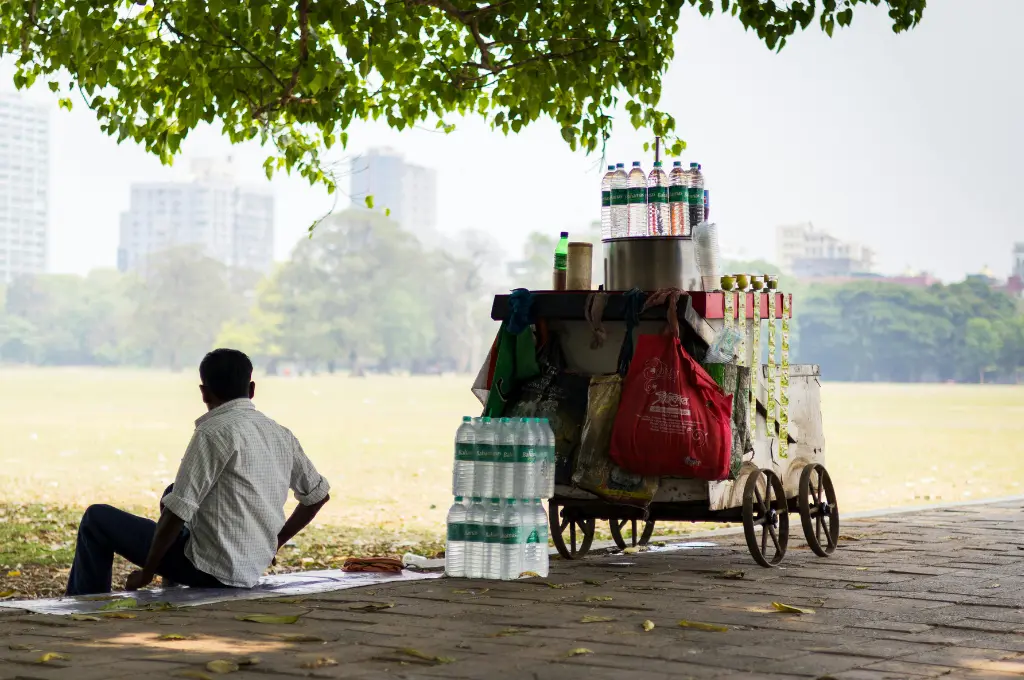
Taking breaks to cope with heat often means sacrificing wages, forcing difficult trade-offs between health and livelihood, forcing workers to prioritise earnings over health. This is especially visible among street vendors, who spend long hours exposed to direct sunlight and high temperatures. In Dimapur, Nagaland, over 60 percent of women street vendors selling vegetables reported that produce which earlier lasted two to three days now spoils within a day due to heat stress, directly affecting their earnings.
For many workers, these trade-offs are constant. For instance, Nagabushan, a mobility-challenged person who runs a Xerox and stationery shop in Davanagere, Karnataka, was forced to shut his shop on summer afternoons, losing 1.5 to 2 hours of work a day. For cab drivers, even basic cooling comes at a cost—running the air conditioner increases fuel consumption, forcing drivers to choose between comfort and daily earnings. Over time, prolonged exposure to heat leads to chronic fatigue, cardiovascular issues, and other heat-related illnesses, sometimes forcing early retirement or downskilling, which further reduces income.
3. Women
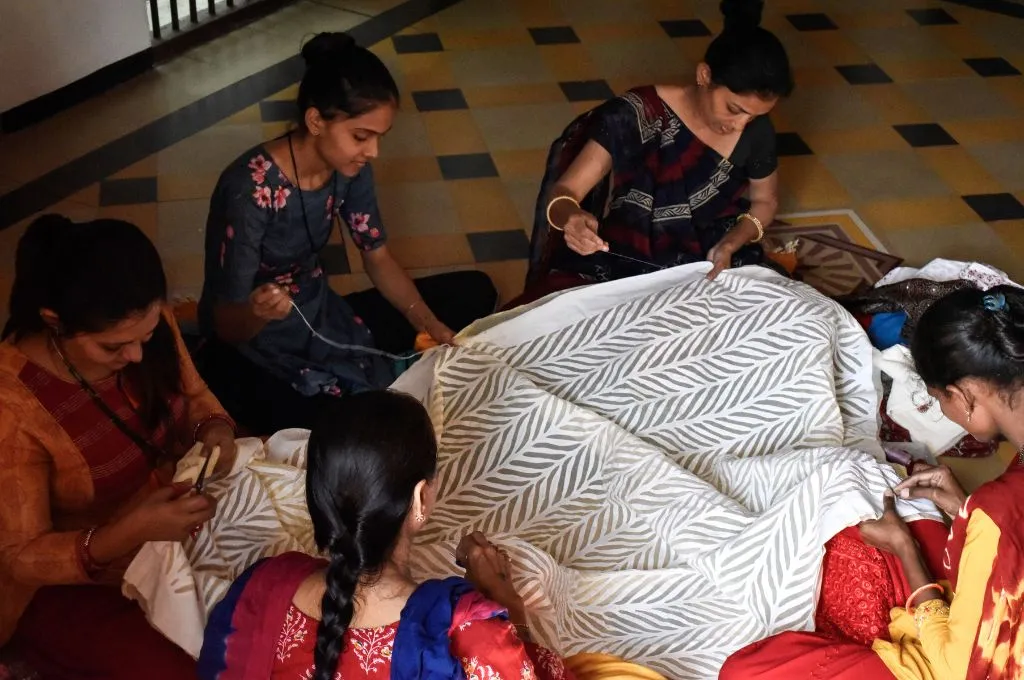
Women in low-income and informal settlements face layered and often less visible vulnerabilities during heatwaves. Women frequently carry the dual burden of paid work in precarious conditions and unpaid caregiving responsibilities, both of which intensify in extreme heat.
Indoor environments offer little respite. Poor ventilation within homes worsens conditions, particularly for women who are engaged in home-based income-generating work such as tailoring, cooking, stone-pasting, beadwork, and small packaging. In Ahmedabad, for instance, Sheelaben, a stone-pasting worker who operates from an asbestos-roofed room reported that extreme heat forces her to work late into the night, when temperatures are cooler.
For women in field-based roles, exposure persists outside the home. Limited access to sanitation and rest facilities during long working hours increases vulnerability to heat-related illnesses, including urinary tract infections (UTIs). A study across Delhi, Mumbai, and Bengaluru among women field staff in the social sector also found frequent UTIs and allergy flare-ups during peak summer months.
These overlapping conditions contribute to persistent fatigue and reduced ability to sustain livelihoods. Women in their mid 30s and early 40s across similar occupations have reported exhaustion and an inability to improve their economic conditions. Some, especially those in the blacksmith community, have also linked extreme heat to worsening menstrual health, including more intense cramps and discomfort.
Heat exposure also has serious implications for maternal and child health. Studies indicate higher risks of stillbirths, congenital anomalies, and gestational complications during heatwaves.
How can Indian cities address urban heat?
As rising heat intensifies in Indian cities, responses need to combine better planning, stronger infrastructure, community action, and adequate funding across both short- and long-term strategies.
1. Strengthening governance and HAPs
Many HAPs continue to suffer from weak implementation, limited funding, and insufficient integration with local planning systems. Most plans do not have clearly identified financing mechanisms, relying instead on already stretched local governments, which often leads to heat action being deprioritised.
Strengthening HAPs requires dedicated financing through central and state budgets, including mechanisms such as the State Disaster Response Fund. It is equally important to embed legal frameworks that enable monitoring, accountability, and periodic review of implementation.
Only a few HAPs currently include vulnerability assessments or robust data systems. Improving data on heat-related mortality, economic losses, and exposure patterns is essential to design more targeted responses. Importantly, these systems must be grounded in local realities and include affected communities in both planning and evaluation.
2. Climate-resilient urban design and infrastructure
Cities must invest in both active and passive cooling solutions, particularly in informal settlements and for outdoor workers. Nature-based solutions such as urban greening, tree planting, parks, and wetland conservation can significantly reduce urban temperatures while improving air quality and water management. Blue-green infrastructure, including water bodies, bioswales, and permeable landscapes, can help regulate heat and manage flooding. In Chennai, for example, wetland restoration efforts have helped improve flood resilience while also strengthening local water quality and availability.
Public infrastructure such as tree-lined streets can provide immediate relief during heatwaves.
Building design also plays a critical role. Measures such as cool roofs, reflective coatings, improved insulation, and better ventilation can substantially reduce indoor temperatures. In Ahmedabad, for instance, community-led cool roof interventions have reduced indoor temperatures by up to 5°C while lowering energy costs for low-income households.
Urban planning and building codes must also prioritise heat resilience by increasing green cover, protecting water bodies, and integrating heat considerations into development approvals. In addition, public infrastructure such as shaded bus stops, drinking water stations, cooling shelters, and tree-lined streets can provide immediate relief during heatwaves.
3. Community-led and inclusive heat adaptation
Effective heat resilience depends on solutions that are grounded in the lived realities of affected communities. Interventions must respond to immediate survival needs while building long-term adaptive capacity.
Community-based organisations are critical for identifying local risks, co-designing solutions, and ensuring that interventions are context-specific and inclusive. In Dimapur, Nagaland, women street vendors are central to shaping local adaptation practices as rising temperatures affect both working conditions and livelihoods. As produce spoils faster due to heat stress, vendors have adopted collective strategies such as improving waste management practices and creating shared, cooler market spaces through local greening efforts. Civil society organisations support these adaptations and help bridge gaps in formal urban planning systems. Combining scientific data with community-generated knowledge can help better map heat exposure and prioritise areas for intervention.
Public-private-social partnerships are essential: Civil society organisations can support last-mile delivery and inclusion, while private sector innovation can help scale affordable cooling and housing solutions. Simultaneously, behavioural and awareness approaches, such as participatory tools and community engagement, can improve adoption of heat-resilient practices.
—
Know more
- Learn more about the need for climate action plans for India’s emerging cities.
- Read this article on how Indian states fare on climate action.