ಅಸ್ಸಾಂನ ಹಲವು ವರ್ಷಗಳ ಅತಿದೊಡ್ಡ ಪ್ರವಾಹಕ್ಕೆ ಹೊಸ ಪರಿಹಾರ ಕ್ರಮಗಳ ಅಗತ್ಯವಿದೆ
 ಅಸ್ಸಾಂ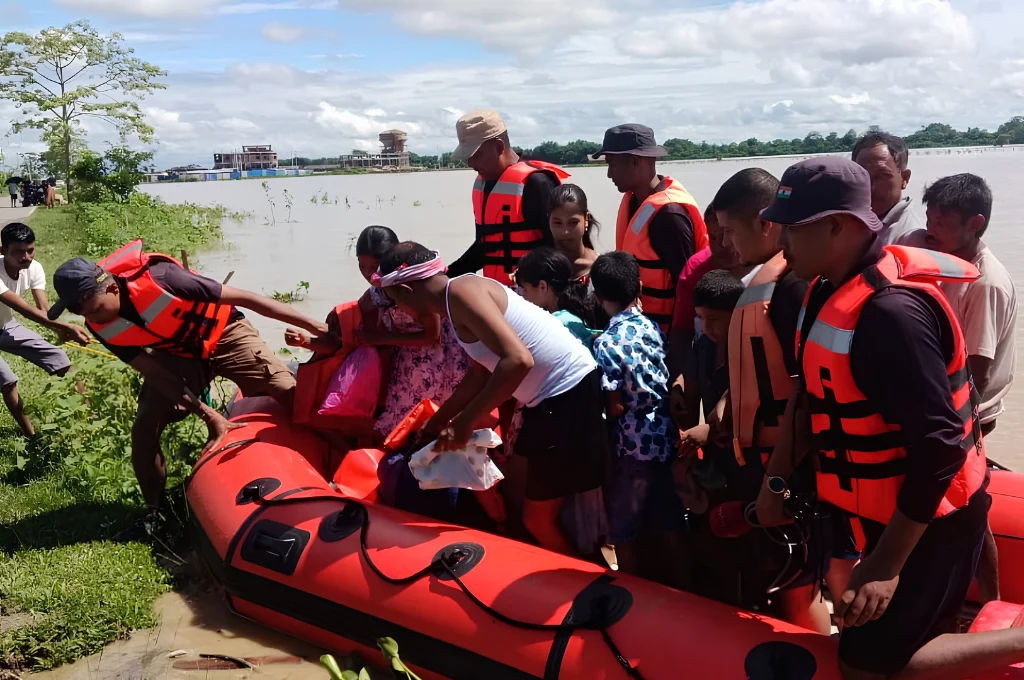
ಪ್ರತಿ ವರ್ಷದಂತೆ ಈ ಬಾರಿಯೂ ಅಸ್ಸಾಂನಲ್ಲಿ ಪ್ರವಾಹವು ಜನರ ಬದುಕನ್ನು ಅಸ್ತವ್ಯಸ್ತಗೊಳಿಸಿದೆ. ಆದರೆ ಜುಲೈ 2026ರ ಪ್ರವಾಹವು ಅಭೂತಪೂರ್ವವಾಗಿದೆ. ರಾಜ್ಯದ ಸಂಸದೀಯ ವ್ಯವಹಾರಗಳ ಸಚಿವ ಪಿಯೂಷ್ ಹಜಾರಿಕಾ ಅವರು ಹೇಳಿದಂತೆ, ಇದು ಕಳೆದ ಆರು ದಶಕಗಳಲ್ಲಿ ಸಂಭವಿಸಿದ ಅತಿದೊಡ್ಡ ಪ್ರವಾಹವಾಗಿದೆ, ಏಕೆಂದರೆ ಇದು ಶಿವಸಾಗರ, ಚರೈದೇವ್ ಮತ್ತು ಜೋರ್ಹಟ್ನಂತಹ ಈ ಹಿಂದೆ ಪ್ರವಾಹದ ಅನುಭವವೇ ಇಲ್ಲದ ಪ್ರದೇಶಗಳಿಗೆ ಅಪ್ಪಳಿಸಿದೆ.
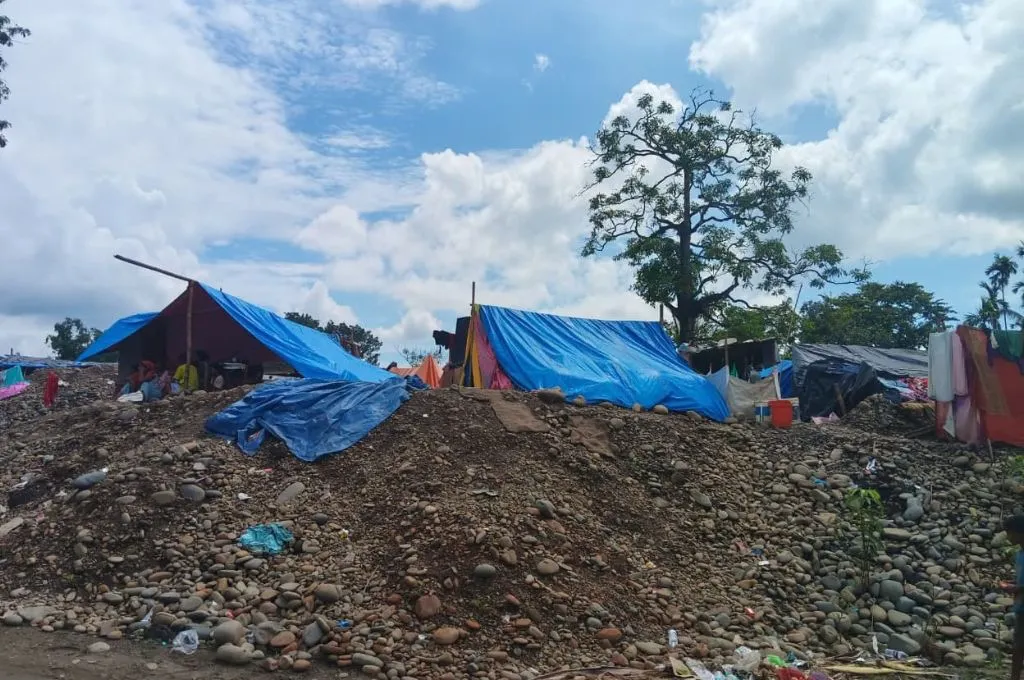
ಮೃತರ ಸಂಖ್ಯೆ ಏರುತ್ತಿದೆ ಮತ್ತು 6,00,000ಕ್ಕೂ ಹೆಚ್ಚು ಜನರು ಬಾಧಿತರಾಗಿದ್ದು, ಇದರಿಂದಾಗಿ ವ್ಯಾಪಕ ಪ್ರಮಾಣದಲ್ಲಿ ಜನರು ಸ್ಥಳಾಂತರಗೊಳ್ಳುವಂತಾಗಿದೆ.
ಅಸ್ಸಾಂನ ಚರೈದೇವ್ ಮತ್ತು ದಿಬ್ರುಗಢ್ನಂತಹ ಪ್ರವಾಹ ಪೀಡಿತ ಜಿಲ್ಲೆಗಳಲ್ಲಿ ಕಾರ್ಯನಿರ್ವಹಿಸುತ್ತಿರುವ ‘ಸುರುಜ್ಮುಖಿ’ ಎಂಬ ತಳಮಟ್ಟದ ಲಾಭರಹಿತ ಸಂಸ್ಥೆಯ ಸ್ಥಾಪಕರಾದ ಮೊನುಜ್ ದತ್ತಾ ಹೀಗೆ ಹೇಳುತ್ತಾರೆ: “ಈ ಪ್ರದೇಶಗಳ ಜನರು ಇಂತಹ ಭಾರಿ ಪ್ರಮಾಣದ ಪ್ರವಾಹವನ್ನು ಹಿಂದೆಂದೂ ಕಂಡಿರಲಿಲ್ಲ, ಹಾಗಾಗಿ ಅವರು ಸಂಪೂರ್ಣವಾಗಿ ಅನಿರೀಕ್ಷಿತ ಪರಿಸ್ಥಿತಿಗೆ ಸಿಲುಕಿಕೊಂಡರು. ಪ್ರವಾಹ ಪೀಡಿತ ಪ್ರದೇಶಗಳಲ್ಲಿ ಜನರು ಸಾಮಾನ್ಯವಾಗಿ ಎತ್ತರದ ಕಂಬಗಳ ಮೇಲೆ ಮನೆಗಳನ್ನು ನಿರ್ಮಿಸಿಕೊಂಡಿರುತ್ತಾರೆ, ತಮ್ಮದೇ ಆದ ದೋಣಿಗಳನ್ನು ಹೊಂದಿರುತ್ತಾರೆ ಮತ್ತು ಪದೇ ಪದೇ ಸಂಭವಿಸುವ ಈ ವಿಪತ್ತಿಗೆ ಅನುಗುಣವಾಗಿಯೇ ತಮ್ಮ ಜೀವನವನ್ನು ರೂಪಿಸಿಕೊಂಡಿರುತ್ತಾರೆ. ಆದರೆ, ಇಲ್ಲಿನ ಪರಿಸ್ಥಿತಿ ಹಾಗಿಲ್ಲ.”
ಈ ಪ್ರದೇಶಗಳಿಗೆ ನೀರು ತಲುಪಿದ ವೇಗವೂ ಆತಂಕಕಾರಿಯಾಗಿತ್ತು. ಮನುಜ್ ಹೇಳುತ್ತಾರೆ, “ಶಿವಸಾಗರ್ ಜಿಲ್ಲೆಯ ಬಿಹುಬೋರ್ ಪ್ರದೇಶದಲ್ಲಿ, ಜನರು ಪ್ರತಿಕ್ರಿಯಿಸಲು ಕೇವಲ 30 ನಿಮಿಷಗಳಿಂದ ಒಂದು ಗಂಟೆಯಷ್ಟು ಸಮಯವಷ್ಟೇ ಸಿಕ್ಕಿತ್ತು. ಅವರು ತಮ್ಮ ದಾಖಲೆಗಳು, ಪುಸ್ತಕಗಳು ಮತ್ತು ಮನೆಗಳ ಮೇಲ್ಛಾವಣಿಗಳನ್ನೂ ಕಳೆದುಕೊಂಡರು.”
ಅನೇಕ ಪ್ರದೇಶಗಳಲ್ಲಿ ಮನೆಗಳು ದಿನಗಟ್ಟಲೆ ನೀರಿನಲ್ಲಿ ಮುಳುಗಿದ್ದವು. ಮಣ್ಣಿನ ಮನೆಗಳು ಸಂಪೂರ್ಣವಾಗಿ ನಾಶವಾಗಿವೆ. ಕೃಷಿ ಸಮುದಾಯಗಳು ತಮ್ಮ ಭೂಮಿಗೆ ಸಂಬಂಧಿಸಿದ ದೀರ್ಘಕಾಲೀನ ಹಾನಿಯನ್ನು ಎದುರಿಸುತ್ತಿವೆ. ಮನೋಜ್ ಹೀಗೆ ಹೇಳುತ್ತಾರೆ: “ಜೀವನೋಪಾಯ ಚಟುವಟಿಕೆಗಳಿಗಾಗಿ ನಮಗೆ CSR ಪ್ರತಿಷ್ಠಾನಗಳಿಂದ ಯೋಜನೆ-ಆಧಾರಿತ ಧನಸಹಾಯ ಲಭ್ಯವಿದೆ. ಆದರೆ ಈಗ ಸಮುದಾಯಗಳ ಅಗತ್ಯಗಳು ಬದಲಾಗಿವೆ. ಮಕ್ಕಳು ತಮ್ಮ ಪುಸ್ತಕಗಳು ಮತ್ತು ಶೈಕ್ಷಣಿಕ ಸಾಮಗ್ರಿಗಳನ್ನು ಕಳೆದುಕೊಂಡಿದ್ದಾರೆ; ಅವರಿಗೆ ನಾವು ‘ವಿದ್ಯಾರ್ಥಿ ಕಿಟ್’ಗಳನ್ನು ನೀಡಲು ಬಯಸುತ್ತೇವೆ. ಆತಂಕ ಮತ್ತು ಭಯದ ಸ್ಥಿತಿಯಲ್ಲಿರುವ ಜನರ ಮಾನಸಿಕ ಆರೋಗ್ಯದ ಸುಧಾರಣೆಗಾಗಿ ನಾವು ಹೂಡಿಕೆ ಮಾಡಲು ಬಯಸುತ್ತೇವೆ. ಇದಕ್ಕಾಗಿ ನಮಗೆ ಇತರ ಮೂಲಗಳಿಂದ ಹಣದ ಅಗತ್ಯವಿರುತ್ತದೆ.”
(ಅಸ್ಸಾಂನ ಜೀವನೋಪಾಯಕ್ಕೆ ಸಂಬಂಧಿಸಿದ ಲಾಭರಹಿತ ಸಂಸ್ಥೆಯಾದ) SeSTA ದಲ್ಲಿ ನಿಧಿ ಸಂಗ್ರಹಣೆ, ಸಂವಹನ ಮತ್ತು ಪಾಲುದಾರಿಕೆ ವಿಭಾಗದ ಮುಖ್ಯಸ್ಥರಾದ ಪ್ರೀತಿಶಾ ಸಿಂಗ್ ಹೀಗೆ ಹೇಳುತ್ತಾರೆ: “ನಾವು ಮಾತುಕತೆ ನಡೆಸಿದ ನಿಧಿ ಪೂರೈಕೆದಾರರು ದೀರ್ಘಕಾಲೀನ ಪುನರ್ವಸತಿಯತ್ತ ಗಮನಹರಿಸುವಂತೆ ಒತ್ತಾಯಿಸುತ್ತಿದ್ದಾರೆ; ಏಕೆಂದರೆ, ಅಲ್ಪಾವಧಿಯ ಪರಿಹಾರ ಕಾರ್ಯಗಳು ಅಗತ್ಯವಿದ್ದರೂ, ಅವು ಪ್ರವಾಹದ ಪರಿಣಾಮವನ್ನು ಸಂಪೂರ್ಣವಾಗಿ ನಿವಾರಿಸಲು ಸಾಧ್ಯವಿಲ್ಲ. ಅನೇಕ ಕುಟುಂಬಗಳು ಆದಾಯ ತರುವ ಸದಸ್ಯರನ್ನು ಕಳೆದುಕೊಂಡಿವೆ; ಹೀಗಾಗಿ, ದೀರ್ಘಾವಧಿಯಲ್ಲಿ ಅವರಿಗೆ ಕೇವಲ ಪರಿಹಾರ ಪ್ಯಾಕೇಜ್ಗಳಿಗಿಂತ ಹೆಚ್ಚಿನ ನೆರವಿನ ಅಗತ್ಯವಿರುತ್ತದೆ.”
ಅವರು ಹೀಗೆ ಹೇಳುತ್ತಾರೆ: “ಇಂತಹ ವಿಪತ್ತುಗಳು ಜಲಾವೃತವಾದ ರಸ್ತೆಗಳಲ್ಲಿ ಸಂಚರಿಸಬೇಕಾದ ಪರಿಹಾರ ಕಾರ್ಯಕರ್ತರ ಮೇಲೂ ಭಾರೀ ಒತ್ತಡವನ್ನು ಹೇರುತ್ತವೆ. ಈಗ ಹಳ್ಳ-ಕೊಳ್ಳಗಳು ಮತ್ತು ರಸ್ತೆಗಳ ನಡುವಿನ ವ್ಯತ್ಯಾಸವನ್ನು ಗುರುತಿಸುವುದೇ ಕಷ್ಟವಾಗಿದೆ. ಮುಖ್ಯ ರಸ್ತೆಗಳಿಗೆ ಹತ್ತಿರವಿರುವ ಮನೆಗಳಿಗೆ ಪರಿಹಾರ ಸಾಮಗ್ರಿಗಳನ್ನು ತಲುಪಿಸುವುದು ಸುಲಭವಾಗಿದೆ. ಆದರೆ, ದೂರದ ಪ್ರದೇಶಗಳನ್ನು ತಲುಪಲು ಅರ್ಧ ದಿನವೇ ಬೇಕಾಗುತ್ತದೆ. ಒಂದು ವೇಳೆ ಮುಂಚೂಣಿಯಲ್ಲಿರುವವರು ಮತ್ತು ಪರಿಹಾರ ಕಾರ್ಯಕರ್ತರು ಹೆಚ್ಚಿನ ಸಾಮಗ್ರಿ ಅಥವಾ ಉಪಕರಣಗಳನ್ನು ತರಲು ವಾಪಸ್ ಹೋಗಿ ಮತ್ತೆ ಬರಬೇಕಾದರೆ, ಈ ವಿಳಂಬ ಇನ್ನೂ ಹೆಚ್ಚಾಗುತ್ತದೆ.”
ನೀರು ಇಳಿಯುತ್ತಿದ್ದಂತೆ, ಪರಿಹಾರ ಪ್ಯಾಕೇಜ್ಗಳು ಜನರ ಬದಲಾಗುತ್ತಿರುವ ಅಗತ್ಯಗಳನ್ನು ಪರಿಗಣಿಸಬೇಕಾಗಿದೆ.
ಅಭಿಜಿತ್ ಕುನ್ವರ್,* ಒಬ್ಬ ಅಭಿವೃದ್ಧಿ ಕಾರ್ಯಕರ್ತ, ಹೀಗೆ ಹೇಳುತ್ತಾರೆ, “ಜನರಿಗೆ ಸ್ವಚ್ಛತೆಗಾಗಿ ಫಿನೈಲ್ ಮತ್ತು ಬ್ಲೀಚಿಂಗ್ ಪೌಡರ್ ಹಾಗೂ ಸೊಳ್ಳೆಗಳ ಹಾವಳಿಯಿಂದ ರಕ್ಷಿಸಿಕೊಳ್ಳಲು ಸೊಳ್ಳೆ ಪರದೆಗಳ ಅಗತ್ಯವಿದೆ. ಆದಾಗ್ಯೂ, ಅನೇಕ ಪರಿಹಾರ ಕಾರ್ಯಗಳು ಕೇವಲ ಅಕ್ಕಿ ಮತ್ತು ಬೇಳೆಕಾಳುಗಳನ್ನು ವಿತರಿಸುವುದರ ಮೇಲೆ ಅತಿಯಾಗಿ ಗಮನಹರಿಸುತ್ತಿವೆ.”
*ಗೌಪ್ಯತೆಯನ್ನು ಕಾಪಾಡಲು ಹೆಸರನ್ನು ಬದಲಾಯಿಸಲಾಗಿದೆ.
ಈ ಲೇಖನವನ್ನು Shabd AI ಅನುವಾದಿಸಿ ಪರಿಶೀಲಿಸಿದೆ.
—
ಇನ್ನಷ್ಟು ತಿಳಿಯಿರಿ: ಅಸ್ಸಾಂನ ಪ್ರವಾಹವು ಸಮುದಾಯಗಳ ಮೇಲೆ ಅನಿರೀಕ್ಷಿತ ರೀತಿಯಲ್ಲಿ ಹೇಗೆ ಪರಿಣಾಮ ಬೀರುತ್ತದೆ ಎಂಬುದನ್ನು ತಿಳಿಯಿರಿ.
ಸಹಾಯ ಮಾಡಿ: ಪರಿಹಾರ ಕಾರ್ಯಕ್ಕಾಗಿ ದೇಣಿಗೆ ಅಭಿಯಾನಗಳನ್ನು ನಡೆಸುತ್ತಿರುವ ಸಂಸ್ಥೆಗಳೊಂದಿಗೆ ಸಂಪರ್ಕ ಸಾಧಿಸಿ.